The Nigerian Presidency has asserted that the recent recognition extended to President Bola Tinubu by former United States President Donald Trump underscores a progressively deepening security partnership between Nigeria and the United States. This collaboration, according to the Presidency, has already produced substantial and measurable gains in the ongoing fight against terrorism across the West African nation and the broader Sahel region.
Daniel Bwala, the Special Adviser to the President on Policy Communication, elucidated this stance during an appearance on Channels Television’s "Politics Today." Bwala stated that the letter from former President Trump was far more than a mere diplomatic nicety; it served as a significant acknowledgement of the tangible progress achieved through robust intelligence sharing, coordinated joint military operations, and extensive capacity-building initiatives between the two sovereign nations. This recognition, he emphasized, validates the strategic importance of the alliance in confronting shared security threats.
The Significance of International Recognition
Speaking extensively on the matter, Bwala highlighted that the commendation from the former US President specifically acknowledged the concrete results stemming from an increasingly potent security collaboration. He underscored the strategic depth of this partnership, citing a pivotal success: the elimination of the global second-in-command of ISIS within Nigerian territory, an achievement directly attributed to joint operational efforts. "It is the recognition of the result of a collaboration that has assumed a very deeper and commendable level," Bwala remarked. "The second-in-command in ISIS globally was eliminated in Nigeria because of the joint operation. We eliminated and stopped their attacks because of the joint operation. We have deepened the collaboration to a point where we share intelligence, we have local training, and then you have the strike."
This level of cooperation, Bwala continued, "typifies, exemplifies, and explains the progress we have made so far with the United States." He further noted that Nigeria is actively cultivating similar strategic relationships with other international partners to broaden its security architecture and capabilities. The presidential aide firmly reiterated the government’s unwavering focus on enhancing the welfare and security of Nigerian citizens, rather than engaging in perpetual responses to political criticisms from opposition quarters. "Nigerian people tonight want to know what is happening with their economy, with their education, and most importantly with security. And we have made substantial progress," he affirmed, pointing to the government’s commitment to tangible outcomes.
Assessing Security Performance Amidst Persistent Challenges
When confronted with questions regarding how Nigerians should objectively assess the government’s security performance, especially in light of persistent attacks and insurgent activities in various parts of the country, Bwala maintained a resolute stance. He argued that the successes recorded by the Nigerian military, coupled with the growing international recognition of Nigeria’s counter-terrorism efforts, serve as objective and undeniable indicators of significant improvement. "The metric is the progress we are making, which is resulting in the report you are hearing, including the present report that the President of the United States lauded Nigerian government for this deeper collaboration and the progress it’s making," he asserted.
Bwala acknowledged that insecurity remains a pervasive global challenge, but he emphasized that Nigeria, through sustained and aggressive military offensives, has managed to significantly weaken terrorist groups operating within its borders. "We have repelled, we have reduced their attack, we have gone on the offensive," he stated, adding that the administration aims to convey a message of hope and progress to citizens, particularly those in rural areas, rather than succumbing to "doomsday conversation that nothing is happening." This narrative, he stressed, is crucial for public morale and national resilience.
Clarifying the US Special Forces Presence
Addressing earlier reports concerning the purported withdrawal of some United States Special Forces from Nigeria, Bwala offered a clear explanation designed to allay concerns and clarify the nature of the ongoing military cooperation. He explained that the specific detachment of US Special Forces in question had been deployed for a particular assignment, which they successfully completed, leading to their planned redeployment. He strongly refuted any implication that this signified a cessation or reduction in broader military cooperation.
"The Special Forces that were withdrawn were Special Forces that came for a specific purpose, and they completed," Bwala clarified. He assured the public that, as of the present moment, American soldiers remain on Nigerian soil, actively engaged in critical training and retraining exercises with Nigerian personnel. While operational details regarding the nature of this training could not be publicly disclosed due to security imperatives, he emphasized the continuity of intelligence sharing, military training, and other collaborative areas with the United States. Bwala also firmly dismissed any concerns that the security partnership might undermine Nigeria’s sovereignty, explaining that all foreign military engagements are strictly predicated on mutual agreements forged between two sovereign nations. "We have American boots on the ground… It’s for training. They are not involved in active fight with people. Those ones that came for the operation was an agreement between the two governments," he affirmed, highlighting the consensual and respectful nature of the alliance.
The Sahel: A Global Epicenter of Terrorism
Bwala further contextualized Nigeria’s security challenges within the grim reality of the Sahel region, which he described as having tragically emerged as the global epicenter of terrorism. He cited alarming statistics, noting that the Sahel now accounts for a staggering 51 percent of all global terrorism-related deaths. Given Nigeria’s proximity and porous borders with this volatile region, he underscored the indispensable nature of international cooperation. "The Sahel has now been adjudged as the ground zero for global terrorism. It accounts for 51 per cent of the global terrorism-related deaths, and this is right on our border," Bwala emphasized. He argued that those with an understanding of intelligence and warfare would recognize the significant progress Nigeria is making, positing that without such advancements against ISIS and other groups in the region, Nigeria would have undoubtedly been "overrun."
This stark assessment highlights the existential threat posed by regional instability and the critical role played by international partnerships in bolstering Nigeria’s defensive and offensive capabilities. The transnational nature of these terrorist organizations necessitates a collaborative approach that transcends national borders, pooling resources and intelligence to effectively counter their expansive networks.
Tinubu Administration’s Internal Security Reinforcements
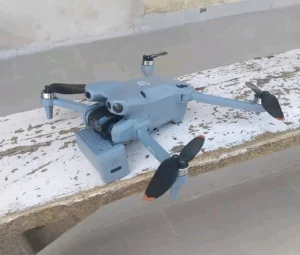
Beyond international partnerships, Bwala also detailed several proactive internal measures being implemented by the Tinubu administration to bolster national security. He disclosed that the government has formally approved the recruitment of a substantial number of additional security personnel across various agencies. This initiative aims to address existing manpower deficits, enhance force projection, and ensure a more robust presence in conflict-affected areas. Concurrently, the administration is making significant investments in cutting-edge surveillance technology, including advanced drone systems. These technological acquisitions are designed to dramatically strengthen intelligence gathering capabilities, improve situational awareness, and provide a critical edge in combating insurgency and banditry through precision operations.
Regarding the government’s approach to repentant terrorists, Bwala clarified that individuals who surrender undergo an extensive and rigorous profiling process. This process, he explained, is meticulously conducted in strict adherence to international conventions and best practices before any decisions are made concerning their future. "The profiling assists the Nigerian government to a large extent in collecting further intelligence on them, in knowing their modus operandi, and as well as in planning to attack them," he stated. He added that a significant number of individuals processed under this program are often victims of forced recruitment into terrorist groups, rather than hardened fighters, emphasizing the importance of distinguishing between these categories for effective rehabilitation and intelligence gathering.
Broader Implications and Future Outlook
The Presidency’s pronouncements regarding the deepening US-Nigeria security partnership carry significant implications for Nigeria’s internal stability, regional influence, and international standing. The explicit recognition from a prominent global figure like former President Trump, even outside official capacity, lends a certain gravitas to Nigeria’s counter-terrorism narrative, potentially bolstering investor confidence and diplomatic engagement.
Historically, Nigeria and the United States have maintained a complex but generally strong security relationship, particularly in the wake of the 9/11 attacks and the subsequent rise of Boko Haram. The US has provided substantial assistance, including training for Nigerian military personnel, equipment sales (such as the A-29 Super Tucano aircraft), and intelligence support, primarily through programs like the Trans-Sahara Counterterrorism Partnership (TSCTP). This collaboration has been instrumental in enhancing Nigeria’s capacity to conduct counter-insurgency operations, improve border security, and address maritime threats in the Gulf of Guinea.
Under President Tinubu, who inherited a multi-faceted security crisis encompassing not just Islamist insurgencies but also widespread banditry, kidnapping, and ethno-religious conflicts, the emphasis on strengthening these international ties has become even more pronounced. His administration’s "Renewed Hope" agenda places a high premium on restoring peace and security as a prerequisite for economic growth and national development. The strategy appears to blend robust military action, intelligence-led operations, and diplomatic engagement to isolate and degrade terrorist networks.
However, the path ahead remains fraught with challenges. Despite the claimed successes, persistent attacks underscore the resilience of various non-state armed groups. Critics often point to the need for greater transparency, accountability, and adherence to human rights in counter-terrorism operations to build public trust and prevent radicalization. The effectiveness of programs for repentant terrorists also remains a subject of public debate, requiring consistent monitoring and evaluation.
The ongoing nature of US military training and intelligence sharing, as affirmed by Bwala, signifies a sustained commitment from Washington to support Nigeria’s security efforts. This partnership is not merely transactional; it reflects a shared strategic interest in stabilizing a critical region grappling with extremism, climate change-induced conflicts, and governance challenges. By diversifying its strategic security partnerships, as indicated by Bwala, Nigeria aims to create a robust and resilient security architecture capable of addressing its complex internal and external threats, thereby securing its future and contributing to regional stability.