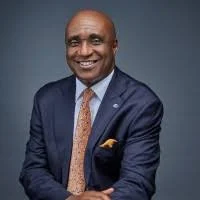
The ongoing theological debate surrounding Christian tithing has gained fresh momentum following recent remarks by Pastor David Ibiyeomie, the founder and senior pastor of Salvation Ministries. During a heavily attended pre-Christmas sermon that has since circulated widely across digital media platforms, the prominent Nigerian cleric issued a stern warning to his congregation and the wider Christian community. According to Pastor Ibiyeomie, believers who fail to remit their mandatory ten percent tithes expose themselves to avoidable calamities, arguing that many hardships mistakenly attributed to demonic spiritual attacks are, in fact, the direct consequence of failing to fulfill this specific financial obligation to the church.
The video footage, which captured significant public attention over the weekend, featured the cleric emphasizing fiscal discipline ahead of the high-spending Christmas festive season. In his address, Pastor Ibiyeomie urged worshippers to prioritize their religious financial commitments above seasonal consumerism, explicitly cautioning against purchasing holiday garments before settling tithes. The remarks have reignited a polarized discourse concerning the theological validity, scriptural interpretation, and practical socio-economic implications of tithing within contemporary Pentecostal Christianity, particularly in developing economies where faith-based financial practices intersect heavily with daily household budgeting.
The Core Message: Prioritizing Tithes Over Holiday Expenses
Addressing his congregation in a sermon tailored toward spiritual preparedness and financial stewardship for the end-of-year period, Pastor Ibiyeomie maintained that the observance of tithing is non-negotiable under Christian doctrine. He cautioned believers against treating the practice casually or engaging in arbitrary giving based on personal convenience.
"Don’t buy a Christmas cloth when you have not paid tithe. It’s dangerous. It’s very dangerous," the cleric stated in the viral broadcast. He further criticized what he perceived as lax attitudes among modern believers, noting that many Christians fail to calculate the correct percentage required or treat the religious duty as an optional contribution rather than a strict commandment. "Many of you are Christians, but don’t pay the correct tithe. You pay as you like. It’s not pay as you go. Pay correct tithe," he added.
The urgency of his warning extended beyond personal finances to domestic security and family welfare during the holiday season. The pastor explicitly linked the failure to pay tithes to potential domestic emergencies, suggesting that neglecting the practice could invite severe repercussions affecting children and family stability. "I’m telling you this December, don’t tamper with your tithe. Otherwise, they may rush your children," he cautioned.
Anecdotal Evidence and Incidents of Unexplained Mishaps
To substantiate his warnings, Pastor Ibiyeomie relied on personal anecdotes, recounting specific vehicular incidents involving sudden tire bursts that he personally experienced and subsequently attributed to the tithing habits of the drivers involved.
In one instance, the cleric described a journey during which two tires of a vehicle conveying him suddenly burst. Rather than attributing the mechanical failure to road conditions, tire degradation, or manufacturing defects, Pastor Ibiyeomie claimed he immediately deduced a spiritual cause rooted in financial negligence. "I said to the driver of the passenger, I said, you don’t pay tithe," he recalled telling the driver.
In a separate, high-profile incident involving his personal transportation, the pastor narrated an experience while traveling with his wife in a Rolls-Royce assigned to him. During the transit, two tires of the luxury vehicle reportedly suffered simultaneous blowouts. According to the cleric, an immediate internal inquiry into the driver’s financial compliance with church protocols revealed a corroborating conclusion. "I said, go and check his record. Truth was not a tither," he stated.
These recurring personal observations formed the basis of his broader theological assertion: that believers frequently misdiagnose the root causes of everyday accidents and misfortunes. By asserting that "not everything is the devil," Pastor Ibiyeomie challenged the prevailing charismatic tendency to blame external spiritual forces for adversities, redirecting accountability toward personal obedience to scriptural financial laws.
Background and Context of Tithing in Nigerian Pentecostalism
The practice of tithing—giving ten percent of one’s income to the church—has long occupied a central, albeit contentious, pillar of Pentecostal and charismatic theology in Nigeria and across the global Christian landscape. Rooted primarily in Old Testament scriptures such as Malachi 3:8–10, which speaks of opening the windows of heaven and rebuking the devourer for those who bring the full tithe into the storehouse, the doctrine is championed by numerous mega-church leaders as a covenantal gateway to divine protection and financial prosperity.
However, the practice has simultaneously faced rigorous critique from theologians, secular economists, and civil society actors. Critics frequently argue that New Testament theology supersedes strict adherence to Mosaic law regarding tithing, emphasizing voluntary, cheerful, and need-based giving rather than a legalistic percentage requirement. Furthermore, in an era marked by severe economic inflation, high unemployment, and shrinking purchasing power across Nigeria, demands for mandatory tithing—especially ahead of expensive periods like Christmas—often spark fierce debates regarding the socio-economic burdens placed on vulnerable congregants.
Proponents of the doctrine, including Pastor Ibiyeomie and other prominent Nigerian clergymen such as Pastor Enoch Adeboye of the Redeemed Christian Church of God and Bishop David Oyedepo of Living Faith Church Worldwide, maintain that tithing is an unchanging divine principle. They argue that financial compliance secures supernatural insurance against losses, medical emergencies, and unexpected expenditures that could otherwise drain a family’s resources far beyond the cost of the tithe itself.
Socio-Economic Implications and Public Reactions
The public reaction to Pastor Ibiyeomie’s remarks has exposed deep ideological divides within the Nigerian public sphere. On social media platforms and theological forums, responses ranged from staunch support among faithful adherents to sharp criticism from skeptics and secular commentators.
Supporters of the cleric defended the message as a necessary spiritual reminder designed to keep believers aligned with divine principles, arguing that faith requires practical obedience even during economically constrained periods. For these believers, the pastor’s warnings are viewed as pastoral care aimed at shielding congregants from self-inflicted spiritual and material vulnerabilities.
Conversely, detractors expressed concern over the psychological and financial pressure placed on ordinary citizens, particularly during a festive season already characterized by exorbitant costs of living, transportation hikes, and food inflation. Critics argue that attributing mechanical failures, such as tire bursts, to unpaid tithes promotes superstition and shifts accountability away from essential maintenance checks, vehicular safety standards, and infrastructural deficits on Nigerian roads.
Economists and consumer advocates have also weighed in on the broader implications of faith-based financial exhortations during periods of economic hardship. While religious institutions argue that giving fosters resilience and community support, external observers note that diverting scarce disposable income toward religious obligations can sometimes exacerbate household debt and reduce spending on critical needs such as healthcare, education, and nutrition.
Broader Theological and Cultural Impact
Pastor Ibiyeomie’s intervention adds to a long line of high-profile pulpit declarations addressing wealth, poverty, and divine retribution within the Nigerian religious ecosystem. Salvation Ministries, headquartered in Port Harcourt, Rivers State, remains one of the fastest-growing and most influential Christian denominations in West Africa, boasting millions of followers globally who closely follow the moral and financial directives of its founder.
As the Christmas season progresses, the discourse generated by the viral video highlights the enduring power of religious authority in shaping consumer behavior, risk assessment, and lifestyle choices among millions of citizens. Whether viewed as an essential call to spiritual fidelity or a controversial mixing of sacred doctrine with everyday mechanics, the debate underscores the complex interplay between faith, finance, and daily survival in contemporary society.