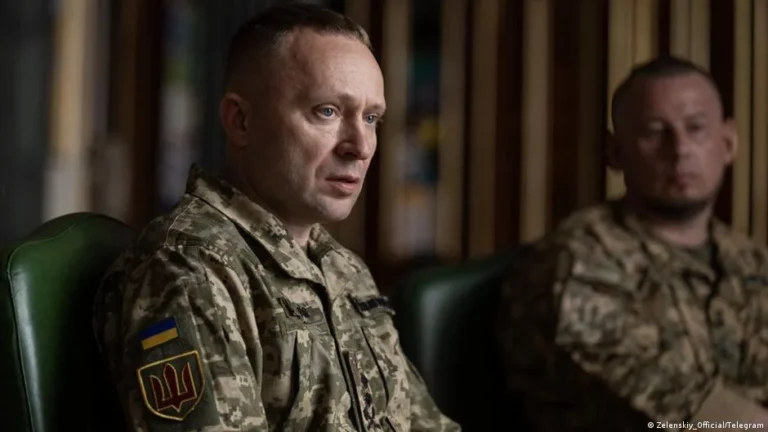
On Tuesday, July 21, in a move that signals a significant shift in Ukraine’s wartime leadership, President Volodymyr Zelenskyy officially appointed Major General Mykhailo Drapatyi as the new Commander-in-Chief of the Armed Forces of Ukraine. This pivotal decision places a highly decorated and battle-hardened frontline commander at the helm of the nation’s military operations, with President Zelenskyy tasking him with the crucial responsibility of developing a modern defense strategy and continuing the recently initiated military reforms. The appointment comes in the wake of an unexpected and highly scrutinized cabinet reshuffle that has reverberated through Ukraine’s political and military establishments, sparking considerable public debate and raising questions about the stability of wartime governance.
Unpacking the Cabinet Reshuffle and Its Precursors
The appointment of Drapatyi is the culmination of a broader, dramatic cabinet reshuffle that began the previous week. While many ministers retained their positions under the newly appointed Prime Minister Sergii Koretskyi, the most prominent and controversial departure was that of former Defense Minister Mykhailo Fedorov. Fedorov’s dismissal sent shockwaves through the country, particularly given his public profile and his efforts to introduce significant changes within the defense establishment. The official narrative surrounding his departure pointed to a major and irreconcilable disagreement with the then-Commander-in-Chief, Oleksandr Syrskyi, regarding the strategic direction of Ukraine’s ongoing war effort against Russia.
The friction between Fedorov and Syrskyi reportedly centered on fundamental questions of military strategy, resource allocation, and the pace of modernization. Fedorov, often perceived as a reformist and proponent of technological innovation in warfare, advocated for agile, decentralized decision-making and a greater emphasis on advanced drone capabilities and cyber warfare. He reportedly sought to streamline procurement processes, reduce bureaucratic hurdles, and foster a culture of innovation that could more rapidly adapt to the evolving demands of modern combat. Syrskyi, on the other hand, was seen by some as representing a more traditional military doctrine, prioritizing conventional large-scale operations and established command structures. Sources close to the military command suggested that their disagreements extended to troop deployment strategies, the scale of counter-offensive operations, and the overall balance between defensive fortifications and offensive maneuvers. This strategic divergence, amplified by the immense pressures of war, ultimately proved insurmountable, leading to a profound rift at the highest echelons of Ukraine’s defense leadership.
Public Outcry and the Power of Civil Society
The firing of Mykhailo Fedorov, a minister who had garnered considerable popularity for his perceived commitment to reform and transparency, ignited widespread outrage among segments of the Ukrainian population. The dismissal prompted mass protests across major cities, with demonstrators vehemently demanding not only Fedorov’s immediate reinstatement but also the dismissal of Commander-in-Chief Oleksandr Syrskyi. The protests underscored the vital role of civil society in wartime Ukraine, where formal elections are suspended, but public opinion retains significant influence as a democratic corrective. Citizens, through their demonstrations and social media campaigns, effectively voiced their discontent, highlighting a deep-seated desire for accountability and a preference for leaders perceived as innovative and responsive to the evolving realities of the conflict.
The public’s reaction to Fedorov’s removal was not merely an expression of support for an individual but also a reflection of broader frustrations with perceived bureaucratic inertia and a desire for faster, more effective reforms within the military. Many saw Fedorov as a symbol of positive change, working to dismantle entrenched practices and improve conditions for soldiers. The swift and decisive public response demonstrated that even in the midst of existential conflict, the Ukrainian people expect transparency, competence, and a leadership that genuinely prioritizes the welfare and effectiveness of its armed forces. While Fedorov will not be returning to his post, the intensity of the protests undoubtedly played a role in the subsequent decision to remove Syrskyi, illustrating the profound impact of grassroots activism on high-level government decisions.
Profiles of New Leadership – A Blend of Experience and Reformist Spirit
With the reshuffle, President Zelenskyy has sought to address the public outcry and recalibrate the nation’s defense strategy. In addition to Drapatyi’s appointment, Yevhen Khmara, previously the head of Ukraine’s Security Service (SBU), has been named the new Defense Minister. This combination of a frontline general as Commander-in-Chief and a security service veteran as Defense Minister signals a strategic intent to integrate battlefield experience with robust intelligence and internal security perspectives.
Mykhailo Drapatyi: The Battle-Hardened Reform Advocate
Mykhailo Drapatyi, born in 1982, is a figure who commands respect within the Ukrainian military. His career has been defined by his distinguished service as a battle-hardened frontline commander since 2014. A trained tank trooper, Drapatyi first gained prominence during the initial stages of the Donbas War, then referred to as an "anti-terror operation," where his resolve and tactical acumen were widely recognized.
Following Russia’s full-scale invasion in February 2022, Drapatyi’s leadership became even more critical. As deputy commander of the Ukrainian Joint Forces, he played an instrumental role in coordinating the successful defense of the strategically vital town of Kryvyi Rih. His command was also crucial in the liberation of significant territories in the south of the country, demonstrating his capability to manage complex operations under extreme pressure. His reputation as a "military crisis manager" was further solidified in 2024 when he effectively halted a major Russian offensive near Kharkiv, a testament to his strategic insight and ability to rally forces in critical moments. These successes propelled him through the ranks of the general staff, leading to his appointments as head of the ground forces of the Ukrainian army and, subsequently, Commander of the Joint Forces.
Crucially, Drapatyi distinguished himself not only through his military prowess but also through his integrity. On June 1, 2025, he offered his resignation as army commander after a devastating Russian missile strike on a training ground under his command resulted in the deaths of at least 12 soldiers and injuries to more than 60 others. On Facebook, he articulated his decision, citing a "personal sense of accountability for this tragedy." This act of moral responsibility, rare in high-stakes military leadership, earned Drapatyi a reputation for prioritizing principles over position. President Zelenskyy, however, did not accept the resignation, underscoring the trust placed in Drapatyi’s leadership.
Furthermore, Drapatyi was the only general who publicly defended Mykhailo Fedorov after his dismissal. In a Facebook post, he praised Fedorov’s six-month tenure at the defense ministry as "a serious attempt to change conditions in the military system that were in place for years." He elaborated that under Fedorov, the Defense Ministry had evolved into a "true partner for the army," fostering improved cooperation, a willingness to listen to commanders, quicker decision-making, and support for unit-level changes. This public endorsement of Fedorov’s reformist agenda, even at potential personal cost, positioned Drapatyi as a leader not only capable on the battlefield but also committed to necessary systemic transformations.
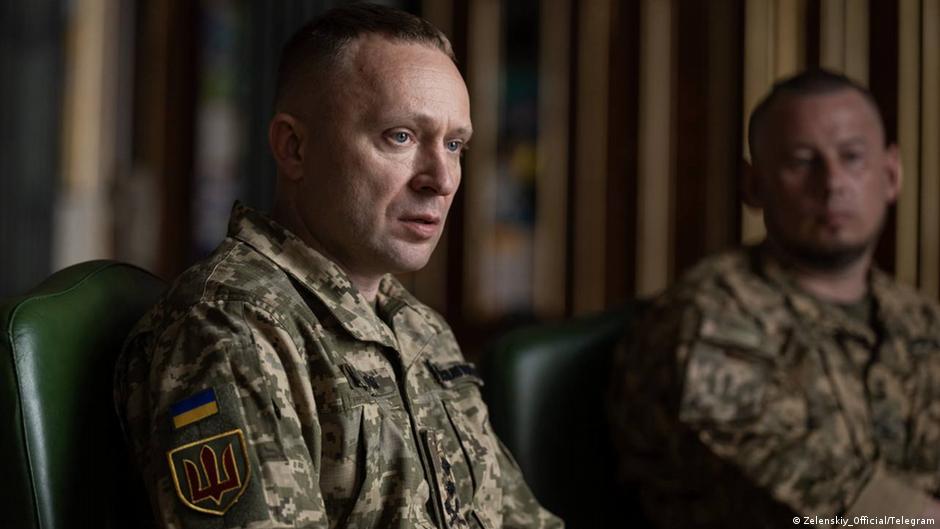
Speculation had previously surrounded Drapatyi’s career trajectory. When he was tasked with defending the Kharkiv region in autumn 2025, some observers suggested it was a deliberate move by then-Commander-in-Chief Syrskyi to restrict Drapatyi’s growing influence. Certain media outlets even posited that Syrskyi viewed the popular general as a potential rival, seeking to sideline him. This context adds another layer to Drapatyi’s current appointment, suggesting a recognition of his independent leadership and a potential desire to overcome past internal rivalries.
Yevhen Khmara: From Security Service to Defense Ministry
The appointment of Yevhen Khmara as Defense Minister brings a different, yet equally critical, set of experiences to the top defense echelon. Khmara’s background as the former head of Ukraine’s Security Service (SBU) implies a focus on intelligence integration, counter-intelligence, and internal security matters within the defense apparatus. His tenure at the SBU would have provided him with an intricate understanding of hybrid warfare, cyber threats, and the internal challenges posed by enemy infiltration and subversive activities. This expertise could be invaluable in shaping defense policy that not only addresses conventional military threats but also fortifies Ukraine against less overt, yet equally dangerous, forms of aggression. The pairing of Khmara and Drapatyi suggests a comprehensive approach to national security, combining frontline military strategy with robust intelligence and security measures.
The Challenge of "The Old System" and Military Modernization
Drapatyi’s previous remarks on Facebook shed light on a persistent challenge within the Ukrainian military: resistance from "the old system." He explicitly stated that many of the changes championed by Fedorov had to be "pushed through despite fierce resistance from the old system," and he emphasized the critical need to discuss problems in the army "openly and honestly." These statements resonate with broader concerns about bureaucratic inertia, corruption, and outdated practices that have historically plagued post-Soviet militaries. Ukraine, despite significant strides since 2014, continues to grapple with the legacy of these systemic issues.
The full-scale invasion in 2022 drastically accelerated the need for military modernization and reform. Western military aid, while vital, often comes with expectations of adopting NATO standards, which require significant structural and doctrinal changes. Drapatyi’s mandate to develop a "modern defense strategy" and "continue military reforms" directly addresses these challenges. This implies a focus on integrating advanced Western technologies, refining logistics and supply chains, enhancing training methodologies, and fostering a culture of adaptability and innovation throughout the ranks. The leadership change, therefore, is not merely a personnel swap but a strategic effort to overcome internal obstacles and align Ukraine’s defense capabilities with the demands of a protracted, high-intensity conflict.
Broader Implications for Ukraine’s War Effort
The leadership shake-up carries profound implications for Ukraine’s ongoing war effort across several critical dimensions:
- Strategic Direction: Drapatyi’s experience as a frontline commander, known for his pragmatic and adaptive approach, suggests a potential shift towards more agile and innovative battlefield tactics. His emphasis on open discussion of problems and support for changes originating from units themselves could lead to a more responsive and resilient military strategy. This might involve a greater focus on asymmetric warfare, leveraging technological superiority (especially in drone warfare), and optimizing resource allocation based on real-time battlefield intelligence.
- Civil-Military Relations: The public controversy surrounding Fedorov’s dismissal and Drapatyi’s public defense of him highlights the critical need for robust civil-military relations. Drapatyi’s appointment, potentially viewed as a nod to public sentiment, could foster greater trust and cooperation between the civilian defense ministry and the military command. This is crucial for effective wartime governance and ensuring that political objectives are aligned with military capabilities.
- Troop Morale: High-level leadership changes can have a mixed impact on troop morale. While the removal of a controversial figure like Syrskyi might be welcomed by some, frequent changes can also create uncertainty. However, the appointment of a respected, battle-hardened commander like Drapatyi, especially one who demonstrated moral accountability, could provide a much-needed boost to morale, reassuring soldiers that their concerns are heard and that competent leadership is in place.
- International Partnerships: Ukraine’s Western allies closely monitor its internal stability and commitment to reform. While initial reports of internal strife might raise concerns, the appointment of a figure like Drapatyi, known for his professionalism and reformist leanings, could be viewed positively. It signals Ukraine’s dedication to improving its defense capabilities and aligning with Western military standards, which is vital for sustained international support and aid.
- Zelenskyy’s Political Standing: As Oleksiy Melnyk of the Kyiv-based Razumkov Center critically observed, while President Zelenskyy has the prerogative to make personnel decisions, he has nonetheless "caused a major domestic political crisis that was completely unnecessary." The handling of Fedorov’s dismissal and the subsequent public backlash placed Zelenskyy in a difficult position. The decision to appoint Drapatyi and remove Syrskyi can be interpreted as an attempt to mitigate the political fallout and regain public trust. However, such crises, especially in wartime, can test the delicate balance of power and public confidence in the presidency.
Expert Perspectives and Historical Parallels
Military experts remain divided on the long-term implications of this change of power. Oleksandr Khara of the Ukrainian Center for Defense Strategies views the protests and subsequent leadership changes as a vital "democratic corrective" in a period where elections cannot take place. "The president listened to the response from civil society and the military and drew his conclusions. Society has succeeded in steering events back onto a democratic course," he asserted, emphasizing the resilience of Ukrainian democratic institutions even under duress.
Conversely, Oleksiy Melnyk’s assessment highlights the potential risks. "This will definitely not turn out to his advantage. It is regrettable that the president has learned nothing from previous lessons, because exactly one year ago there was a similarly triggered home-grown crisis," Melnyk stated. He referenced the July 2022 dismissals of Prosecutor General Iryna Venediktova and SBU head Ivan Bakanov. That crisis, which involved allegations of collaboration and widespread treason within security agencies, also saw President Zelenskyy taking decisive action under public and internal pressure. Melnyk’s comparison suggests a pattern of presidential decision-making that, while aiming to address immediate problems, sometimes inadvertently creates broader political instability. The recurring nature of such internal crises, even if ultimately resolved, can distract from the overarching war effort and potentially erode institutional trust.
The Path Forward – Navigating a Complex Landscape
The new leadership under Commander-in-Chief Mykhailo Drapatyi and Defense Minister Yevhen Khmara faces an arduous path. Their immediate challenges include stabilizing the front lines, optimizing mobilization efforts, refining logistics, and ensuring the continued flow and effective utilization of Western military aid. Long-term, they are tasked with the monumental undertaking of further integrating Ukraine’s defense forces with Western standards, fostering innovation in military doctrine, and combating internal resistance to necessary reforms.
This leadership shake-up underscores the dynamic and often turbulent nature of wartime governance. It reflects a nation grappling with the immense pressures of an existential conflict while simultaneously striving to uphold democratic values and respond to the evolving needs of its people and military. The success of Drapatyi and Khmara will not only depend on their military and administrative acumen but also on their ability to forge unity, inspire confidence, and steer Ukraine’s defense efforts through the relentless challenges that lie ahead. The eyes of Ukraine, and indeed the world, will be watching closely as this new leadership team takes the reins in a pivotal moment for the nation.