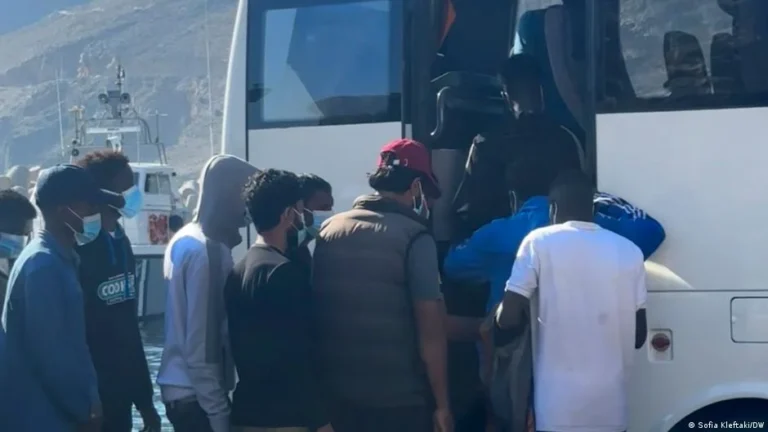
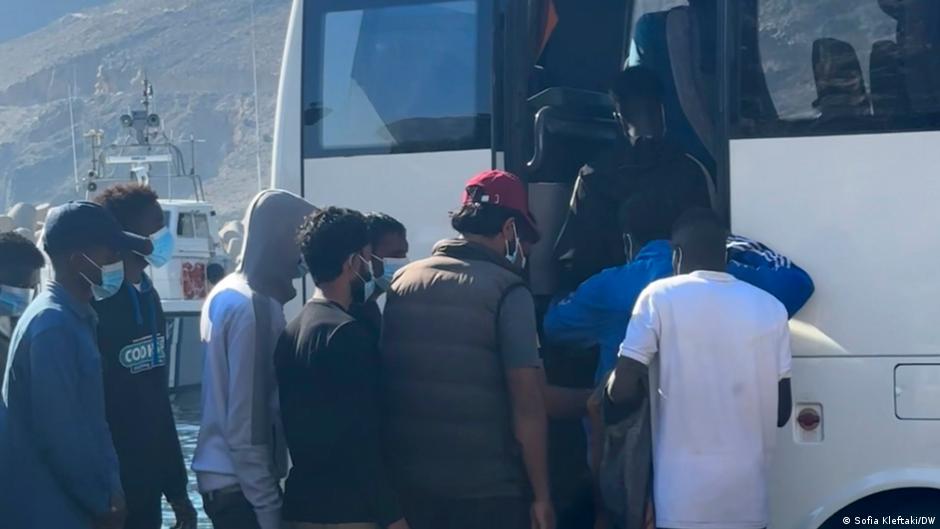
For years, the European Union has grappled with the logistical, ethical, and legal complexities of managing rejected asylum seekers, a challenge that has frequently exposed deep political fractures among member states. Now, a coalition of five nations—Greece, Germany, Austria, Denmark, and the Netherlands—is moving to break the cycle of failed policy by spearheading the establishment of "return hubs" located outside the European Union. These facilities, designed to host individuals whose asylum claims have been definitively denied while their final deportation is processed, represent a significant pivot in European migration strategy, aiming to bypass the legal hurdles that have stymied previous efforts.
The Shift Toward Externalization
The strategy, as outlined by Greek Minister of Migration Thanos Plevris in a recent interview with the Greek television network ANT1, is scheduled for implementation by the second half of 2027. This timeline is politically significant, coinciding with Greece’s assumption of the EU Council Presidency. While the specific African host nation remains undisclosed, diplomatic speculation has focused on countries such as Rwanda or Uganda. However, the "group of five" has maintained a strict silence regarding the site, likely to prevent the diplomatic and public pressure that has derailed similar initiatives in the past.
Unlike the "closed" detention centers that have characterized earlier proposals, Plevris emphasized that these facilities are intended to be "open," functioning as transit stations for individuals awaiting final repatriation. A critical distinction in this new model is the locus of responsibility: to circumvent legal challenges regarding human rights, the participating EU member states will retain full legal and financial control over the centers. By maintaining this authority, the coalition hopes to ensure that the hubs remain within the purview of EU-mandated human rights standards, with the United Nations High Commissioner for Refugees (UNHCR) and the International Organization for Migration (IOM) invited to provide independent oversight.
A Chronology of Failed Precedents
The current push for return hubs follows a series of high-profile, and ultimately unsuccessful, attempts by various European nations to outsource asylum processing.
The UK-Rwanda Model (2022–2024): Under the Conservative administrations of Boris Johnson and Rishi Sunak, the United Kingdom pioneered the most aggressive approach to offshoring. The policy sought to permanently relocate irregular migrants to Rwanda to have their claims processed there. The project became a flashpoint for legal and political debate, ultimately being declared unlawful by the British Supreme Court on the grounds of "refoulement"—the risk that asylum seekers would be returned to countries where they face persecution. Despite a staggering investment of approximately £715 million (€835 million), the program resulted in only four voluntary relocations before it was formally abandoned.
Italy’s Albania Experiment (2024–Present): Italy’s initiative with Albania took a different approach, attempting to process asylum claims in Italian-run centers on Albanian soil. The project faced immediate judicial scrutiny. Italian courts intervened shortly after the centers opened, ruling that citizens of nations like Bangladesh and Egypt could not be automatically sent back if their home countries were deemed unsafe for specific demographics. The facilities have since been repurposed as centers for individuals whose asylum claims were already rejected in Italy. The financial burden of this project is significant, with costs projected to exceed €670 million by 2028.
Denmark’s Stalled Negotiations (2021–2023): Denmark was one of the first countries to attempt to legalize the transfer of asylum seekers to third countries. However, after intensive negotiations with Rwanda, the Danish government suspended the effort in early 2023, acknowledging that the logistical and legal framework required to sustain such a program was, at that time, unattainable.

The Changing Legal Framework
The primary obstacle to externalization has historically been the requirement that an asylum seeker possess a "personal connection" to the third country—such as family ties or previous residency—to be legally transferred there. The current European coalition is relying on a shift in the legal landscape to overcome this. The revised European asylum law, coupled with the "EU Return Regulation" agreed upon in June 2026, significantly alters the requirements for transfers.
Under these new regulations, individuals who have been ordered to leave the EU can be transferred to a safe third country even without a prior personal connection, provided there is a formal agreement with the host nation. Furthermore, because this is an EU regulation rather than a directive, it holds direct applicability across member states, creating a unified legal framework that seeks to minimize the "forum shopping" and judicial interference that characterized the Italian and British experiences.
Financial and Operational Realities
The financial model for these hubs is entirely self-contained. The "group of five" intends to fund the infrastructure, security, and staffing of the facilities independently. This serves two purposes: it insulates the project from the funding volatility of international development aid and underscores the coalition’s commitment to retaining jurisdiction.
However, critics remain skeptical. Economic analyses of previous efforts have consistently highlighted the "cost-per-return" ratio. In the case of the UK’s Rwanda deal, the cost was exorbitant relative to the number of people processed. Humanitarian organizations, including Amnesty International and Doctors Without Borders, argue that the operational costs are only the beginning. They contend that the real price will be paid in the erosion of international legal principles, specifically the right to seek asylum and the guarantee of a fair, non-discriminatory review process.

Implications for EU Asylum Policy
The establishment of these hubs represents a fundamental shift in how the EU defines its borders. For decades, the "Dublin Regulation" and subsequent policies focused on the internal distribution of asylum seekers. The current pivot toward externalization suggests a move toward a "border-less" enforcement model, where the geographical location of the processing facility becomes secondary to the legal status of the individual.
If successful, the 2027 project could set a template for a broader EU-wide policy. However, the implications are vast:
- Diplomatic Friction: The reliance on African host nations places the EU in a delicate diplomatic position, requiring the continuous support of these partners. If a host nation experiences a change in government or public sentiment, the entire infrastructure could be jeopardized.
- Legal Challenges: While the EU has attempted to streamline the legal framework, human rights advocates are expected to file preemptive challenges at the European Court of Human Rights (ECHR). The core question remains whether "open" facilities in a third country can truly satisfy the legal requirements for individual protection.
- Public Perception: The success of the project will likely be measured by its ability to deter irregular migration. If the hubs do not result in a marked decrease in illegal arrivals, the high financial costs may trigger domestic political backlash within the participating member states.
Conclusion: A High-Stakes Gambit
The decision by Greece, Germany, Austria, Denmark, and the Netherlands to proceed with these return hubs is a calculated risk. By choosing a path that prioritizes legal sovereignty and independent financing, they hope to avoid the judicial pitfalls that rendered previous models ineffective. As the 2027 launch date approaches, the European Union finds itself at a critical juncture. The success or failure of these hubs will not only determine the future of the bloc’s migration policy but will also test the limits of international cooperation in an era defined by global displacement and shifting political priorities. The world will be watching to see if these "open" facilities can reconcile the competing demands of border security and the humanitarian obligations enshrined in international law.