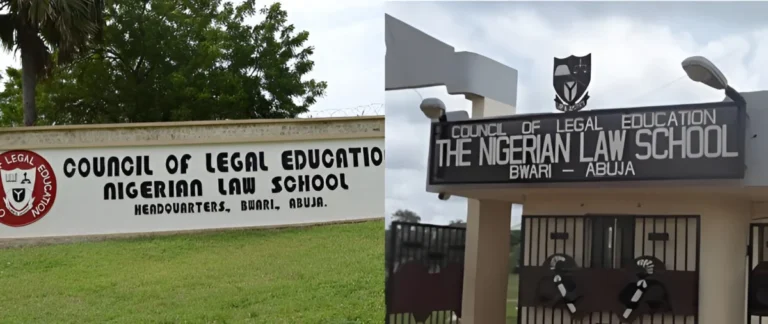
The Council of Legal Education (CLE) has officially released a comprehensive and updated list of 117 universities across Nigeria that are currently accredited and approved to admit students into their Bachelor of Laws (LL.B) programs. This significant announcement, made through a public notice signed by the Secretary to the Council and Director of Administration, Aderonke Osho, serves as a critical regulatory update for the Nigerian educational sector and the legal profession. The release of this list is accompanied by a stern warning to prospective law students, parents, and guardians regarding the severe consequences of enrolling in institutions or programs that lack the requisite approval from the Council.
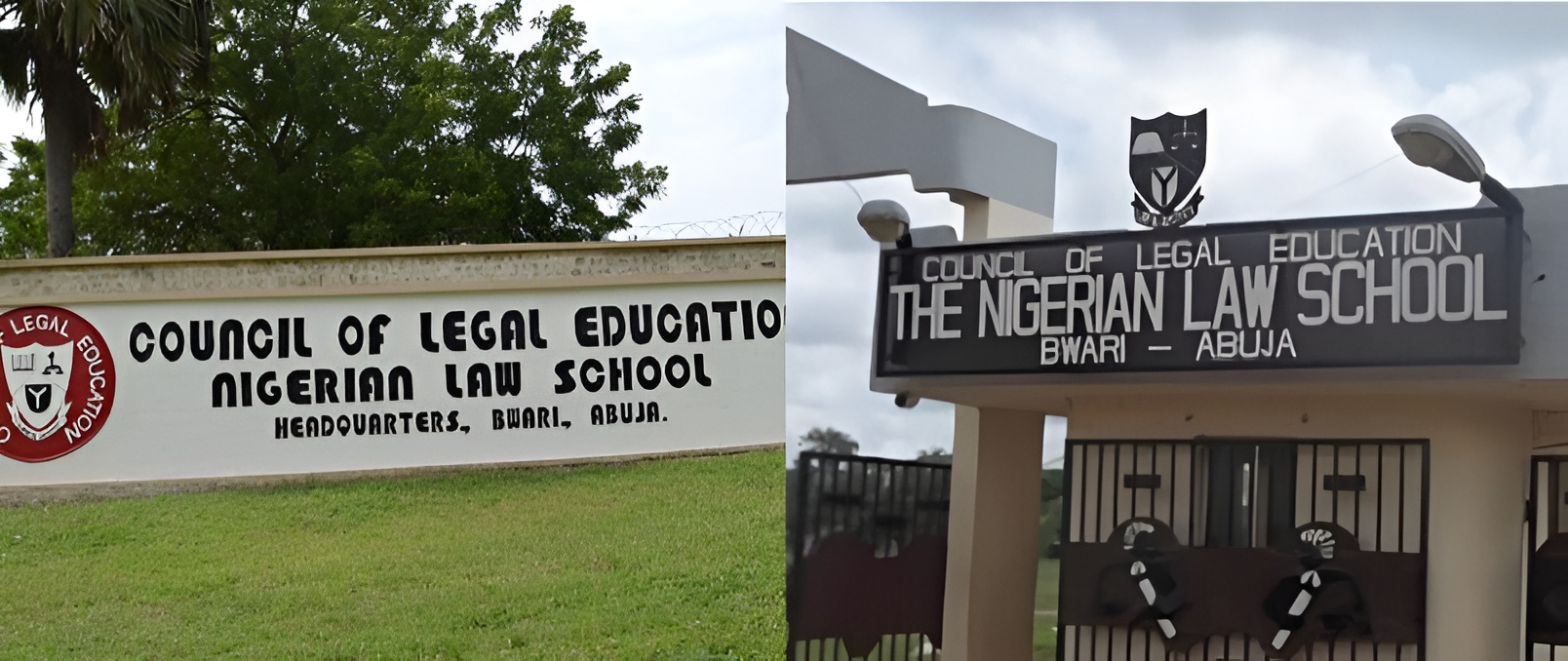
The Council of Legal Education, established under the Legal Education (Consolidation) Act, remains the sole statutory body responsible for the accreditation of law programs in Nigerian universities and the administration of the Nigerian Law School. In its latest directive, the Council emphasized that any graduate from a university without an approved law program would be strictly barred from admission into the Nigerian Law School. This exclusion effectively prevents such individuals from being called to the Nigerian Bar, a mandatory requirement for anyone seeking to practice law as a barrister and solicitor in the Federal Republic of Nigeria.
The Regulatory Mandate of the Council of Legal Education
The Council of Legal Education occupies a central role in maintaining the standards of the legal profession in Nigeria. Beyond merely listing approved institutions, the Council is tasked with supervising the quality of legal training provided at the undergraduate level. This oversight includes periodic accreditation visits to assess faculty-to-student ratios, the adequacy of law libraries, physical infrastructure such as moot courts, and the quality of the curriculum.
The Council’s latest public notice is part of an ongoing effort to sanitize legal education in the country. In recent years, several institutions have faced sanctions for exceeding their admission quotas or for launching law programs without completing the necessary accreditation protocols. The Council’s statement noted that universities admitting students into law programs without approval are in direct violation of the regulations governing legal education and risk further sanctions in accordance with extant policies.
Analysis of the 117 Approved Universities
The newly released list reflects a diverse landscape of legal education in Nigeria, comprising federal, state, and private universities. However, the list also highlights specific disciplinary measures taken by the Council against certain institutions. Most notably, the Council has imposed moratoriums on several prominent universities, halting their law admissions for specific periods due to various regulatory infractions.
For instance, Baze University in Abuja is currently under a three-year moratorium on law admissions, effective from the 2023/2024 session through the 2025/2026 session. This measure was reportedly taken following findings that the institution had significantly over-admitted students beyond its approved quota, potentially compromising the quality of training. Similarly, Lead City University in Ibadan faces a five-year moratorium (2023/2024 to 2027/2028), and the Nigeria Police Academy in Wudil, Kano State, has been handed a two-year moratorium starting from the 2024/2025 session.
These moratoriums serve as a reminder that accreditation is not a one-time achievement but a continuous state of compliance. Institutions that fail to adhere to the Council’s standards regarding student numbers and facility maintenance face the risk of having their approval suspended or revoked entirely.
Implications for Prospective Students and the Legal Profession
For prospective students, the Council’s warning is of paramount importance. The journey to becoming a lawyer in Nigeria is a two-stage process: the completion of an LL.B degree at an accredited university, followed by a one-year practical training program at the Nigerian Law School. If the first stage is completed at an unaccredited institution, the second stage becomes impossible. This results in "stranded" graduates who possess a degree but are legally unable to practice their chosen profession.
From a broader perspective, the Council’s strict stance is designed to prevent the "mass production" of law graduates, which could lead to a decline in the professional competence of the Nigerian Bar. By enforcing admission quotas and accreditation standards, the CLE ensures that the number of graduates remains manageable for the Nigerian Law School and that the market for legal services remains populated by well-trained professionals.
Comprehensive List of Accredited Universities
The following 117 universities have been cleared by the Council of Legal Education to offer LL.B programs as of the latest 2024 update:
- Abia State University, Uturu, Abia State
- Achievers University, Owo, Ondo State
- Adamawa State University, Mubi, Adamawa State
- Adekunle Ajasin University, Akungba-Akoko, Ondo State
- Adeleke University, Ede, Osun State
- Admiralty University, Ibusa, Delta State
- Afe Babalola University, Ado-Ekiti, Ekiti State
- Ahmadu Bello University, Zaria, Kaduna State
- Ajayi Crowther University, Oyo, Oyo State
- Al-Ansar University, Maiduguri, Borno State
- Al-Hikmah University, Ilorin, Kwara State
- Aletheia University, Ago-Iwoye, Ogun State
- Alex Ekwueme Federal University, Ndufu-Alike, Ebonyi State
- American University of Nigeria, Yola, Adamawa State
- Ambrose Alli University, Ekpoma, Edo State
- Anchor University, Ayobo, Lagos State
- Arthur Jarvis University, Akpabuyo (Calabar), Cross River State
- Ave-Maria University, Piyanko, Nasarawa State
- Azman University, Kano, Kano State
- Babcock University, Ilishan-Remo, Ogun State
- Bauchi State University, Gadau, Bauchi State
- Bayero University, Kano, Kano State
- Baze University, Abuja (Under moratorium until 2025/2026)
- Benson Idahosa University, Benin City, Edo State
- Bingham University, Karu, Nasarawa State
- Bowen University, Iwo, Osun State
- Caleb University, Imota, Lagos State
- Chrisland University, Abeokuta, Ogun State
- Christopher University, Mowe, Ogun State
- Chukwuemeka Odumegwu Ojukwu University, Igbariam, Anambra State
- Confluence University of Science and Technology, Osara, Kogi State
- Crescent University, Abeokuta, Ogun State
- Delta State University, Abraka, Delta State
- Ebonyi State University, Abakaliki, Ebonyi State
- Edwin Clark University, Kiagbodo, Delta State
- Edo University, Iyamho (Uzairue), Edo State
- Ekiti State University, Ado-Ekiti, Ekiti State
- El-Amin University, Minna, Niger State
- Elizade University, Ilara-Mokin, Ondo State
- Enugu State University of Science and Technology, Agbani, Enugu State
- Federal University, Dutsin-Ma, Katsina State
- Federal University, Lokoja, Kogi State
- Federal University, Otuoke, Bayelsa State
- Federal University, Wukari, Taraba State
- Fountain University, Osogbo, Osun State
- Godfrey Okoye University, Enugu State
- Gombe State University, Gombe State
- Gregory University, Uturu, Abia State
- Hensard University, Toru-Orua, Bayelsa State
- Ibrahim Babangida University, Lapai, Niger State
- Igbinedion University, Okada, Edo State
- Imo State University, Owerri, Imo State
- Joseph Ayo Babalola University, Ikeji-Arakeji, Osun State
- Kingsley Ozumba Mbadiwe University, Ogboko, Imo State
- Koladaisi University, Ibadan, Oyo State
- Kwara State University, Malete, Kwara State
- Lagos State University, Ojo, Lagos State
- Lead City University, Ibadan, Oyo State (Under moratorium until 2027/2028)
- Lux Mundi University, Umuahia, Abia State
- Madonna University, Okija, Anambra State
- Maduka University, Ekwegbe-Nsukka, Enugu State
- Margaret Lawrence University, Abuja, FCT
- Maryam Abacha American University, Kano, Kano State
- McPherson University, Seriki-Sotayo, Ogun State
- Mewar International University, Masaka, Nasarawa State
- Modibbo Adama University, Yola, Adamawa State
- Nasarawa State University, Keffi, Nasarawa State
- Newgate University, Minna, Niger State
- Niger Delta University, Wilberforce Island, Bayelsa State
- Nigerian-British University, Asa, Abia State
- Nile University, Abuja
- Nnamdi Azikiwe University, Awka, Anambra State
- North-Eastern University, Gombe State
- Northwest University, Kano (Yusuf Maitama Sule University), Kano State
- Northwest University, Kalambaina, Wamakko, Sokoto State
- Novena University, Ogume, Delta State
- Obafemi Awolowo University, Ile-Ife, Osun State
- Olabisi Onabanjo University, Ago-Iwoye, Ogun State
- Osun State University, Osogbo, Osun State
- Peter University, Achina/Onneh, Anambra State
- Philomath University, Abuja, FCT
- Plateau State University, Bokkos, Plateau State
- Nigeria Police Academy, Wudil, Kano State (Under moratorium until 2025/2026)
- Prime University, Kuje, FCT Abuja
- Prince Abubakar Audu University, Anyigba, Kogi State
- Rayhaan University, Birnin-Kebbi, Kebbi State
- Redeemer’s University, Ede, Osun State
- Renaissance University, Ugbawka, Enugu State
- Reverend Father Moses Orshio Adasu University, Makurdi, Benue State
- Rivers State University, Port Harcourt, Rivers State
- Salem University, Lokoja, Kogi State
- Sam Maris University, Supare-Akoko, Ondo State
- Shanahan University, Onitsha, Anambra State
- Skyline University, Kano, Kano State
- Taraba State University, Jalingo, Taraba State
- Thomas Adewumi University, Oko-Irese, Kwara State
- Topfaith University, Mkpatak, Akwa Ibom State
- Umaru Musa Yar’Adua University, Katsina, Katsina State
- University of Abuja, Abuja, FCT
- University of Benin, Benin City, Edo State
- University of Calabar, Calabar, Cross River State
- University of Delta, Agbor, Delta State
- University of Ibadan, Ibadan, Oyo State
- University of Ilesa, Ilesa, Osun State
- University of Ilorin, Ilorin, Kwara State
- University of Jos, Jos, Plateau State
- University of Lagos, Akoka, Lagos State
- University of Maiduguri, Maiduguri, Borno State
- University of Nigeria, Nsukka, Enugu State
- University of Port Harcourt, Port Harcourt, Rivers State
- University of Uyo, Uyo, Akwa Ibom State
- University on the Niger, Umumya, Anambra State
- Usman Danfodio University, Sokoto, Sokoto State
- Veritas University, Bwari, Abuja
- Wesley University, Ondo, Ondo State
- Western Delta University, Oghara, Delta State
- Yobe State University, Damaturu, Yobe State
Historical Context and Evolution of Accreditation
The process of university accreditation for law programs in Nigeria has evolved significantly since the establishment of the Council of Legal Education in 1962. Initially, only a handful of federal universities offered law. However, the liberalization of the education sector in the 1990s and 2000s led to a surge in state and private institutions.

This expansion created a need for more rigorous oversight. The Council has frequently updated its accreditation guidelines to keep pace with global legal trends, including the introduction of Clinical Legal Education and the requirement for ICT-compliant law libraries. The current list of 117 institutions represents a peak in the number of approved programs, reflecting both the growing demand for legal education and the Council’s efforts to bring more institutions into the regulatory fold.
Expert Reactions and Future Outlook
Legal education experts have lauded the Council’s decision to publish the list as a proactive step toward transparency. "The publication of this list is a vital consumer protection measure," said a Lagos-based legal practitioner. "It prevents educational fraud and ensures that students do not waste years of their lives and millions of Naira on degrees that carry no professional weight."
The Council’s move also comes shortly after a significant leadership change at the Nigerian Law School. President Bola Tinubu recently appointed the first female Director-General of the Nigerian Law School, a move seen by many as a signal of impending reforms within the institution. Stakeholders expect that under new leadership, the synergy between the Council of Legal Education and the Law School will strengthen, leading to even stricter enforcement of academic standards.
In conclusion, the updated list of 117 universities serves as the definitive guide for legal education in Nigeria. While the number of approved institutions is substantial, the Council’s warnings regarding moratoriums and unaccredited programs highlight the ongoing challenges of maintaining quality in a rapidly expanding academic environment. Prospective students are urged to consult this official list before making any commitments to ensure their path to the Nigerian Bar remains secure.