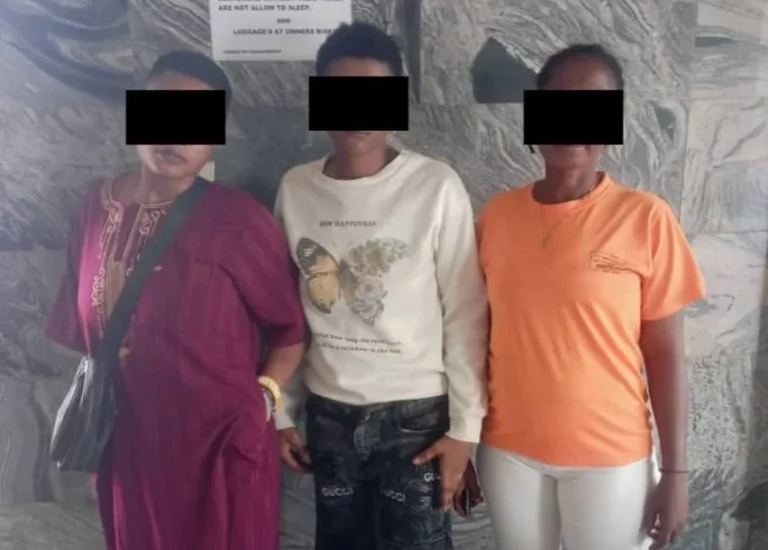
Survivors of a sophisticated human trafficking network have emerged from the shadows of exploitation in Côte d’Ivoire, bravely recounting their harrowing experiences after being lured from Nigeria with false promises of lucrative employment and a brighter future. The victims, ranging in age from 17 to 38, were systematically deceived and subsequently subjected to forced labor, prostitution, and sexual slavery, a stark testament to the pervasive reach of modern-day trafficking operations.
The rescued individuals, identified as Monica (17), Juliet (18), Rejoice (25), Joy (22), and another Monica (38), shared their devastating stories, highlighting how traffickers preyed on their aspirations for economic stability and upward mobility. These vulnerable individuals were enticed by deceptive job offers, a common tactic employed by trafficking syndicates to ensnare their victims.
The Rescue Operation: A Collaborative Effort
The successful rescue of these Nigerian nationals was the result of a meticulously planned and executed joint operation. Spearheaded by the Global Anti-Human Trafficking Organisation (GAHTO), the operation involved the critical collaboration of Nigeria’s National Agency for the Prohibition of Trafficking in Persons (NAPTIP) and relevant law enforcement authorities within Côte d’Ivoire. This multi-national effort underscores the complex and cross-border nature of human trafficking and the necessity of international cooperation to combat it effectively.
Prosper Michael, the founder of GAHTO, issued a statement on Thursday detailing the operation and emphasizing the organization’s unwavering commitment to eradicating human trafficking. The organization’s representative in Côte d’Ivoire played a pivotal role in the ground-level execution of the rescue, working in tandem with local authorities to ensure the safety and liberation of the victims.
Chronology of Deception and Exploitation
The survivors’ accounts paint a chilling picture of a well-orchestrated deception that began with seemingly legitimate job offers within Nigeria. One of the young women, Monica, recounted how she accepted a bakery job offer in Abuja, a promising prospect that she believed would significantly improve her circumstances. Her journey, however, took a sinister turn as she was transported through Lagos, a major transit hub, and ultimately to Côte d’Ivoire, far from her intended destination and without any knowledge of her true fate.
"I informed my parents because I believed the offer was genuine," Monica stated, her voice tinged with the trauma of her experience. "We later realised there were no jobs after we were locked in a room." This initial phase of captivity served as a prelude to the systematic abuse that awaited them.
The traffickers enforced a strict code of silence and deception among the victims. They were instructed to convey a false narrative of safety and well-being to anyone who contacted them, effectively severing their ties to the outside world and preventing any external intervention. This psychological manipulation was a key component of their control.
The coercive environment became palpable when Monica attempted to speak with her mother. "When I spoke to my mother, I started crying, and they immediately collected the phone from me," she recounted, highlighting the immediate suppression of any signs of distress. The traffickers also resorted to financial coercion, continuously deducting money from the meager earnings the victims were forced to generate, without providing any clear justification for these deductions. This practice further entrapped them in a cycle of debt and dependency.
In a moment of desperate courage, Monica and another victim managed to escape their captors, aided by the kindness of local residents who recognized their plight. They then reached out to GAHTO, initiating the process that would ultimately lead to their liberation and the rescue of others.
The Brutality of Forced Prostitution
Another survivor, Monica Tamah, shared an equally harrowing account of being forced into prostitution. Her motivation for seeking opportunities abroad was deeply rooted in her desire to provide for her family and ensure her daughter’s education. "When we got there, we discovered there were no jobs," she explained. "Instead, we were told we had been brought for prostitution and had to repay transportation debts through sex work."
This revelation underscores the predatory nature of the trafficking ring, which used the guise of employment to ensnare individuals and then forced them into exploitative labor to recoup fabricated debts. Monica Tamah endured approximately six months of captivity before her eventual rescue, a period marked by unimaginable physical and psychological abuse.
She described the brutal reality of their confinement, where victims were compelled to engage in sexual acts with an alarming number of clients daily. "They made about 50,000 CFA francs every day from us, but we received little or nothing," she stated, revealing the immense profits generated by the traffickers at the expense of their victims’ dignity and well-being. The financial disparity highlights the callous disregard for the human cost of their illicit enterprise.
Broader Context and Supporting Data
The rescue of these Nigerian women in Côte d’Ivoire is not an isolated incident but rather symptomatic of a larger, persistent global issue of human trafficking. According to the United Nations Office on Drugs and Crime (UNODC) Global Report on Trafficking in Persons, West Africa remains a significant region for both origin and transit of trafficked persons. The report consistently highlights the use of false promises of employment and education as primary recruitment tactics, particularly targeting young women and girls.
Data from NAPTIP indicates that thousands of Nigerians are trafficked annually, with destinations across Africa, Europe, and the Middle East. The economic vulnerabilities and limited opportunities within Nigeria, coupled with the allure of perceived better living standards abroad, create fertile ground for trafficking networks to thrive. The COVID-19 pandemic and its economic repercussions have further exacerbated these vulnerabilities, potentially increasing the number of individuals susceptible to such exploitation.
The modus operandi observed in this case – deception regarding employment, transportation to a foreign country, debt bondage, and forced prostitution – is a well-documented pattern within trafficking operations. Traffickers often operate in organized syndicates, leveraging social networks and exploiting existing migration routes to facilitate their criminal activities. The involvement of local authorities in Côte d’Ivoire in this rescue operation is crucial, as it demonstrates the need for robust bilateral and regional cooperation to dismantle these transnational criminal networks.
Official Responses and Calls to Action
The success of this rescue operation has been lauded by GAHTO as a significant breakthrough in their ongoing campaign against human trafficking and their efforts to protect vulnerable Nigerians across West Africa. The organization used this occasion to issue a stern warning and a series of recommendations to the Nigerian public and relevant authorities.
"We urge Nigerians to verify overseas employment and migration offers through appropriate government channels, remain vigilant against suspicious recruiters and promptly report suspected trafficking cases to law enforcement agencies," the statement from GAHTO implored. This emphasis on due diligence and reporting is critical in empowering individuals and communities to resist exploitation.
Furthermore, GAHTO issued a call for enhanced collaboration among governments, security agencies, and international partners. "We also call for stronger collaboration among governments, security agencies and international partners to dismantle trafficking networks, rescue victims and ensure perpetrators are brought to justice," the statement concluded. This call for robust international cooperation is essential for a comprehensive approach to combating human trafficking, which requires coordinated efforts to disrupt trafficking routes, prosecute offenders, and provide comprehensive support services to survivors.
Implications and Broader Impact
The harrowing testimonies of these Nigerian survivors serve as a stark reminder of the persistent human cost of trafficking. The psychological scars, physical trauma, and the loss of precious years of their lives underscore the profound impact of such exploitation. The economic implications are also significant, as these individuals, who could have contributed to Nigeria’s development, were instead exploited for the financial gain of criminal enterprises.
The successful rescue operation, while a cause for celebration, also highlights the urgent need for increased awareness campaigns, enhanced border security measures, and stronger legal frameworks to prosecute traffickers effectively. The involvement of NAPTIP and Ivorian authorities signals a positive step towards inter-agency cooperation, but sustained political will and resource allocation are crucial to addressing this complex issue comprehensively.
The stories of Monica, Juliet, Rejoice, Joy, and Monica Tamah are not just individual tragedies; they represent a collective cry for justice and a demand for a world free from the horrors of human trafficking. Their courage in sharing their experiences can serve as a catalyst for greater action and a beacon of hope for countless others still trapped in similar circumstances. The fight against human trafficking requires a multi-faceted approach, encompassing prevention, protection, prosecution, and partnership, to ensure that such atrocities are relegated to the annals of history.