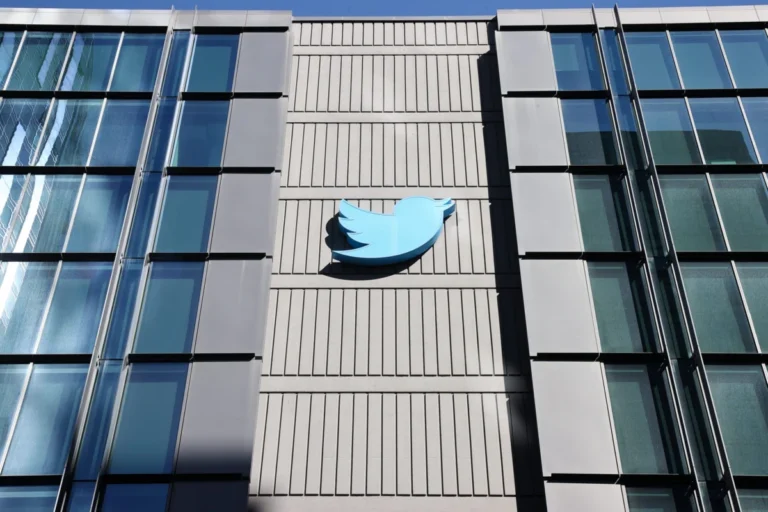
The trajectory of Twitter’s presence on the African continent represents one of the most volatile chapters in the history of global big tech, shifting from a celebrated milestone for the African digital economy to a cautionary tale of corporate restructuring and perceived systemic neglect. What began in April 2021 as a visionary expansion led by co-founder and former CEO Jack Dorsey has, in less than two years, devolved into a logistical and public relations crisis following the $44 billion acquisition of the platform by Tesla CEO Elon Musk. The dissolution of the Twitter Africa team, based in Accra, Ghana, has raised fundamental questions about how global technology giants value emerging markets and whether the continent’s tech talent is being utilized as a genuine asset or a mere tool for public relations optics.
The Visionary Entry: Ghana as the Gateway to Africa
On April 12, 2021, the global tech landscape shifted when Jack Dorsey announced that Twitter would be establishing its first African presence. The decision to choose Ghana as the headquarters for its regional operations was not arbitrary. In a blog post that accompanied the announcement, Twitter described Ghana as a "champion for democracy" and a stalwart supporter of free speech and online freedom. This move was seen as a major win for President Nana Addo Dankwa Akufo-Addo’s administration, which had been aggressively positioning Ghana as a hub for digital innovation under the "Ghana Beyond Aid" and "Year of Return" frameworks.
President Akufo-Addo’s response was immediate and enthusiastic. He characterized the partnership as critical for the development of Ghana’s tech sector, noting that the presence of a global giant like Twitter would provide unparalleled opportunities for local talent. For the broader African continent, the news sparked a healthy, if spirited, rivalry. Discussions moved beyond the perennial "Jollof wars" between Ghana and Nigeria to a more substantive debate on which nation could best attract foreign direct investment in the fourth industrial revolution.
Twitter’s strategy involved hiring locally sourced talent for roles in product, design, engineering, marketing, and communications. The goal was to "immerse" the company in the vibrant communities that drive conversations across Africa. For nearly a year, this team operated remotely, successfully shipping features and moderating content with a localized understanding of African socio-political nuances. This period represented a high-water mark for African tech optimism, as local professionals finally had a seat at the table of one of the world’s most influential communication platforms.
The Leadership Transition and the Musk Bid
The stability of this vision began to waver on November 29, 2021, when Jack Dorsey unexpectedly resigned as CEO. Dorsey, who had long expressed a personal affinity for Africa and had even planned to move to the continent for several months before the COVID-19 pandemic intervened, was replaced by Parag Agrawal. While Agrawal initially projected an aura of continuity, his tenure was almost immediately consumed by internal friction and the looming shadow of Elon Musk.
The chronology of the Musk acquisition is a study in corporate volatility. On April 14, 2022, Musk made an unsolicited offer to buy Twitter for $44 billion, intending to take the company private. What followed was a months-long legal and verbal battle. Musk initially accepted the deal, then attempted to terminate it in July 2022, citing concerns over the prevalence of "bots" or fake accounts. Twitter’s leadership, led by Agrawal, sued Musk in a Delaware court to force the completion of the sale.
During this period of uncertainty, the internal morale at Twitter plummeted. Text messages revealed during court proceedings showed a deepening rift between Agrawal and Musk. In one exchange, Agrawal confronted Musk about his tweets asking if Twitter was "dying," noting that such comments hindered his ability to improve the company. Musk’s curt response—"What did you get done this week?"—foreshadowed the aggressive, performance-driven, and often abrasive management style he would bring to the company.
The "Sink" and the Sudden Shift
Elon Musk officially took ownership of Twitter on October 27, 2022. His arrival was marked by a theatrical entrance into the San Francisco headquarters carrying a porcelain sink, captioned with the pun "let that sink in." However, the humor was short-lived for the company’s 7,500 employees. Musk immediately fired the top executive tier, including CEO Parag Agrawal and CFO Ned Segal.
Within a week, rumors of massive layoffs began to materialize. Musk argued that the company was losing $4 million a day and that a drastic "reduction in force" was the only way to ensure the platform’s survival. On November 4, 2022, approximately 50% of Twitter’s global workforce received an email with the subject line "Your Role at Twitter." For many, this was the moment they lost access to internal systems, Slack channels, and work emails, signaling the end of their tenure.
The Tragedy of Twitter Africa’s Physical Office
The timing of the layoffs was particularly cruel for the Twitter Africa team. On November 1, 2022—just three days before the mass terminations—the team in Accra had officially opened their physical office. After more than a year of remote work, employees had gathered in "the nest" for the first time, celebrating what they believed was the beginning of a new era of physical collaboration.
Bernard Kafui Sokpe, a Senior Partner Manager at the Ghana office, had posted on LinkedIn about the excitement of the office opening, calling it "news worth celebrating amidst all the headlines." By November 4, he and his colleagues were among those let go. The physical office, which had been open for less than 72 hours, became a ghost town.
The handling of the African layoffs drew sharp criticism for its lack of empathy and perceived procedural irregularities. Unlike their counterparts in the United States or Europe, who were promised at least three months of severance pay, reports emerged that the African staff were initially offered very little in terms of exit packages. Furthermore, the communication was handled via personal emails from the Dublin office, with little to no guidance on the off-boarding process or the legal requirements of Ghanaian labor law.
Official Responses and Public Outcry
The fallout from the closure of the Accra office sparked an international outcry. Former Twitter executives and tech advocates called on Jack Dorsey to intervene, reminding him of his stated commitment to the continent. Lara Cohen, former Global VP of Partners and Marketing, publicly questioned Dorsey on Twitter, asking if the treatment of the African team was "cool" with him.
The African staff, represented by legal counsel, began to push back against the terms of their termination. Under Ghanaian law, redundancies require a formal negotiation process and a specific notice period, which many argued Twitter had bypassed in its haste to cut costs. The disparity in treatment between the San Francisco-based employees and the Accra-based employees highlighted a recurring theme in global corporate structures: the "second-class" treatment of labor in emerging markets.
Broader Impact and Implications for Big Tech in Africa
The dissolution of Twitter Africa serves as a sobering case study for the future of Big Tech on the continent. In recent years, companies like Google, Microsoft, and Meta have all established significant footprints in Africa, drawn by the world’s youngest population and a rapidly growing developer community. However, the Twitter episode has introduced a layer of skepticism regarding the permanence of these investments.
From a content moderation perspective, the loss of the Africa team is significant. The team provided essential context for regional languages and political climates, helping to curb misinformation in critical election cycles across the continent. Without this local oversight, the platform risks becoming a vacuum for unregulated content that could have real-world consequences for regional stability.
Furthermore, the "PR gimmick" accusation carries weight. Critics argue that Twitter’s entry into Ghana was used to bolster the company’s image as a socially conscious, global-facing entity under Dorsey, only to be discarded as an "expensive luxury" under Musk’s austerity measures. This perceived disrespect may make African governments more cautious in the future when offering incentives to attract tech giants, potentially demanding stricter labor protections and long-term investment guarantees.
Analysis of the Musk Era Strategy
Elon Musk’s approach to Twitter, now rebranded as X, emphasizes a "hardcore" engineering culture and a move toward a subscription-based revenue model via Twitter Blue (now X Premium). In this vision, regional offices and specialized localized teams are often viewed as redundancies. While Musk claims this was necessary to avoid bankruptcy, the cost has been the erosion of the company’s global institutional knowledge and its relationship with a key growth demographic.
The world’s richest man successfully took the company private, but in doing so, he dismantled a bridge to the African continent that took years to build. The story of Twitter Africa is not just one of job losses; it is a story of a missed opportunity to truly globalize the digital conversation. As the dust settles in the Accra office, the tech world is left to ponder whether the continent is viewed by Silicon Valley as a genuine partner in innovation or merely a convenient backdrop for corporate storytelling.
The legacy of this transition remains a point of contention. While Musk continues to revamp the platform’s core architecture, the "African Nest" in Accra stands as a silent reminder of a vision that was grounded in the promise of democracy and free speech, only to be silenced by the cold calculations of a corporate takeover. For the talented professionals who were briefly part of that vision, the experience remains a bittersweet reminder of Africa’s potential and the precarious nature of the global tech economy.