Stockholm, Sweden – In a bold move designed to bolster European strategic autonomy and diminish reliance on foreign powers, Sweden on Thursday announced a comprehensive national strategy to significantly boost its mining sector, with a particular focus on critical metals and rare earth elements. The initiative, framed as a matter of national security, aims to accelerate permit processes, attract substantial investment, and position Sweden as a leading supplier of materials vital for the green transition, defense, and advanced manufacturing across the continent. This strategic pivot comes as Europe grapples with the vulnerabilities exposed by its overwhelming dependence on China for essential raw materials, a dependence that Energy Minister and Deputy Prime Minister Ebba Busch explicitly called a "systemic risk" to European industry and security.
The Strategic Imperative: National Security and Economic Resilience
The Swedish government’s declaration marks a pivotal shift, elevating the extraction of critical metals and rare earth minerals to a national security interest. This reclassification is not merely symbolic; it is intended to trigger a profound overhaul of the regulatory landscape, making it easier and faster for mining projects to gain approval. Energy Minister Ebba Busch underscored the urgency of the new strategy, stating, "Sweden must become a leading mining nation." She articulated the government’s commitment to "streamline authorization procedures so decisions can be taken more quickly," a direct response to the often protracted and complex permitting processes that have historically deterred investment in large-scale extraction projects.
The rationale behind this accelerated approach extends beyond mere economic growth. Rare earth elements are indispensable components in a vast array of modern technologies, including the magnets used in wind turbines and electric vehicle motors, sophisticated defense systems, advanced electronics, and medical devices. The global supply chain for these crucial materials is currently dominated by China, which accounts for approximately 70% of global mining and refining capacity. This near-monopoly presents a significant geopolitical vulnerability for European nations, particularly in an era of heightened international tensions and competition for resources. By securing its own supply, Sweden not only strengthens its domestic economy but also contributes significantly to the European Union’s broader strategic autonomy and NATO’s collective defense capabilities.
Busch further elaborated on the government’s proactive measures, indicating that the state would explore the establishment of a state-owned investment company dedicated to the mining sector. This initiative aims to address a perceived gap in current capabilities. "Today, to put it plainly, the government lacks concrete tools to wisely contribute to accelerating and attracting investments in crucial strategic projects," she noted, highlighting a commitment to directly support and de-risk strategic mining ventures. This dual approach of regulatory reform and direct investment signals a robust intent to overcome historical hurdles and rapidly scale up extraction capabilities.
Sweden’s Rich Mineral Endowment and Future Potential
Sweden possesses a long and storied history as a European mining powerhouse, dating back to the 10th century with the legendary Falun copper mine. At its peak, Falun was responsible for producing as much as two-thirds of Europe’s copper, leaving an indelible mark on the country’s cultural landscape, notably the distinctive "Falun Red" pigment that adorns countless traditional Swedish buildings. Today, the Falun mine is a UNESCO World Heritage Site, a testament to Sweden’s deep-rooted mining heritage.
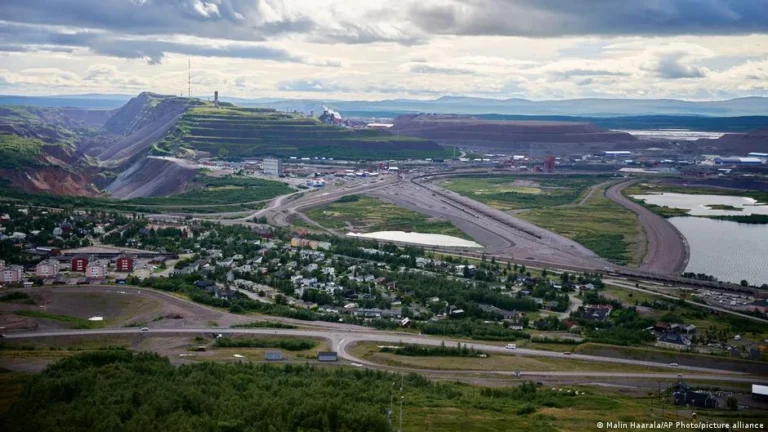
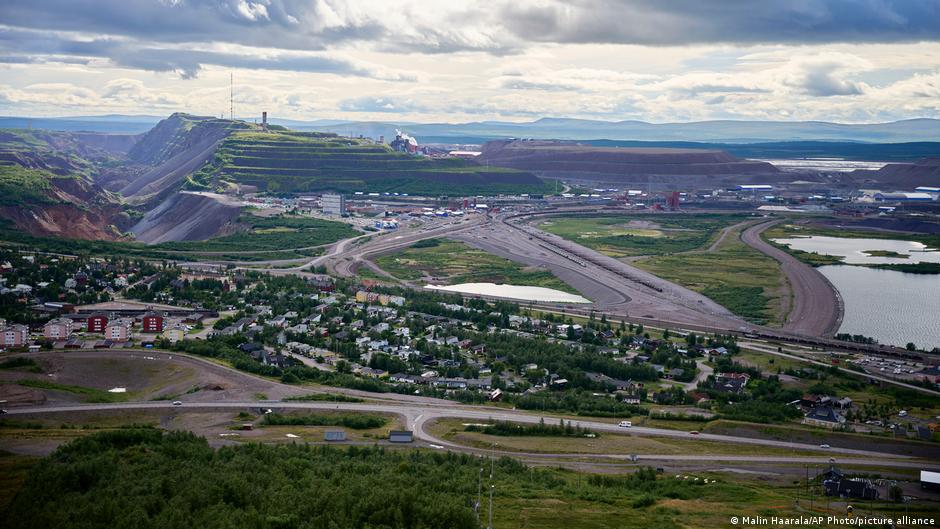
In the modern era, this legacy continues with the vast LKAB iron ore mine in Kiruna, located within the Arctic Circle. Sweden holds an estimated 60% of Europe’s known iron ore deposits and, as of 2021, was responsible for approximately 90% of the continent’s iron ore extraction, with the Kiruna mine alone contributing about one-third of that total. The scale of operations in Kiruna is so immense that it has necessitated the relocation of the entire town, including its historic church, due to ground subsidence caused by the extensive underground mining activities. This monumental undertaking, which saw the church moved on a specially designed trolley with 224 wheels, garnered international attention and underscores the profound impact and strategic importance of mining to the region.
The discovery of considerable rare earth deposits at the same Arctic Circle site in Kiruna in early 2023 further cemented Sweden’s potential as a critical minerals hub. Specifically, the Per Geijer find, near the existing Kiruna mine, is a flagship project for the EU’s efforts to reduce mineral reliance on China. Initial assessments indicate an area containing approximately 1.2 billion tons of mineral resources, including an estimated 2.2 million tons of rare earth oxides. To put this into perspective, this single deposit could significantly alter the European rare earth supply landscape, potentially meeting a substantial portion of the continent’s future demand for these crucial materials. Mining group LKAB is actively evaluating the potential of this deposit, though the path to excavation is fraught with challenges, including an estimated decade-long process for obtaining necessary permits, particularly on lands traditionally occupied by the Sami indigenous people.
Sweden’s strategic importance in the European critical raw materials landscape is further highlighted by the fact that four of the EU’s 47 identified strategic projects aimed at reducing mineral dependence on China are located within its borders. This concentration underscores Sweden’s critical role in the broader European strategy to build resilient supply chains and foster domestic production of essential resources.
Navigating Indigenous Rights and Environmental Stewardship

While the economic and strategic benefits of expanding Sweden’s mining sector are clear, the ambitious plans are not without complexities, particularly concerning the rights of the indigenous Sami people and broader environmental considerations. More than 90% of Sweden’s mines operate in the sparsely populated but resource-rich Norrland region, which largely overlaps with Sapmi, the traditional territory of the Sami.
The Sami, who are traditionally reindeer herders, have consistently voiced strong opposition to the expansion of mining operations in their ancestral lands. They argue that new mines, and the associated infrastructure development, threaten their traditional way of life, disrupt reindeer migration routes, and damage fragile Arctic ecosystems upon which their culture and livelihoods depend. The proposed acceleration of permit processes, while welcomed by the government and mining companies, raises significant concerns among Sami communities who fear their voices and traditional land use will be marginalized in the rush for critical minerals.
The conflict between national economic and security interests and indigenous rights is a sensitive and complex issue that Sweden must carefully navigate. International conventions, such as the UN Declaration on the Rights of Indigenous Peoples, emphasize the importance of free, prior, and informed consent for projects affecting indigenous territories. Balancing these obligations with the strategic imperative to secure critical raw materials will require robust consultation processes, comprehensive environmental impact assessments, and potentially innovative compensation and co-management models. The government’s explicit mention of the state’s increased ability to assign land for mining projects, a direct point of tension with the Sami, indicates an awareness of this conflict and potentially a more assertive stance on balancing competing interests. However, failure to adequately address Sami concerns risks not only legal challenges but also reputational damage and social instability.
Environmental groups are also likely to scrutinize the accelerated mining plans. While the materials extracted are crucial for green technologies, the mining process itself can be environmentally intensive, involving significant land disturbance, water usage, and potential for waste generation. The Swedish government will need to ensure that its commitment to boosting mining is coupled with equally robust environmental regulations and oversight, promoting sustainable mining practices and minimizing ecological footprints. This includes careful management of tailings, responsible water use, and effective rehabilitation of mining sites.
Broader Implications: A European and Global Perspective
Sweden’s new mining strategy holds profound implications, both domestically and internationally. For Sweden, it represents a significant economic opportunity, potentially creating new jobs, stimulating regional development, and enhancing its geopolitical standing as a key player in Europe’s green and digital transitions. However, it also presents challenges in balancing economic aspirations with social and environmental responsibilities.

For the European Union, Sweden’s initiative is a vital step towards achieving the goals outlined in the Critical Raw Materials Act (CRMA). The CRMA aims to strengthen the EU’s strategic autonomy by diversifying supply chains, boosting domestic extraction, processing, and recycling of critical raw materials. By streamlining permit processes and offering state support, Sweden is directly contributing to the CRMA’s targets, which include ensuring that the EU extracts at least 10% of its annual consumption of strategic raw materials by 2030. Other EU member states are expected to welcome Sweden’s proactive stance, as it aligns with Brussels’ broader strategic autonomy agenda and the imperative to reduce vulnerabilities to supply chain disruptions. This move could also inspire other European nations with significant mineral resources to explore similar strategies.
Globally, Sweden’s enhanced role in rare earth production could gradually contribute to diversifying the market, potentially reducing China’s disproportionate influence. While a complete shift in market dynamics will take years, if not decades, initiatives like Sweden’s signal a growing global commitment to establishing alternative supply chains. This diversification is seen by many Western nations as crucial for national security, economic stability, and the advancement of green technologies. However, the path to establishing fully integrated, competitive rare earth supply chains outside of China remains challenging, requiring massive investment in all stages, from extraction to processing and refining.
The Path Forward: Challenges and Opportunities
The journey to transform Sweden into a leading mining nation, particularly for rare earths, is ambitious and multi-faceted. The government’s commitment to streamlining authorization procedures is a crucial first step, addressing a long-standing impediment to project development. The exploration of a state-owned investment company underscores a willingness to deploy public capital to de-risk strategic projects and attract private sector participation.
However, success will hinge on effectively navigating the inherent tensions between economic development, environmental protection, and indigenous rights. The decade-long permitting estimate for the Per Geijer deposit highlights the scale of the challenge. Future legislative changes will need to balance speed with thoroughness, ensuring that environmental safeguards are maintained and that the rights and concerns of the Sami people are genuinely addressed through meaningful consultation and potential benefit-sharing agreements.
Ultimately, Sweden’s new mining strategy is a clear signal of its determination to leverage its abundant natural resources to secure its own future and contribute to a more resilient, strategically independent Europe. As the global demand for critical raw materials continues to surge, driven by the imperative of decarbonization and technological advancement, Sweden’s actions could prove to be a pivotal moment in the ongoing efforts to reshape global supply chains and foster a more secure and sustainable future.