Lagos has always been a city in constant motion, an inexhaustible engine of commerce and creative energy. However, in the mid-2020s, the geography of the city’s social life has undergone a profound structural shift. The traditional reliance on large-scale clubs and hotel bars is being superseded by a more nuanced ecosystem: the "third space." These are not merely venues for leisure; they are hyper-local, curator-led hubs that bridge the gap between artistic production, community building, and urban lifestyle. As Lagos continues to assert itself as a global creative powerhouse, these institutions have become the architectural scaffolding for a new, youth-led cultural identity.
The Evolution of the Third Space in Lagos
The concept of a "third space"—distinct from the home and the workplace—has taken on a specific, vibrant character in Nigeria’s commercial capital. Historically, Lagos nightlife was defined by monolithic, high-capacity venues. The current wave, however, is defined by intimacy, niche curation, and multi-disciplinary functionality. This evolution is largely a response to the city’s burgeoning creative class, which demands venues that can facilitate collaboration as effectively as they facilitate social interaction.
Data from local urban development surveys suggests that since 2020, there has been a 40% increase in the establishment of "hybrid creative spaces" in Victoria Island and Ikoyi. These venues frequently cross-pollinate, blending retail, gastronomy, and performance arts to keep pace with a demographic that views consumption as an act of cultural participation.
Chronology of a Cultural Shift
The transformation of Lagos’ social landscape did not happen in a vacuum. It follows a decade of intense growth in the Nigerian creative sector.
- 2017: Grace Ladoja launches the Homecoming brand, creating a template for merging global diaspora influence with local retail and community engagement.
- 2020: The COVID-19 pandemic forces a pivot in social behaviors, leading to the rise of appointment-based dining and exclusive pop-up models, exemplified by the emergence of Dirty Buns.
- 2021: Beyond Fitness opens, signaling a shift in the wellness industry where physical health becomes a pillar of social networking rather than a solitary pursuit.
- 2024: The opening of the WAF Skate Park and AMAH Studios marks a turning point, as institutional support for niche subcultures—skating and experimental art—becomes normalized within the city’s infrastructure.
- 2025-2026: The stabilization of AI-integrated nightlife venues like F0M0 and the proliferation of boutique cultural enclaves confirm the permanence of this trend.
A Deconstruction of the New Cultural Hubs
The city’s current cultural map is defined by several key anchors, each serving a different facet of the creative economy.
The Creative and Athletic Intersection
The WAF Skate Park, situated within the historic Freedom Park, stands as a testament to grassroots perseverance. Born from the efforts of the WafflesNCream collective, it has transformed a piece of colonial history into a hub for modern youth expression. Its utility is multifaceted, serving as a venue for music performances by artists like Cruel Santino and acting as a physical site for community-led film screenings.
Similarly, Beyond Fitness has successfully deconstructed the traditional gym experience. By integrating disciplines such as Barre Pilates and mobility training into a high-energy, social environment, the studio has redefined "third space" fitness. It serves as a meeting point for young professionals, proving that in Lagos, health is now a vital component of the networking circuit.
Experimental Art and Tech-Driven Nightlife
AMAH Studios, founded by Daniel Obasi, represents the apex of the experiential penthouse model. By curating events that range from wellness workshops to experimental raves, the studio addresses a void in the market for spaces that prioritize self-expression.
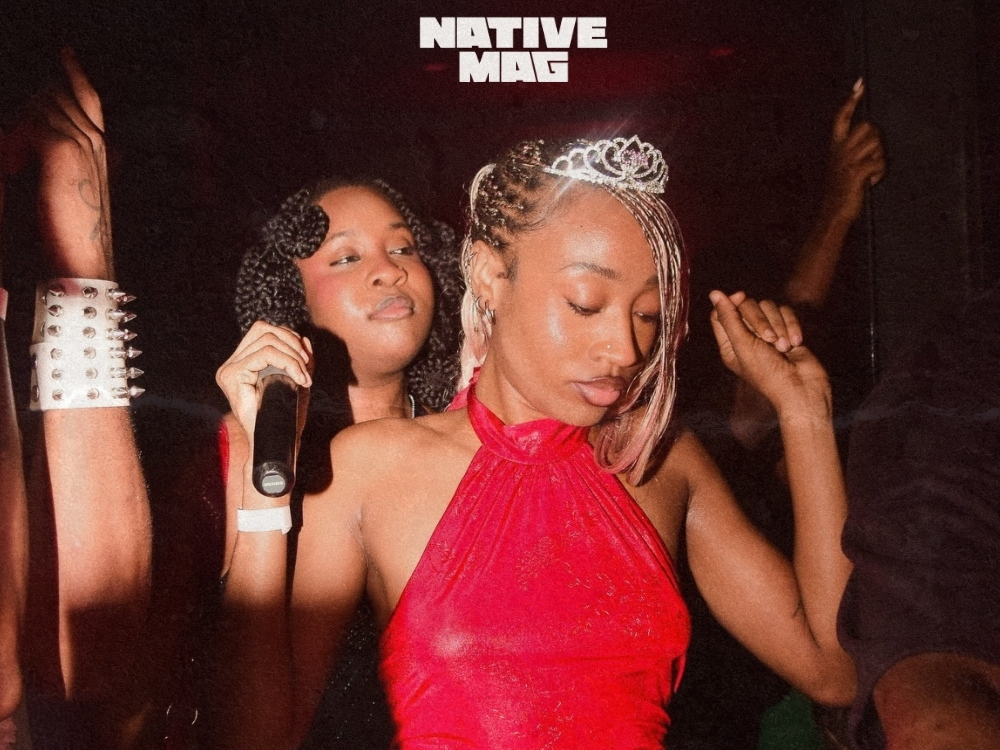
This technological integration is further realized at F0M0 in Victoria Island. As Lagos’ first AI-powered nightclub, F0M0 utilizes real-time generative visuals and adaptive soundscapes that respond to the collective energy of the crowd. This represents a significant maturation of the Lagos nightlife industry, moving from passive entertainment to an interactive, data-driven experience.
Retail as a Cultural Statement
The Homecoming Concept Store remains a critical fixture in the city. It serves as a physical manifestation of the brand’s ethos: facilitating cultural exchange between Nigerian talent and the global diaspora. The store functions as a gatekeeper of contemporary aesthetics, showcasing high-end fashion, design, and music in a space that is as much an exhibition as it is a retail outlet.
Parallel to this, establishments like Sleek’s Matcha and Dirty Buns have utilized culinary curation to build community. In the case of Dirty Buns, the rejection of the digital-first delivery model in favor of a strict walk-in policy is a deliberate act of community building. By forcing physical presence, the brand has created a social "anchor" in Ikoyi, where the consumption of food is inseparable from the social atmosphere.
Implications for Urban Identity
The proliferation of these spaces has far-reaching implications for how Lagos is perceived both locally and internationally. First, the formalization of these hubs provides a professional roadmap for young creatives. When venues like Polygon or Suudu Lagos provide platforms for album launches, vinyl listening sessions, and art exhibitions, they are legitimizing the creative economy as a viable career path rather than a hobby.
Second, the geographic concentration of these venues in Ikoyi and Victoria Island is shaping the future of urban development in Lagos. There is a palpable shift toward walkable, multi-use districts where residents can live, work, and recreate within a condensed radius. Urban planners and local government authorities are beginning to recognize that these "third spaces" are not just businesses; they are essential social infrastructure that contributes to the city’s overall "livability" index.
Expert Analysis and Future Outlook
Industry observers note that the success of these spaces depends on their ability to maintain authenticity while scaling. "What we are seeing," says a local analyst, "is the transition of Lagos from a city of consumption to a city of creation. The spaces that will survive in the next decade are those that curate an experience, not just a product."
The challenge for these hubs will be to resist the inevitable commercial pressures that come with success. As neighborhoods like Ikoyi become increasingly saturated, the cost of entry for new, independent creative spaces will rise. Consequently, the role of these existing venues in mentoring the next generation of curators and entrepreneurs becomes paramount.
Furthermore, the integration of technology—as seen in F0M0 and other digital-forward venues—is likely to expand. The synthesis of traditional African hospitality with cutting-edge environmental control and generative media is positioning Lagos as a pioneer in the global "nighttime economy."
Conclusion
The new cultural hubs of Lagos are more than just trendy locations; they are the physical manifestations of a city finding its new identity. They represent a synthesis of traditional Nigerian communal values and the globalized, tech-forward demands of the 21st-century youth. By providing homes for skaters, artists, tech-founders, and fitness enthusiasts, these spaces are weaving a complex, resilient social fabric. As Lagos continues to expand, these institutions will likely remain the pulse of the city, dictating the tempo of its future, the aesthetic of its present, and the collective memory of its people. The shift is complete: Lagos is no longer just a city in motion—it is a city with a focused, deliberate, and undeniably creative trajectory.