The European Union continues to hemorrhage approximately €13 billion annually in public revenue due to a booming illicit tobacco trade, driven by uncoordinated enforcement and a patchwork of national regulations. A comprehensive special report released Tuesday by the European Court of Auditors (ECA) reveals that nearly one in ten cigarettes consumed across the 27 member states in 2023 was either smuggled or manufactured illegally within the bloc’s borders. The findings expose critical data gaps and administrative divides that systematically undermine the World Health Organization (WHO) Framework Convention on Tobacco Control (FCTC) Protocol to Eliminate Illicit Trade in Tobacco Products.
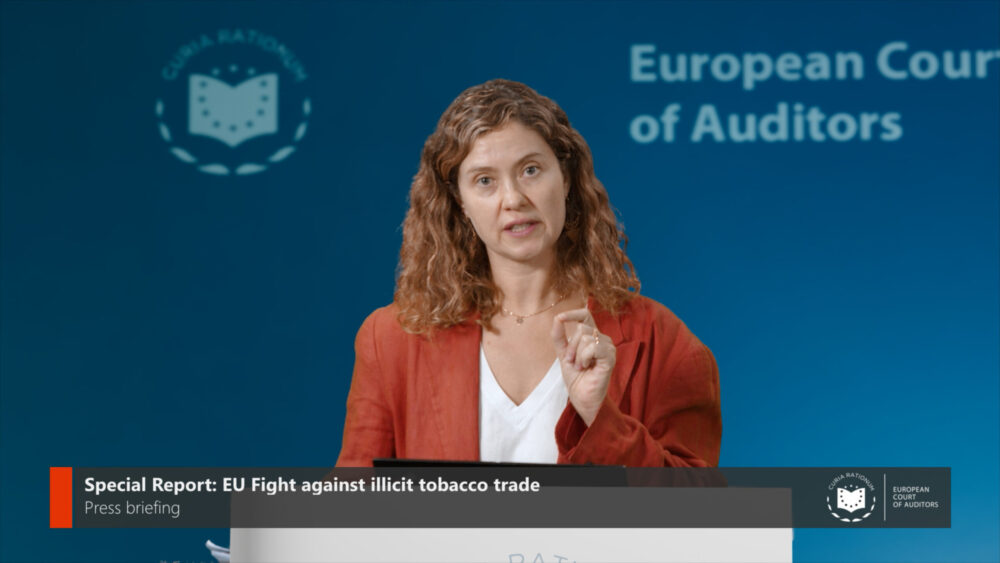
Lead auditor Petri Sarvamaa delivered a blunt assessment during a Brussels press briefing, emphasizing that organized crime syndicates are outmaneuvering European authorities. "Criminals are succeeding because gaps remain in coordination, information, and enforcement," Sarvamaa stated. The report stresses that the European Commission must urgently intervene by establishing a unified strategic framework, standardizing market monitoring protocols by 2029, and enforcing strict transparency rules regarding interactions with tobacco manufacturers by 2028.

Chronology and Regulatory Evolution: From External Smuggling to Internal Manufacturing
For decades, the European illicit tobacco market was characterized primarily by external smuggling routes, with counterfeit and contraband products moving across Eastern European borders from non-EU nations such as Ukraine and Belarus. However, European enforcement agencies have documented a major structural shift over recent years. Organized crime syndicates have increasingly relocated their manufacturing operations directly into the single market, establishing clandestine production facilities closer to lucrative consumer centers to evade external customs controls.
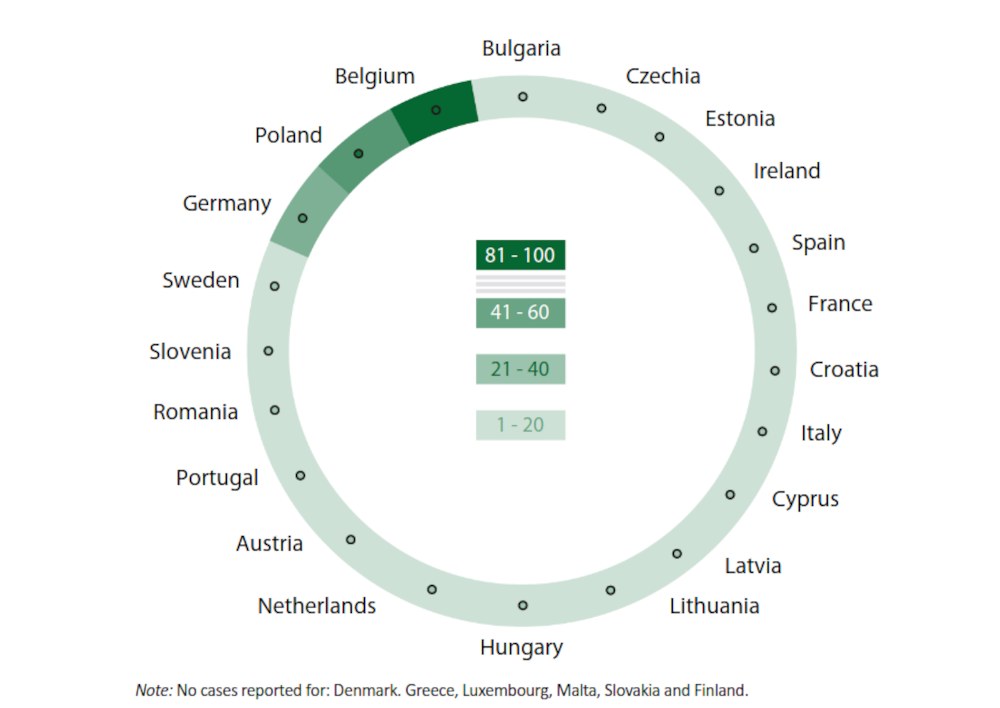
Task leader Esther Torrente Heras highlighted the alarming proliferation of these facilities during the press presentation, noting that illegal production sites have been detected in almost every member state. These illicit operations exploit divergent national legal systems, moving their production machinery to jurisdictions where penalties are weakest and investigative authorities possess limited search and seizure capabilities. While countries like Belgium and Poland grant customs agencies advanced police powers—including warrantless search capabilities to raid suspicious properties—nations such as Romania remain restricted primarily to administrative inquiries. This legal fragmentation creates a continuous cycle of regulatory arbitrage, allowing criminal networks to easily adapt to localized law enforcement pressures.
The Emerging Threat of Unregulated Novel Nicotine Products
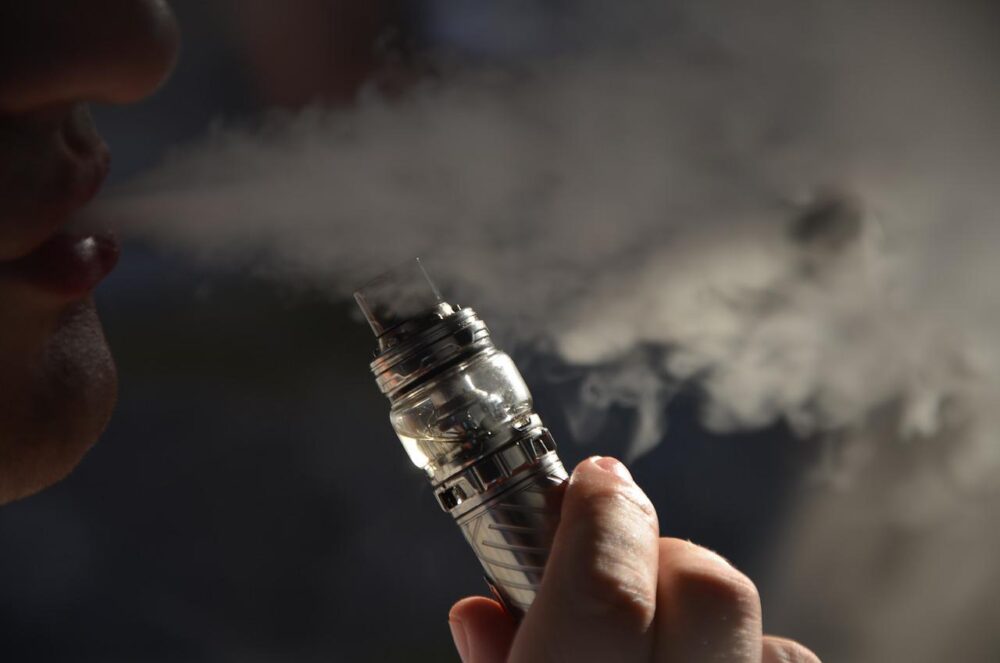
Compounding the crisis is a massive expansion in the market value of novel nicotine products, which now account for an estimated 13% of the total tobacco and nicotine market in the European Union. Heated tobacco products and electronic cigarettes have surged in popularity, particularly among younger demographics, but their rapid ascent has far outpaced the EU’s legislative frameworks.
Because tobacco-free nicotine alternatives—such as nicotine pouches—remain largely excluded from current EU tobacco control directives, they occupy a massive regulatory vacuum. Furthermore, the absence of harmonized EU tax definitions for e-cigarettes has led member states to implement widely varying excise duties. This fiscal fragmentation has fueled a lucrative parallel black market.
The scale of this underground market was recently underscored by a large-scale joint customs operation coordinated across 30 countries by the European Anti-Fraud Office (OLAF). The operation led to the seizure of over 94 million individual items, alongside thousands of kilograms and liters of illicit e-cigarettes, vaping devices, and related consumer products. Beyond tax evasion, these products present severe public health hazards. Manufactured completely outside regulated supply chains, illicit vaping liquids frequently contain excessive, unregulated nicotine concentrations and toxic chemical compounds that bypass basic European safety and composition standards.
Administrative Silos and Opaque Manufacturer Agreements
The ECA report sharply criticizes the administrative division within national governments, where finance ministries and health ministries frequently operate in isolation. This division often excludes customs and law enforcement agencies from vital policy discussions, directly hampering coordinated operations across the single market.

Compounding this administrative friction is the widespread use of bilateral, confidential Memorandums of Understanding (MoUs) between approximately half of the EU member states and major multinational tobacco manufacturers. First introduced in 1999 through an agreement between Philip Morris International and Italian authorities, these voluntary pacts were designed to assist customs officials in verifying counterfeit machinery and sharing market intelligence.
However, the auditors warn that these opaque arrangements violate the spirit—and potentially the letter—of global health rules. Under the WHO FCTC protocol, governments are strictly prohibited from delegating supply chain control authority to tobacco companies or engaging in partnerships that compromise regulatory independence. Because these MoUs lack public oversight, it is impossible to verify whether they comply with international standards designed to prevent corporate interference in public policy. Torrente Heras stressed that any future operational cooperation must strictly align with international transparency mandates enforced by the World Health Organization.
Legislative Stalemate and the Raw Tobacco Loophole
Efforts to modernize fiscal oversight at the EU level have faced severe legislative bottlenecks. Last year, the European Commission proposed a comprehensive recast of the Tobacco Taxation Directive to update fiscal rules and close black market avenues. However, because tax harmonization requires unanimous agreement among all 27 member states under a special legislative procedure, progress within the Council of the European Union has stalled indefinitely.
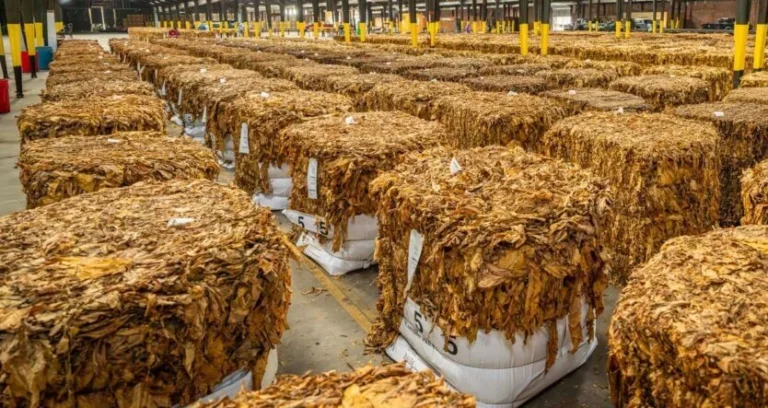
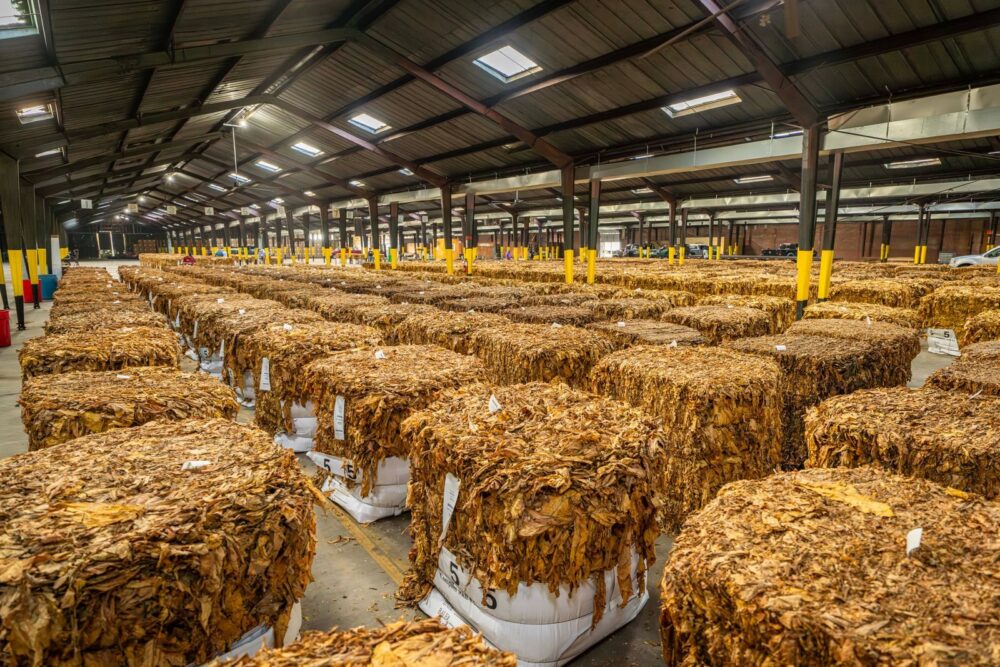
This legislative gridlock has left raw tobacco—the primary ingredient for illicit manufacturing—largely unregulated at the European level. Without a unified oversight mechanism, cross-border shipments of bulk raw tobacco leaves circulate freely between member states without triggering mandatory EU customs tracking, as they are not classified as manufactured tobacco products. Organized crime syndicates readily exploit this loophole, transporting raw leaves and heavy industrial processing machinery across internal borders with minimal risk of interception.
To plug this gap, the Commission’s stalled reform proposal seeks to integrate raw tobacco into the Excise Movement and Control System (EMCS). This real-time digital monitoring network would require commercial operators to register shipments and report cross-border movements electronically, while exempting primary agricultural producers who only perform basic drying and curing processes.
Divergent Stances on Taxation and Public Health
A notable friction point highlighted by the audit centers on tobacco taxation strategies. While the ECA report recommends a robust suite of enforcement, monitoring, and administrative measures to suppress the illicit trade, it stops short of endorsing higher excise taxes. The report notes that elevated tax rates inherently create greater financial incentives for tax avoidance and smuggling.
When questioned by Health Policy Watch regarding this stance, lead auditor Sarvamaa explained that the court lacked sufficient empirical data to definitively analyze how tax thresholds directly stimulate smuggling activity. "We do not have the grounds for starting to analyse how much the tax level is a factor in this problem," Sarvamaa stated.
This perspective stands in contrast to established guidance from the World Health Organization. The WHO explicitly advocates for higher excise taxes as a core public health intervention to curb consumption, noting in its technical manuals that well-governed nations with high tax rates consistently experience lower smuggling rates than low-tax jurisdictions. Public health advocates argue that complete tax harmonization across the EU would eliminate the price disparities that fuel cross-border arbitrage, rendering illicit operations far less profitable.
Broader Implications and Strategic Imperatives
The findings of the European Court of Auditors place immense pressure on the European Commission to overhaul its approach to transnational crime and public health governance. With the current enforcement framework deemed inadequate, Brussels faces a formidable challenge to establish reliable, independent market monitoring mechanisms and accurate black market estimations ahead of the 2029 target date.
Ultimately, defeating the illicit tobacco trade requires transitioning away from a fractured, state-by-state defensive posture toward a unified, binding European strategy. By breaking down national administrative silos, enhancing customs enforcement powers, and curbing industry interference, the European Union can hope to reclaim billions in lost revenue, protect vulnerable populations from dangerous counterfeit goods, and safeguard public health. As Sarvamaa concluded, "The criminals have a good strategy obviously, and I think that we need one too. Tackling the illegal tobacco trade is about much more than recovering lost tax revenue."