As global health delegates prepare to convene in Geneva for the eighth round of negotiations on a critical annex to the World Health Organization (WHO) Pandemic Agreement, deep ideological fractures threaten to unravel years of multilateral diplomacy. At the heart of the standoff is the Pathogen Access and Benefit-Sharing (PABS) system, a proposed mechanism intended to govern how nations share samples and genetic sequence data of dangerous pathogens, as well as the life-saving medical countermeasures developed from them.
Despite four years of exhaustive deliberations preceding the current framework and an additional year dedicated exclusively to the PABS annex, substantive progress remains elusive. The protracted deadlock has effectively stalled the implementation of the broader Pandemic Agreement, which was formally adopted by the World Health Assembly in May 2025. Until member states can reach a consensus on the PABS annex, the entire pact remains in limbo, unable to be opened for formal state ratification. This institutional paralysis unfolds against a backdrop of mounting global health vulnerabilities, characterized by active outbreaks of mpox, rapid climate-driven shifts in disease vectors, and what is currently recorded as the fastest-evolving Ebola outbreak in the Democratic Republic of Congo.
The Core Divide: Two Competing Visions for Global Health
The current negotiations are defined by a fundamental philosophical and structural polarization between two distinct political blocs. On one side stands the European Union (EU), advocating for a flexible, market-friendly approach designed to ensure the rapid, unhindered flow of scientific information during public health emergencies. On the other side is a powerful coalition comprising the Africa Group and the 33-nation Group for Equity, which together represent over 80 developing countries determined to secure binding, enforceable guarantees against global health inequities.

The Africa Group champions a federated model built on national sovereignty. Under this framework, regional nodes would retain strict control over the biological data and physical samples of local pathogens. Pharmaceutical manufacturers would be legally required to sign binding benefit-sharing contracts with the WHO before gaining access to these resources. This demand is rooted in the bitter lessons of the COVID-19 pandemic, during which nations in the Global South rapidly shared vital pathogen samples only to find themselves at the back of the queue for vaccines, diagnostics, and therapeutics.
In December 2025, this coalition escalated its position at the Intergovernmental Working Group (IGWG) negotiations by submitting standardized draft contracts. These proposals tie pathogen access directly to mandatory benefit-sharing obligations, requiring drugmakers to pay system subscriptions, engage in mandatory technology transfers, and grant non-exclusive licenses for pandemic-related health products.
Conversely, the EU promotes a hybrid model utilizing multi-tiered pathways and open-access databases. Under the EU’s vision, pharmaceutical developers would enter into private agreements with the WHO committing to donate a minimum of 10% of real-time production for vaccines, therapeutics, and diagnostics during public health emergencies of international concern (PHEIC), while reserving an additional 10% for the organization at cost. However, EU negotiators strongly resist incorporating intellectual property restrictions or applying the strict sovereignty principles of the 1992 United Nations Convention on Biological Diversity (CBD) to pathogen sharing. EU officials argue that treating lethal viruses and bacteria as sovereign commodities under CBD-style rules introduces bureaucratic and legal bottlenecks that are entirely unsuited for rapid emergency response.
The Diplomatic Standpoint and Warnings of Deadlock
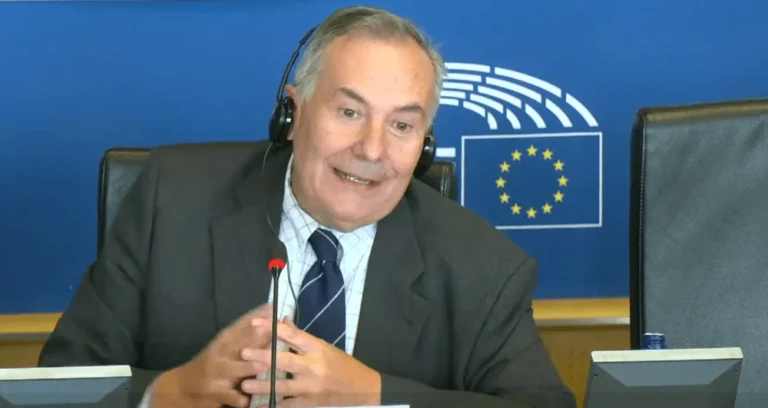
The tension surrounding these divergent philosophies spilled into public view during a European Parliament subcommittee briefing on September 7, 2026. Addressing lawmakers, Americo Zampetti, Minister Counsellor for Global Health at the EU Delegation to the United Nations, delivered a blunt assessment of the diplomatic impasse.

"We are in a world which is very polarized across this particular issue," Zampetti told the parliamentary briefing. "The whole agreement, let’s say the mother agreement, is kept hostage by this annex which is very, for lack of a better word, ideologically driven."
Zampetti characterized the developing nations’ demands as an overly rigid, "transactional approach" that is ill-suited to achieving positive public health outcomes. He emphasized the necessity for pragmatic compromise, warning that treating pathogens through the lens of traditional commercial resource-sharing fails to recognize the unique biological reality of infectious diseases. "Pathogens are not something that you want to conserve," Zampetti noted, contrasting global health security imperatives with traditional environmental conservation treaties.
Despite these sharp divisions, both negotiating models share a common technical foundation. They rely heavily on the WHO Coordinated Laboratory Network for physical samples, recognized international sequence databases, and Unique Persistent Identifiers designed to ensure end-to-end traceability of pathogen resources. Yet, the political and legal frameworks governing these technical systems remain fundamentally irreconcilable in their current forms.
Alternative Proposals and the Threat of Bilateral Fragmentation
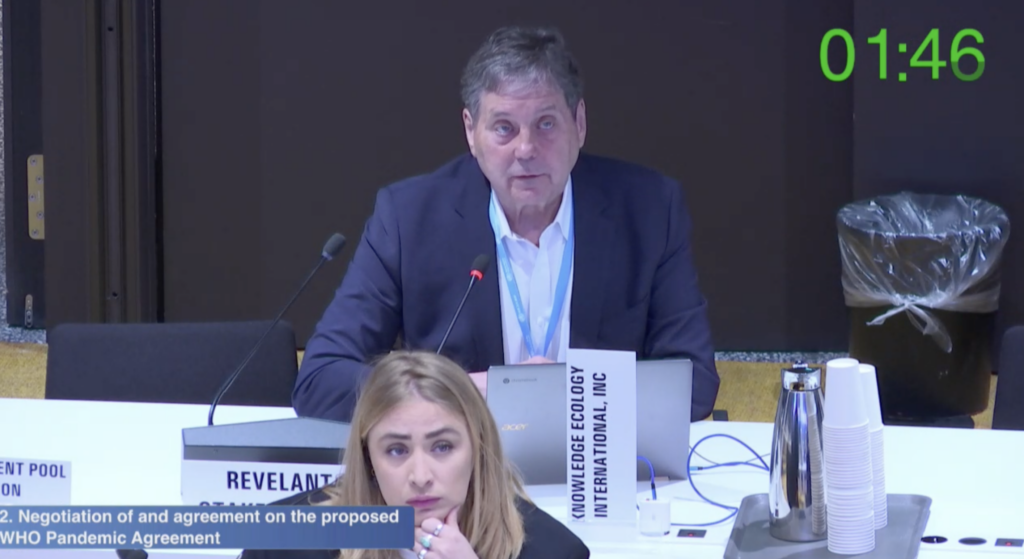
As formal negotiations labor forward, external policy experts and non-governmental organizations have stepped forward with alternative frameworks to break the stalemate. In a policy brief issued in September 2026, Jamie Love, director of Knowledge Ecology International (KEI), argued that traditional quid pro quo mechanisms linking pathogen access directly to equity concessions suffer from fatal structural flaws.

Love pointed out that modern researchers do not always rely on official PABS channels to access pathogens or their digital sequence information. As commercial entities and academic institutions increasingly bypass formal multilateral pathways, companies lose any practical incentive to enter into concessionary manufacturing agreements. Furthermore, Love highlighted the technical challenges posed by artificial intelligence, noting that with the rapid advancement of machine learning, tracing whether a specific, locally identified pathogen sequence contributed deterministically to an AI-generated candidate immunogen or molecule is technically intractable.
To circumvent these hurdles, KEI has proposed a decoupling strategy: rather than conditioning access to materials and sequences on upfront contracts, countries should mandate that pharmaceutical manufacturers secure contracts with the WHO as a mandatory condition for registering and selling pandemic-related products within their domestic markets.
Simultaneously, global health academics have raised alarm bells regarding the growing proliferation of bilateral agreements. In a recent commentary published in The Lancet, researchers warned that protracted delays in the WHO negotiations are actively encouraging powerful nations to bypass multilateral frameworks entirely. The United States, for instance, has actively pursued bilateral health pacts with developing nations, offering targeted health aid and financial support in exchange for rapid, unconditioned access to local outbreak data.
Analysts warn that such bilateral arrangements threaten to erode the collective bargaining power of low- and middle-income countries, fragmenting global health security into a patchwork of unequal, self-serving deals that undermine the foundational goals of the Pandemic Agreement.
Implications for Future Global Health Security
The stakes for the upcoming eighth round of IGWG talks, scheduled for September 14–18, 2026, at WHO headquarters in Geneva, could hardly be higher. The World Health Assembly has already extended the timeline for final adoption to its May meeting, but patience among member states is wearing thin.
If negotiators fail to bridge the ideological gap between sovereign benefit guarantees and open-access pragmatism, the WHO Pandemic Agreement risks becoming an empty shell—a landmark treaty crippled before birth by its inability to govern the very materials that initiate pandemics. For the international community, the unfolding crisis highlights an urgent choice: either find a workable, flexible compromise that reconciles equitable burden-sharing with scientific speed, or watch the fragile architecture of global health multilateralism fracture under the pressure of geopolitical and ideological division.