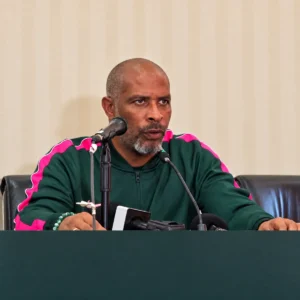
The intersection of contemporary Afrogospel music, cinematic storytelling, and urban Nigerian reality has yielded a striking new visual project. Afrogospel sensation Greatman Takit has officially released the high-concept music video and visualiser for "ADML," a deeply personal and reflective track from his expansive 23-track sophomore album, Flames Of A Wildfire. Directed by renowned music video auteur TG Omori, the project transforms a narrative of grit, resilience, and divine intervention into a sweeping cinematic experience. The release brings to life the multifaceted realities of navigating hardship in the bustling metropolis of Lagos, charting a course from the relentless pursuit of survival in chaotic traffic to the lofty heights of exclusive, high-society art auctions.
With a star-studded cast featuring special cameo appearances by clergyman and musician Pastor Emmanuel Iren and acclaimed Nollywood actor Daniel Etim Effiong, the visualiser goes beyond standard music video tropes. It offers a rich tapestry of Yoruba cultural elements, spiritual symbolism, and dramatic character arcs. As the contemporary Nigerian gospel scene continues to experience a massive commercial and cultural renaissance, projects like "ADML" signal a growing shift toward high-production-value visual storytelling that mirrors secular mainstream standards while retaining a distinct spiritual core.
The Genesis of Flames Of A Wildfire and the Significance of ADML
Released on July 24, 2026, Greatman Takit’s Flames Of A Wildfire stands as one of the most ambitious musical projects in the contemporary African gospel landscape. Spanning an impressive 23 tracks, the album solidifies the artist’s unique sonic identity, which seamlessly fuses the infectious rhythms of Afrobeats, the lyrical cadence of rap, and the emotive depth of Christian worship. Within this massive body of work, "ADML" holds a particularly intimate place.
The title itself is derived from "Ademola," a prominent part of Greatman Takit’s given birth name, anchoring the song in personal history and vulnerability. Lyrically, the track serves as an autobiographical and spiritual reflection on seasons of profound hardship, economic uncertainty, and the quiet resilience required to persevere when human strength is completely exhausted. It highlights the concept of divine mercy and the unseen hands of providence—often referred to in Nigerian parlance as a "destiny helper"—that alter the trajectory of a struggling individual’s life. Rather than sugarcoating the realities of struggle, "ADML" confronts vulnerability head-on, framing perseverance not merely as a test of willpower, but as a journey sustained by faith and divine grace.
A Visual Narrative: From Lagos Traffic to Elite Art Salons

Under the direction of TG Omori—widely celebrated for his distinct aesthetic, high-octane visual effects, and ability to translate complex narratives into compelling imagery—the story of "ADML" unfolds with dramatic precision. The visualiser opens in the heart of Lagos, a city notorious for its chaotic vehicular traffic and relentless commercial hustle. Here, the audience is introduced to the protagonist: a struggling young artist striving to make ends meet by hawking his handcrafted paintings directly to motorists trapped in gridlock.
This opening sequence captures a stark and authentic slice of Nigerian urban life, where immense creative talent often languishes in obscurity due to a lack of structural platforms and financial capital. The artist’s fortunes, however, take a miraculous turn following an unexpected encounter with a destiny helper—a trope deeply embedded in cultural and spiritual consciousness that signifies a pivotal, life-altering connection.
From the grimy, sun-baked asphalt of Lagos traffic, the narrative abruptly shifts to an exclusive, high-society art auction house. In this opulent setting, wealthy art collectors and societal elites fiercely bid on the very same paintings that were minutes earlier being hawked on the streets for survival. This sharp juxtaposition underscores themes of validation, hidden worth, and sudden elevation. The visual metaphor resonates deeply within a society where many talented youths feel invisible, suggesting that true value is often unrecognized until it is placed in the right environment before the right audience.
Spiritual Depth and Star-Studded Cameos
While the material transformation of the artist forms the core of the external narrative, the visualiser for "ADML" places equal emphasis on an internal, spiritual journey. Scenes of intense struggle and eventual triumph are juxtaposed with deeply spiritual imagery, including open-water baptism, contemplative prayer, and moments of communal worship. These elements ground the narrative in the foundational ethos of Afrogospel—a genre dedicated to celebrating faith without compromising contemporary musicality.
Adding significant gravitas to these spiritual scenes are high-profile cameo appearances. Pastor Emmanuel Iren, a prominent Nigerian clergyman, recording artist, and cultural leader, makes a powerful appearance in the video. In a climactic and emotionally resonant scene, Pastor Iren is depicted laying hands on Greatman Takit in prayer, bridging the gap between artistic performance and authentic spiritual ministry.
Furthermore, the inclusion of renowned Nollywood actor Daniel Etim Effiong adds cinematic weight to the high-society auction scenes. Effiong’s presence, alongside other notable actors and extras, elevates the production quality, transforming what could have been a standard performance video into a short-form cinematic masterpiece. The synergy between Takit’s musical delivery, Omori’s visionary direction, and the powerhouse performances of guest stars like Iren and Effiong creates a multi-layered viewing experience that speaks to diverse audiences.

Cultural Synthesis and TG Omori’s Directorial Vision
TG Omori’s direction of "ADML" further cements his reputation as a master storyteller within the African music video ecosystem. Known for his meticulous attention to detail, striking color grading, and penchant for symbolic set design, Omori weaves rich Yoruba cultural motifs throughout the project. Traditional carvings, indigenous textiles, and culturally specific spatial designs are seamlessly integrated into the contemporary settings, creating a visual dialogue between heritage and modernity.
This cultural synthesis is particularly vital for a gospel artist operating in the mainstream space. By rooting the universal themes of suffering, grace, and redemption in distinctly Nigerian and Yoruba contexts, Greatman Takit and TG Omori have crafted a project that feels both deeply local and globally accessible. The visual transitions—moving fluidly from the dusty, chaotic streets of Lagos to pristine, high-art galleries and serene baptismal waters—demonstrate a sophisticated grasp of narrative pacing. Every frame serves to reinforce the central thesis of "ADML": that human potential, when aligned with divine purpose, can transcend the most restrictive socioeconomic boundaries.
Broader Impact and Implications for the Afrogospel Movement
The release of the "ADML" visualiser arrives at a critical juncture for the African music industry. Over the past half-decade, the Afrogospel genre has transitioned from a niche subculture within the broader Nigerian gospel music ecosystem into a global commercial force. Artists like Limoblaze, Testimony Jaga, and Greatman Takit have successfully bridged the gap between church culture and mainstream secular appeal, proving that messages of faith can be delivered over heavy Afrobeats percussion, slick rap flows, and world-class production.
Projects like Flames Of A Wildfire and visual markers such as the "ADML" video play a crucial role in this ongoing evolution. By investing heavily in high-end visual production, cinematic storytelling, and cross-industry collaborations—such as partnering with top-tier directors like TG Omori and mainstream acting talent like Daniel Etim Effiong—gospel artists are actively dismantling historical biases that framed Christian entertainment as low-budget or artistically inferior.
Industry analysts note that this strategic alignment with mainstream production standards not only expands the demographic reach of Afrogospel music but also attracts corporate sponsorships and international media attention. As "ADML" continues to garner views, streams, and critical acclaim across digital platforms, it sets a new benchmark for how spiritual narratives can be commercially packaged without losing their core message of hope, resilience, and faith. For Greatman Takit, the visualiser is more than a promotional tool for an album track; it is a visual testimony of a journey marked by trial, refined by faith, and ultimately elevated to a global stage.