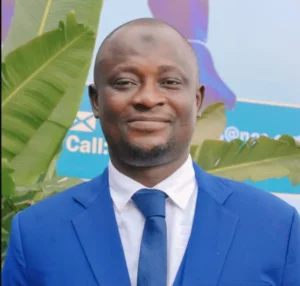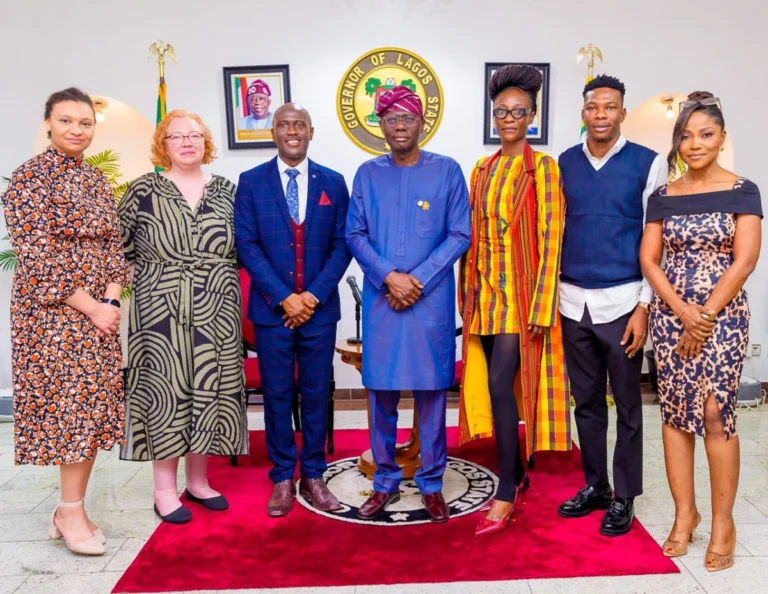
Lagos State Governor Babajide Sanwo-Olu has lauded the management of Westerfield College for attaining a historic milestone, becoming the first wholly African-owned educational institution to successfully establish and operate a full campus in the United Kingdom. The commendation was delivered at the Marina House in Lagos during a high-level courtesy visit by the Chief Executive Officer of Westerfield College, Michael Dosunmu, alongside his core management team.
The strategic engagement formed a central part of commemorative activities marking the institution’s one-year anniversary of its international expansion, as well as its active participation in the annual International Education Fair (IEF) and the prestigious School Leaders and Teachers Conference (SLTC 2026). During the interactive session, Governor Sanwo-Olu underscored the profound significance of the achievement, noting that Nigerian youth and indigenous educational enterprises continue to break barriers, redefine global standards, and project a positive image of Lagos and Nigeria on the international stage.
The landmark expansion of Westerfield College into the British educational landscape serves as a testament to the growing capacity of African educational entrepreneurs to export high-quality learning models beyond the continent. By bridging domestic academic frameworks with globally recognized British standards, the institution has created a unique bridge for international student mobility. Governor Sanwo-Olu emphasized that this remarkable feat enhances Nigeria’s international reputation in the education sector, proving that local institutions possess the strategic vision, administrative competence, and academic rigor required to compete favorably in highly regulated Western markets.
Chronology of Expansion and Institutional Milestones
The journey of Westerfield College from a leading domestic sixth-form provider to an international academic institution represents a carefully planned trajectory of growth and institutional maturity. Founded in Nigeria as a specialized pathway provider for students transitioning from secondary education to top-tier universities worldwide, the college built a solid reputation for academic excellence, exceptional university placement records, and comprehensive student support systems.
Building upon years of successful domestic operations, the college leadership initiated strategic internationalization plans to broaden its geographical footprint and offer its student body direct access to Western academic environments. These multi-year preparations culminated in 2025 with the official opening of the Westerfield College campus in the United Kingdom. This historic development shattered long-standing paradigms in international education, marking the first time an entirely African-owned and managed educational institution established a physical operational base on British soil.
Following the successful launch and stabilization of its UK operations throughout 2025, the institution entered its first anniversary milestone in 2026. To mark this occasion and further solidify its commitment to cross-border educational collaboration, the college leadership engaged in key stakeholder meetings, academic conferences, and promotional tours, including the high-profile visit to the Lagos State Governor. The ongoing engagements highlight a continuous effort to align private educational initiatives with governmental visions for human capital development.

Alignment with Lagos State’s THEMES+ Agenda
Governor Sanwo-Olu’s commendation of Westerfield College is deeply rooted in the broader framework of the Lagos State Government’s developmental blueprint, known as the THEMES+ agenda. Within this comprehensive governance strategy, education and technology serve as foundational pillars designed to empower the state’s burgeoning youthful population and prepare them for the demands of a rapidly evolving global economy.
The governor reiterated his administration’s unwavering commitment to inclusive educational policies, stressing that no child in Lagos State should be left behind or denied access to foundational learning opportunities. To bridge existing infrastructure gaps and accommodate a rapidly growing school-age population, the Lagos State Government has accelerated its capital investments in the education sector. A prime example of this infrastructural push is the upcoming commissioning of 36 new state-of-the-art public schools in the Tolu area of Ajegunle. These new educational facilities are designed to expand access to modern, conducive classrooms, thereby reducing out-of-school rates and improving the overall learning environment for children in underserved communities.
Beyond basic and secondary education, the state has recorded monumental structural shifts within its tertiary education landscape. Historically, Lagos State managed a single state-owned university. However, under the current administration, this capacity has been strategically expanded to three fully functional state universities—namely, Lagos State University (LASU), Lagos State University of Education (LASUED), and Lagos State University of Science and Technology (LASUSTECH). To ensure rigorous administrative oversight, quality assurance, and sustainable growth across these expanded higher education institutions, the state government also established a dedicated Ministry of Tertiary Education. Governor Sanwo-Olu noted that while substantial progress has been achieved, continuous institutional restructuring remains vital to future-proof the state’s educational ecosystem.
Westerfield College UK: Academic Offerings and Global Integration
During the courtesy visit, Mr. Dosunmu and his management team provided detailed briefings on the institutional framework and upcoming programs designed for the institution’s British campus. Launched in 2025, Westerfield College UK has successfully integrated traditional British academic standards with a personalized, student-centered support model tailored to meet the diverse needs of international and domestic students alike.
The curriculum on the UK campus encompasses a wide array of globally recognized academic pathways, including Cambridge A-Levels, comprehensive University Foundation Programmes, and specialized Pre-Medicine tracks. These programs are specifically engineered to facilitate seamless university progression outcomes, equipping students with the critical thinking, research skills, and academic qualifications required for admission into competitive degree programs across the United Kingdom, Europe, and North America.
In addition to traditional academic qualifications, the institution places a strong emphasis on holistic student enrichment. A focal point of the presentation to Governor Sanwo-Olu was the upcoming Westerfield College UK Summer Camp Programme, scheduled to run in Worcester across three distinct cohorts: July 20 to August 1, August 3 to 15, and August 17 to 29.

The immersive summer camp is meticulously structured to provide participating students with deep exposure to British culture, leadership development workshops, competitive sports, cultural exchange activities, university tours, and international networking opportunities. Furthermore, the program features specialist academic tracks spanning diverse disciplines such as Science, Technology, Engineering, and Mathematics (STEM), Pre-Medicine, Business and Law, Computing and Coding, and Arts and Humanities.
According to Mr. Dosunmu, the summer initiative is strategically designed to build self-confidence, foster global awareness, and cultivate essential leadership capabilities among young participants while simultaneously introducing families to the intricacies and benefits of the British educational system.
Broader Impact and Implications for African Education
The successful establishment of a UK campus by an African-owned educational institution carries profound implications for the continent’s educational diplomacy, economic competitiveness, and intellectual standing on the global stage. Historically, educational migration has operated predominantly as a one-way channel, with African students traveling abroad in search of Western credentials. Westerfield College’s expansion effectively reverses this historical asymmetry, demonstrating that African educational institutions can successfully export their operational philosophies, pedagogical expertise, and brand identities into Western markets.
This cross-border institutional footprint serves multiple strategic functions. First, it validates the quality and resilience of indigenous educational management models. By operating within the stringent regulatory, quality assurance, and legal frameworks of the United Kingdom, Westerfield College has established a benchmark that other African institutions can emulate. Second, it enhances educational mobility and cultural reciprocity, ensuring that students from Africa and the diaspora can access internationalized learning environments that respect their cultural backgrounds while maintaining globally competitive academic standards.
Furthermore, the synergy between private educational innovation, exemplified by institutions like Westerfield College, and public sector commitment to human capital development, as championed by the Lagos State Government, highlights a collaborative pathway for future progress. As African nations continue to grapple with youth demographic explosions and the demand for knowledge-driven economies, strategic partnerships and institutional expansion beyond continental borders will play an increasingly vital role in shaping resilient, globally competitive future generations. The recognition by Governor Sanwo-Olu underscores the pivotal role that visionary private enterprises play in complementing governmental efforts to position Nigeria as a formidable hub of intellectual excellence and global leadership.