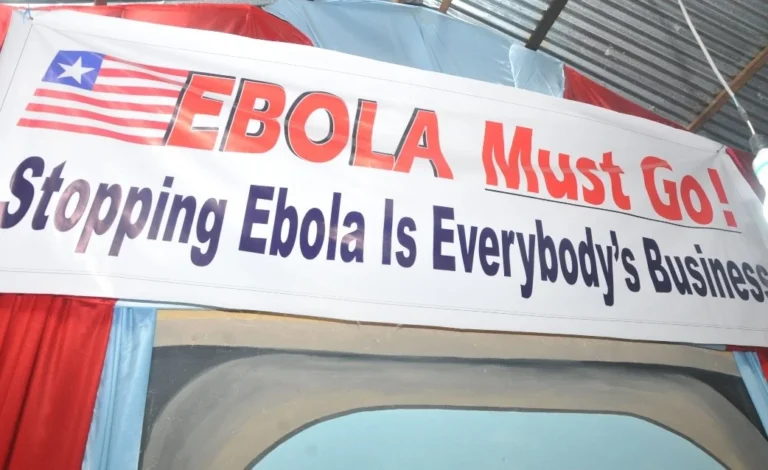
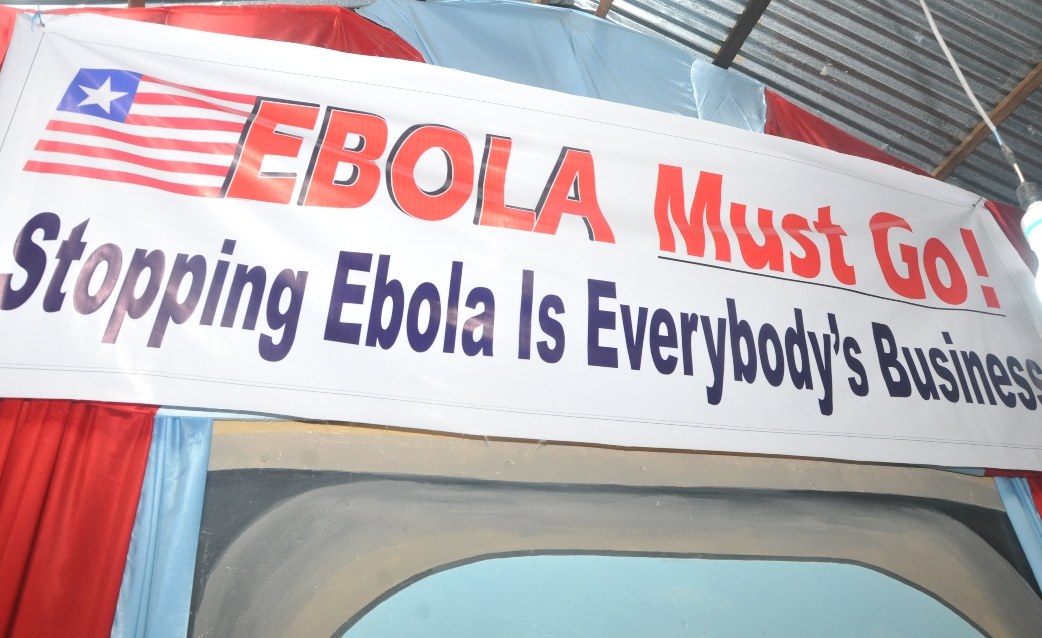
Ten years have passed since the West African Ebola epidemic of 2014–2016, a period that stands as one of the most harrowing chapters in modern medical history. As the world continues to navigate the complexities of global health security, Liberia—the country once at the epicenter of the catastrophe—has emerged as a definitive case study in institutional memory and community-led response. In a recent dialogue hosted by The Lancet’s World Report, Gregory T. Blamoh, Secretary General of the Liberia National Red Cross Society (LNRCS), reflected on the decade-long evolution of the nation’s health infrastructure, emphasizing that the scars of 2014 have been systematically converted into a robust roadmap for future crisis management.
The Chronology of a Crisis
The Ebola Virus Disease (EVD) outbreak in Liberia began in early 2014, following its initial emergence in neighboring Guinea in late 2013. By March 2014, the virus had crossed the border, and by the summer of that year, the scale of the transmission had overwhelmed the country’s fragile post-conflict health system. At the peak of the epidemic, Liberia faced a near-total collapse of essential services.
The crisis reached its zenith in August and September 2014, when the number of new cases per week was doubling at an exponential rate. Hospitals were shuttered, fear permeated the streets, and the sheer volume of fatalities threatened the social fabric of the nation. It was not until May 2015 that the World Health Organization (WHO) declared Liberia free of Ebola transmission, though subsequent small flare-ups required vigilance until the virus was finally contained in early 2016. In total, the epidemic claimed over 11,000 lives across West Africa, with Liberia suffering the highest mortality rate of the three most affected nations—Liberia, Sierra Leone, and Guinea.
The Four Pillars of the Red Cross Response
The recovery and subsequent preparedness of Liberia were not the result of top-down mandates alone; they were built upon the foundational work of the LNRCS. During the darkest months of the outbreak, the organization implemented four core interventions that have since become standard protocol for health emergencies in the region:
- Safe and Dignified Burials: Because Ebola is highly contagious post-mortem, traditional burial rites—which involve washing and touching the deceased—became the primary driver of community spread. The LNRCS mobilized 240 specialized volunteers who managed 3,820 burials. These teams operated in full Personal Protective Equipment (PPE), navigating the tension between clinical safety and cultural sensitivity to minimize transmission while respecting the bereaved.
- Risk Communication: In an environment rife with fear and misinformation, Red Cross volunteers acted as trusted intermediaries. By engaging with traditional leaders and moving house-to-house, these volunteers successfully dismantled myths surrounding the disease, ensuring that communities understood the necessity of isolation and hygiene.
- Contact Tracing: The backbone of the containment strategy was the systematic identification and monitoring of individuals exposed to the virus. Volunteers tracked thousands of contacts over the mandatory 21-day incubation period, acting as the early warning system that prevented localized clusters from becoming national outbreaks.
- Psychosocial Support: The epidemic left behind a legacy of trauma. Recognizing that clinical recovery was only half the battle, the Red Cross integrated mental health support into their response, addressing the stigma faced by survivors and the grief of families who had been forced to bury their loved ones in unconventional, often isolated, ways.
Institutional Memory and Systemic Change
Gregory T. Blamoh’s assertion that "every Liberian is fully aware of Ebola" highlights a shift in public consciousness. Post-2014, the Liberian government, in partnership with international NGOs and local civil society, established the National Public Health Institute of Liberia (NPHIL). This agency was designed specifically to bridge the gap between emergency response and routine health surveillance.
The LNRCS has maintained a permanent network of trained volunteers across the country. These individuals are no longer just emergency responders; they are embedded community members equipped with the skills to conduct surveillance for various infectious diseases, including COVID-19 and Lassa fever. This "preparedness architecture" ensures that if a surge in a communicable disease occurs, the warning systems are triggered at the community level long before health facilities are overwhelmed.
Data and Impact: A Comparative Analysis
The data supports the efficacy of this decentralized approach. During the initial months of the 2014 outbreak, the delay between symptom onset and hospital admission averaged nearly 10 days. By the end of the crisis, thanks to the community surveillance networks, that window was reduced significantly, allowing for earlier intervention and better clinical outcomes.
Furthermore, the economic implications of the outbreak were staggering; the World Bank estimated that Liberia’s GDP growth dropped from 5.9% in 2013 to 0.5% in 2014. The investment in community health workers and local preparedness is now viewed by economists as an "insurance policy" against future economic shocks caused by health emergencies. The cost of maintaining these systems, while significant, is a fraction of the humanitarian and economic toll incurred during the initial outbreak.
Lessons for the Global Community
The Liberian experience has provided several universal lessons for global health policy:
- Trust as a Currency: Public health directives are ineffective if they lack community trust. The success of the burial teams proved that when interventions are explained through trusted local voices, resistance decreases.
- The Power of Local Leadership: International aid is most effective when it empowers local organizations. The LNRCS volunteers were the constant element in a shifting landscape of international health organizations.
- Sustainability of Training: Emergency training cannot be a one-off event. By keeping volunteers trained and active, Liberia has ensured that the "institutional memory" of the 2014 crisis remains sharp.
Looking Ahead
The legacy of the 2014 Ebola outbreak is not defined solely by the tragedy of its loss, but by the resilience of the systems that emerged in its wake. As Blamoh noted in his conversation with The Lancet, the response was a "collective" success. Liberia has moved from a state of reactive panic to one of proactive vigilance.
As other nations look to build their own health security, the Liberian model serves as a reminder that the most sophisticated laboratory equipment and the most advanced vaccine technology are only as effective as the community systems that support them. The world is still listening to Liberia because the country has proven that the most effective way to fight an epidemic is to ensure that every citizen, from the village level to the capital, is an informed and active participant in their own health security.
Ten years later, the lessons learned in the markets and homes of Liberia remain vital. The Ebola crisis was a crucible, and the nation that emerged from it has become a beacon for global health, illustrating that with the right combination of local leadership, volunteerism, and sustained investment, even the most devastating challenges can be met with a strategy that saves lives and preserves human dignity. The road to recovery was long, but it has paved a way for a safer, more resilient future for West Africa and the global community at large.