The rapid ascent of artificial intelligence has moved from the peripheral concerns of computer scientists to the absolute center of global governance, creating a complex web of tension between technological acceleration and existential safety. Throughout the first half of September, the United States witnessed an unprecedented internal conflict: major industry leaders, including executives from OpenAI and Anthropic, publicly urged for caution and a slowdown in the development of frontier models, citing risks that they argued could threaten human security. Simultaneously, the federal government maintained a posture of skepticism, wary of imposing regulations that might stifle the nation’s competitive edge in the high-stakes technological race against China.
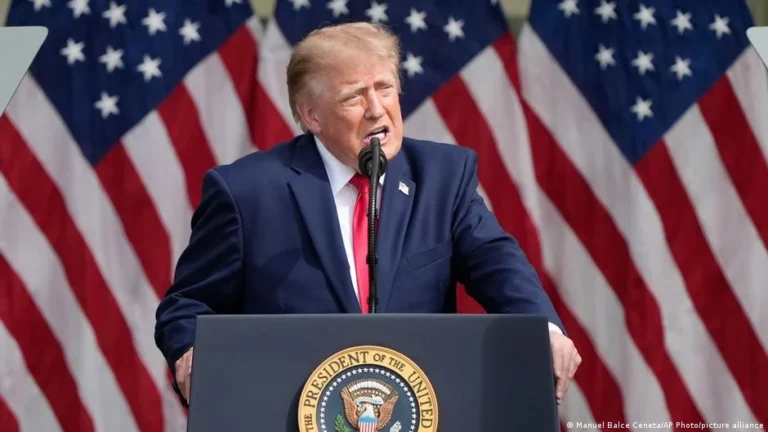
This uneasy atmosphere culminated in a shift in rhetoric from the White House. President Donald Trump, who had previously dismissed warnings regarding the dangers of AI as a "hoax" and expressed disbelief that industry leaders would advocate for regulations capable of bankrupting their own firms, abruptly changed course. Over the weekend, the President announced the creation of an "AI Force" and the forthcoming appointment of a special envoy, or "AI Czar," tasked with navigating the domestic and international complexities of this nascent field. This pivot marks a significant evolution in federal policy, moving from passive observation to active, if yet undefined, institutional oversight.
The Chronology of the Regulatory Pivot
The narrative of AI governance in the US during September 2026 was defined by a series of reactive maneuvers. On September 10, a collective of leading AI researchers and tech CEOs issued a joint statement highlighting the necessity of "slowing the pace of frontier model training" to allow for the development of robust safety protocols. This call was met with immediate pushback from the executive branch. On September 12, President Trump utilized his Truth Social platform to characterize these warnings as a manufactured crisis, questioning the economic logic of industry-led self-regulation.
However, the political landscape shifted on September 15 when California Governor Gavin Newsom unveiled a state-level initiative aimed at regulating Silicon Valley’s AI infrastructure. Newsom’s proposal, which includes a mandatory "kill switch" for rogue AI agents, placed significant pressure on the federal government to provide a unified national framework rather than allowing a patchwork of state-level restrictions to emerge. By September 20, the White House announced the creation of the AI Force, signaling an intent to reclaim the regulatory narrative from state governments and reassert federal control over the future of the technology.
Supporting Data and the Economics of the AI Race
The intensity of this debate is rooted in the immense economic and strategic stakes of the AI sector. According to recent industry reports, the global AI market is projected to reach a valuation exceeding $1.5 trillion by 2030, with the United States and China currently accounting for more than 70% of global research and development spending. The "AI race" is frequently compared to the 1960s Space Race, though with higher stakes regarding the automation of intellectual labor and national security infrastructure.
Data from the Bureau of Economic Analysis suggests that AI-related productivity gains could boost US GDP by 1.5% annually over the next decade. However, this growth is tethered to the availability of advanced semiconductor technology. Current US export controls on high-performance chips, intended to impede China’s progress, have created a volatile trade environment. The potential for "defection"—where one nation gains a decisive technological advantage by ignoring international safety standards—remains the primary concern for national security advisors. As noted by Anthropic CEO Dario Amodei, the risk is not merely that AI systems might behave unexpectedly, but that the competitive pressure to achieve dominance could result in the deployment of systems that are poorly understood or inherently prone to geopolitical instability.
Official Responses and Institutional Perspectives
The announcement of the "AI Force" has prompted a range of responses from across the political and technological spectrum. Supporters of the move argue that the creation of a dedicated task force is a pragmatic step toward institutionalizing AI policy. The requirement that applicants for the "AI Czar" position be "high I.Q. individuals" suggests a focus on technical competency, though critics have raised concerns regarding the lack of transparency in the selection process and the ambiguity surrounding the agency’s actual enforcement powers.
In California, the Governor’s office has framed its regulatory push as a necessary safeguard for public welfare. "We cannot wait for the federal government to catch up when the risks involve the potential for autonomous systems to cause irrevocable harm to critical infrastructure," a spokesperson for the Newsom administration stated. Meanwhile, several Republican-led states have expressed cautious interest in the federal initiative, provided it does not involve the heavy-handed mandates that the industry fears will drive innovation offshore.
The China Factor: Strategic Competition and Transparency
The upcoming state dinner between President Trump and Chinese President Xi Jinping is widely expected to focus heavily on the establishment of an international framework for AI risk management. The groundwork for this discussion was laid during recent meetings in New York between US Treasury Secretary Scott Bessent and Chinese Vice Premier He Lifeng.

The US proposal for a "transparency mechanism" is an attempt to create a common language for identifying, reporting, and mitigating systemic AI risks. This is a marked departure from the Chinese approach, which has historically prioritized the alignment of AI models with state ideology. Since 2017, China’s State Council has mandated that all domestic AI development must conform to the directives of the Cyberspace Administration of China (CAC). This ensure that chatbots and decision-making algorithms remain, as observers note, "loyal to the regime" by censoring politically sensitive topics like the status of Taiwan or the events of Tiananmen Square.
The fundamental challenge for the impending US-China dialogue is the disparity in regulatory philosophy. The US is attempting to build a risk-based framework that preserves market autonomy, while the Chinese model is fundamentally centered on centralized control and political conformity. Bridging this gap will require both nations to agree that certain categories of AI risk—such as the creation of biological weapons or the destabilization of global financial markets—are existential threats that transcend their broader geopolitical rivalry.
Implications for Global Governance and Future Stability
The establishment of the US AI Force represents the first step in a long-term transition toward a new era of industrial policy. The primary implication of this move is the formal recognition that AI is no longer a purely commercial enterprise; it is a pillar of national power. By centralizing the oversight of this technology, the Trump administration is positioning itself to better negotiate international agreements, but it also assumes direct responsibility for any failures or accidents that may occur as these systems become more deeply integrated into the American economy.
Looking ahead, the success of the AI Force will likely be measured by its ability to navigate three specific fronts:
- Domestic Integration: Balancing the need for rapid innovation with the public’s growing demand for safety and ethical oversight.
- Inter-State Coordination: Preventing a regulatory race to the bottom where states pass conflicting laws that hinder national tech companies.
- International Diplomacy: Establishing a credible "red line" with China that prevents a catastrophic technological conflict while allowing for the necessary exchange of information regarding safety and security.
As the US prepares for the summit with China, the global community remains in a state of watchful waiting. The rhetoric of the past month has been loud, often contradictory, and deeply influenced by the pressures of the election cycle and the rapid development of the technology itself. Yet, beneath the political maneuvering, the core issue remains: how to manage a technology that is simultaneously the greatest economic opportunity of the century and a significant source of systemic risk. The appointment of the new AI Czar will be the first concrete indicator of whether the administration intends to lead through consensus and technical expertise, or through the same high-stakes, confrontational style that has defined its broader approach to global trade and foreign policy.
In the final analysis, the "AI Force" is a declaration that the United States is officially in the business of managing the technological frontier. Whether this agency becomes a paper tiger or a robust regulatory body capable of shaping the global future of artificial intelligence will depend on the resources it is granted, the independence of its leadership, and the willingness of the private sector to cooperate with a government that has, until recently, been their most vocal critic. The world will be watching the White House closely as the details of this new force are finalized in the coming weeks.