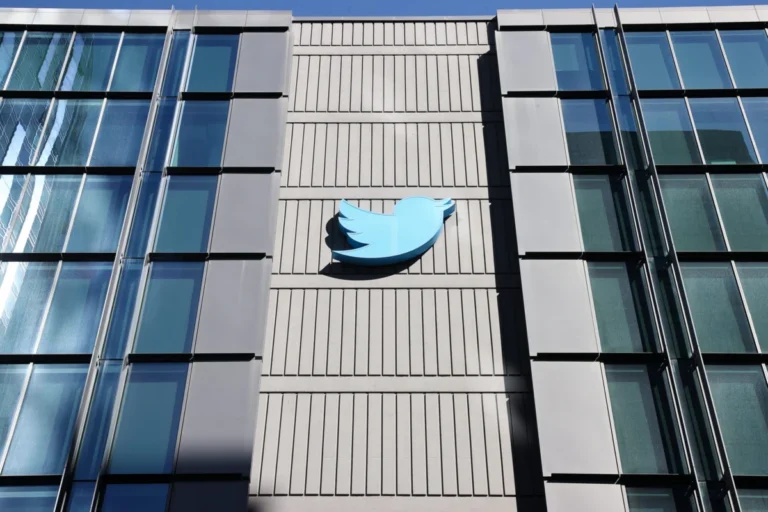
The technology sector across the African continent suffered a severe jolt when sweeping structural changes at Twitter, orchestrated by its new owner Elon Musk, culminated in the abrupt dismantling of the company’s newly minted African headquarters in Accra, Ghana. What began in April 2021 as a celebrated milestone for Big Tech in emerging markets devolved into a stark lesson in corporate volatility, leaving local employees, regional tech advocates, and international observers questioning whether global corporations view emerging markets as sustainable strategic investments or merely transient public relations maneuvers.
A Historic Announcement and the Vision for Africa
On April 12, 2021, Twitter co-founder and then-CEO Jack Dorsey sent a message that electrified the African tech ecosystem. Announcing that the platform was officially establishing a presence on the continent, Dorsey tweeted his appreciation to the government of Ghana and President Nana Addo Dankwa Akufo-Addo. The accompanying corporate blog post detailed a deliberate growth strategy aimed at immersing the company in the vibrant communities driving daily public discourse across Africa.
Ghana was deliberately chosen as the headquarters for the continent. The West African democracy was lauded by Twitter leadership as a champion of free speech, online freedom, and the open internet—values that aligned closely with Twitter’s corporate ethos. President Akufo-Addo enthusiastically welcomed the development, describing it via social media as the beginning of a beautiful partnership vital for the development of Ghana’s burgeoning technology sector.
For the regional tech community, the announcement was transformative. For years, African tech talent had operated on the periphery of Silicon Valley’s vision. Twitter’s decision to hire locally and source talent from within the region offered a profound sense of inclusion. Employees working remotely from various parts of the continent contributed crucial local insights regarding safety, content moderation, and regional partnerships. Top personalities and socio-political voices from Africa began to see their narratives amplified on a truly global scale. For a brief period, Twitter appeared to be walking the talk regarding global equity and decentralized corporate expansion.
Leadership Transitions and Internal Turbulence
The foundational architecture of Twitter’s African venture began to shift only months after its announcement. On November 29, 2021, Jack Dorsey stunned the tech industry by announcing his resignation as CEO, citing a desire to let the company evolve away from its founding leadership. In an internal communication, Dorsey endorsed Parag Agrawal, then-Chief Technology Officer, as his successor, praising Agrawal’s deep understanding of the platform’s technical and operational needs.
Agrawal stepped into the role during a delicate transitional phase. While maintaining a calm and approachable demeanor—demonstrated during public engagements with African tech leaders such as Microsoft project manager Ivy Barley—Agrawal faced mounting pressure from shareholders to accelerate revenue growth and streamline operations. By May 2022, Agrawal executed significant leadership changes, dismissing top executives including consumer product leader Kayvon Beykpour and revenue general manager Bruce Falck, while instituting a broad hiring freeze.
Concurrently, external pressures were mounting. On April 14, 2022, regulatory filings revealed that billionaire entrepreneur Elon Musk had offered to acquire Twitter outright for $44 billion. What followed was a contentious months-long corporate drama characterized by Musk acquiring a substantial stake, briefly considering a board seat, and subsequently launching a hostile buyout bid.
As negotiations grew increasingly fraught, internal friction paralyzed normal operations. Court proceedings later revealed tense exchanges between Agrawal and Musk, with Agrawal warning that public commentary questioning the platform’s viability severely damaged employee morale and operational productivity. Musk countered dismissively, eventually attempting to terminate the acquisition agreement in July 2022 over disputes concerning the prevalence of automated bot accounts on the platform.
This standoff culminated in Twitter filing a lawsuit in Delaware to compel Musk to honor the $44 billion purchase agreement. Facing an impending trial, Musk abruptly reversed course, finalizing the acquisition and taking the company private on October 27, 2022.
The Mass Layoffs and the Fall of Twitter Africa
The transition of ownership ushered in an era of unprecedented disruption. Within days of assuming control, Musk initiated a massive reduction in the company’s global workforce, eliminating approximately 50% of Twitter’s 7,500 employees. Musk defended the drastic downsizing by stating publicly that the company was operating at a daily loss exceeding $4 million, adding that departing employees were offered three months of severance pay—an amount he asserted exceeded legal requirements.
However, the execution of these layoffs exposed critical administrative oversights, particularly regarding international operations. Just days prior to the workforce reduction, on November 1, 2022, senior partner manager Bernard Kafui Sokpe celebrated a major organizational milestone: the official physical opening of Twitter’s African headquarters in Accra, Ghana, bringing local remote employees together in a shared workspace for the first time.
The celebration proved short-lived. By November 4, 2022, employees across the African subsidiary found themselves locked out of corporate email accounts and Slack channels. Unlike their counterparts in other regions, African staff members reportedly received termination notices via personal email accounts sent by a human resources official based in Dublin, Ireland. The communication cited corporate restructuring and cost-reduction mandates, establishing a final termination date of December 4, 2022, while placing employees on garden leave.
Crucially, numerous former employees and industry observers reported that the promised severance packages and clear off-boarding protocols communicated by Musk globally were not extended to the African team. This disparity drew sharp rebukes from prominent tech figures. Alphonzo Terrell, Twitter’s former global head of social and editorial, publicly criticized the handling of the regional office on social media, questioning whether the omission of severance for Ghanaian personnel signaled a disregard for equitable treatment. Lara Cohen, former global vice president of partners and marketing, similarly challenged Dorsey to address whether the treatment aligned with his previously stated commitments to the continent.
Broader Implications for Global Tech Expansion
The dismantling of Twitter’s African operations has reignited debate over the authenticity of corporate commitments to emerging markets. Analysts note that while multinational corporations frequently announce high-profile expansions into regions like Sub-Saharan Africa to capture emerging consumer bases and project corporate social responsibility, these subsidiaries are often the first to be compromised during macroeconomic downturns or shifts in corporate governance.
The abrupt closure of the Accra office raises fundamental questions concerning labor rights, corporate accountability, and cross-border employment protections. Employees who had left stable positions to join a pioneering venture sponsored by a Silicon Valley titan were left with minimal recourse, arbitrary administrative communication, and a lack of standardized separation benefits.
Furthermore, the operational stability of the platform itself has faced intense scrutiny following the reduction in moderation and safety personnel. Advertisers have expressed ongoing concerns regarding content integrity, data security, and platform verification protocols under Musk’s leadership, leading to a significant contraction in advertising revenue.
Ultimately, the trajectory of Twitter’s venture in Africa serves as a cautionary case study in corporate globalization. What was initially heralded as a bridge between Silicon Valley and the vibrant digital economies of Africa ultimately dissolved into an illustration of how precarious regional investments can be when subjected to sudden shifts in ownership, financial distress, and top-down restructuring. For the African tech ecosystem, the episode underscores both the undeniable caliber of local talent and the persistent vulnerability of emerging markets to the whims of centralized global tech conglomerates.