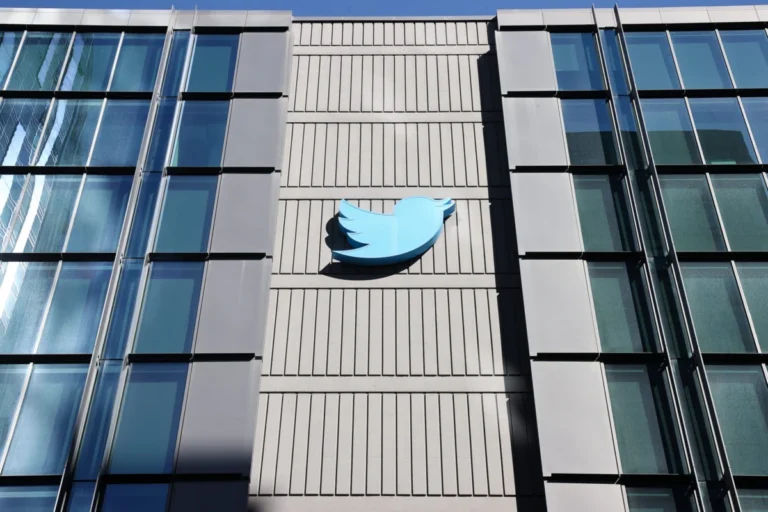
The corporate trajectory of Twitter, now rebranded as X, stands as one of the most volatile and scrutinized chapters in modern business history. Among the sweeping casualties of Elon Musk’s aggressive restructuring following his $44 billion acquisition in late 2022, the collapse of Twitter’s pioneering African headquarters in Accra, Ghana, remains a particularly stark illustration of how rapid corporate consolidation can disproportionately impact emerging regional markets. What was initially heralded as a watershed moment for Big Tech expansion in Africa devolved into an abrupt dismissal that raised profound questions regarding equity, corporate communication, and the authenticity of multinational investments in the Global South.
A Historic Expansion: Planting the Flag in Accra
On April 12, 2021, Twitter co-founder and then-CEO Jack Dorsey electrified the global technology sector by announcing that the social media platform was establishing its first-ever African base. Choosing Accra, Ghana, as the operational hub, Dorsey and his leadership team pointed to the West African nation’s democratic credentials, robust defense of free speech, and burgeoning digital economy as ideal conditions for growth.
The announcement was met with widespread celebration across the continent. Ghanaian President Nana Akufo-Addo immediately endorsed the partnership, describing it as a vital catalyst for the nation’s burgeoning technology sector and a testament to the untapped potential of African talent. For years, major technology conglomerates had treated the African continent primarily as a peripheral market or a secondary consumer base. Twitter’s strategy, by contrast, involved building a dedicated local team tasked with bringing nuanced regional insights to the platform’s public conversation and safety operations.
Within weeks, recruitment began. Talents were sourced locally, operating in a remote capacity while laying the foundation for a permanent physical presence. The move fostered a profound sense of inclusion and professional validation among African technologists, who anticipated that localized oversight would vastly improve moderation, content safety, and representation for millions of users across the continent.
Leadership Turbulence and the Musk Acquisition
The momentum generated by Dorsey’s vision faced its first major administrative hurdle later that year. On November 29, 2021, just seven months after the historic Africa announcement, Dorsey resigned from his position as CEO, handing the reins to Parag Agrawal, previously the company’s Chief Technology Officer. While Agrawal’s appointment initially brought a period of steady internal management, the broader economic and strategic landscape for Twitter was rapidly shifting.
Agrawal stepped into a challenging environment characterized by sluggish revenue growth and intense shareholder pressure. By May 2022, he instituted strategic cost-cutting measures, including hiring freezes and the departure of key executives such as Kayvon Beykpour and Bruce Falck. However, these internal adjustments were soon eclipsed by external pressures of unprecedented scale.
On April 14, 2022, regulatory filings revealed that Elon Musk, the billionaire entrepreneur and CEO of Tesla and SpaceX, had launched a hostile takeover bid to acquire Twitter for $44 billion. What followed was a tumultuous six-month saga involving intense public posturing, disputes over bot accounts and fake user metrics, private text exchanges between Agrawal and Musk, and ultimately a protracted legal battle in the Delaware Court of Chancery.
Although Musk attempted to walk back the acquisition in July 2022 citing concerns over platform transparency, legal pressure forced his hand. On October 27, 2022, the transaction was finalized, and Musk officially assumed control of the company, taking it private and initiating an immediate, uncompromising corporate overhaul.
The November Layoffs and the End of an Era in Ghana
The consequences of Musk’s takeover were swift and severe. During initial discussions, Musk had signaled intentions to reduce operational costs, but the scale of the subsequent workforce reduction caught the tech industry entirely off guard. On November 4, 2022, approximately 50% of Twitter’s global workforce—roughly 3,750 employees—were laid off as part of a sweeping restructuring designed to curb reported daily losses exceeding $4 million.
For the newly established African team in Accra, the transition from celebration to termination occurred with jarring speed. Ironically, just days prior, on November 1, 2022, senior staff members had celebrated a major milestone: the official physical opening of the Accra office after a year of successful remote operations. Staff members had gathered from across the region to consolidate their workspace, posting expressions of pride and optimism online under hashtags celebrating workplace community.
Less than 72 hours later, those digital celebrations turned to dismay. According to reports by international journalists, including CNN’s Larry Madowo, the entirety of Twitter’s African workforce was locked out of their corporate email accounts and received termination notices via personal emails dispatched by the Director of People Services from the company’s Dublin office.
The notification stated that the company was reorganizing operations to reduce costs and that employment would officially terminate on December 4, 2022, with employees placed on garden leave in the interim.
Communication Breakdown and Discrepancies in Severance
The manner in which the layoffs were executed in Ghana drew sharp criticism from former executives and tech advocates worldwide. While Musk publicly stated on his platform that all departing employees were offered three months of severance pay—representing a package 50% higher than legally mandated minimums—reports indicated that the African staff faced significant ambiguity regarding these packages.
Furthermore, the delivery of the news via an automated, mass-distribution email format stood in stark contrast to the personalized fanfare that had accompanied Twitter’s triumphant entry into the region a year prior. The lack of clear, region-specific off-boarding protocols left many questioning whether the initial expansion was a genuine, long-term operational commitment or merely a symbolic public relations gesture designed to capture emerging market mindshare.
Prominent former Twitter executives openly voiced their dissatisfaction on the platform. Alphonzo Terrell, the former Global Head of Social and Editorial, publicly appealed to Jack Dorsey to intervene on behalf of the Ghanaian team. Similarly, Lara Cohen, the former Global VP of Partners and Marketing, questioned the alignment between Dorsey’s stated commitments to the African continent and the realities of the post-acquisition dismissals.
Broader Industry Implications and the Future of Big Tech in Africa
The dismantling of Twitter’s African office offers a cautionary case study regarding multinational corporate strategy in emerging markets. When major technology firms scale back operations during economic downturns or leadership transitions, regional hubs outside of traditional tech centers—such as Silicon Valley, London, or Dublin—often prove uniquely vulnerable to sudden strategic reversals.
The episode has generated broader discussions among African technologists, policymakers, and entrepreneurs regarding structural dependency on foreign tech platforms. While the promise of localized investments remains attractive, the rapid evaporation of jobs and localized trust highlights the risks associated with relying on external corporate entities for regional digital infrastructure.
As X continues to navigate its new operational reality under Musk—marked by modified verification tiers, fluctuating advertising revenues, and ongoing debates over content moderation—the legacy of its brief tenure in Accra remains a poignant reminder of the complexities inherent in global tech expansion. For the African digital ecosystem, the experience has reinforced a resolve to build indigenous technological solutions and resilient digital infrastructures that are less susceptible to the shifting whims of foreign corporate boardrooms.