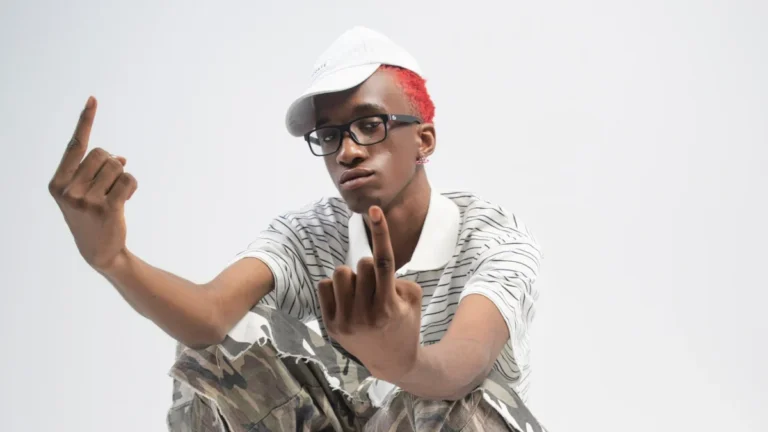
In an era where digital footprints are increasingly permanent, Nigerian singer Mavo has found himself navigating the complexities of online accountability. The rising artist recently took to the social media platform X (formerly Twitter) to address a series of disparaging remarks he made during his formative years as a university student. These resurfaced posts, which targeted high-profile figures in the Nigerian music industry such as Davido and Ayra Starr, have sparked a significant discourse regarding the longevity of online opinions and the growth trajectory of entertainers as they transition from observers to participants in the music business.
The controversy began when social media users—often referred to as “digital archaeologists”—unearthed a collection of tweets dating back several years. These posts, penned before Mavo achieved his current level of industry recognition, featured harsh, unfiltered critiques of established stars. While such commentary is commonplace among anonymous social media users, the shift in Mavo’s status from a casual observer to an active industry professional has transformed these past statements from mere personal opinions into points of contention.
The Anatomy of the Controversy
The posts in question reflected a mindset that Mavo himself now characterizes as overly critical and immature. During his early university days, the artist maintained an active online presence where he frequently weighed in on the performance, aesthetic choices, and career trajectories of Nigeria’s musical elite. At the time, Mavo was a consumer of the entertainment ecosystem rather than a peer within it.
The resurfaced tweets gained momentum in late September 2026, coinciding with a period of increased visibility for the singer. As his own career began to garner traction, the irony of his past criticisms—directed at artists he now potentially shares stages or industry circles with—became a focal point for critics. The internet’s reaction was swift, with many questioning the sincerity of his past judgments and others speculating on the potential professional friction his comments might cause with his contemporaries.
A Reflective Apology
Recognizing the weight of the digital spotlight, Mavo issued a formal statement on September 24, 2026. The apology was not a defensive rebuttal but rather an admission of growth. He attributed his earlier behavior to the unique pressures and detached nature of social media interaction, noting that as a younger, aspiring artist, he viewed the "superstars" of the industry as distant figures rather than human beings with real-world complexities.
"I was a bad entertainment critic when I started uni until I realized superstars don’t really care about Twitter," Mavo wrote in his statement. He detailed a pivot in his personal philosophy, explaining that his obsession with critiquing others was a byproduct of a lack of focus on his own creative output. By shifting his energy away from external critique and toward his own craft, Mavo claimed to have found a sense of professional and personal peace.
He further acknowledged the ripple effects of his words, stating, "My criticism sadly, unfortunately, and unintentionally hurt quite a number of people, and I am honestly sorry." By reaching out to the public, he attempted to draw a line between his past persona and his current identity as an artist committed to his own brand of music.
The Context of Celebrity Accountability
The situation involving Mavo is a quintessential example of the "Twitter Audit" phenomenon that has become a staple of modern fame. In the Nigerian music industry—a sector that is increasingly globalized and scrutinized—public perception is a vital currency. For artists like Davido, who has been at the pinnacle of African music for over a decade, and Ayra Starr, a defining voice of the new generation, they are frequent subjects of intense public debate.
The history of social media in Nigeria shows a trend where up-and-coming talents often engage in "stan culture" or performative criticism to garner engagement on platforms like X. However, as these individuals move into the spotlight, those very tweets are often leveraged by rival fanbases to undermine their credibility. This dynamic creates a challenging environment for young artists who must balance their authentic online expressions with the professional decorum required of global icons.
Professional Maturation and Industry Dynamics
In his follow-up comments, Mavo provided a critical perspective on how his real-world interactions have reshaped his views. He noted that upon meeting many of the individuals he once criticized, his perceptions were dismantled by the reality of their character. "I have met most of these people and they actually turn out to be amazing people," he remarked. This sentiment highlights a common reality in the entertainment industry: the disconnect between the public, digital persona of an artist and their private, professional demeanor.
This admission serves as a broader lesson on the dangers of "armchair criticism." In the digital age, audiences are encouraged to have an opinion on everything, from the production quality of an album to the personal life of an artist. When an individual crosses the threshold from fan to colleague, the transition requires a recalibration of how they express those opinions. Mavo’s experience suggests that the industry rewards those who eventually move toward collaboration and mutual respect rather than antagonism.
Data and Trends in Social Media Reputational Management
From a public relations standpoint, Mavo’s approach—swift acknowledgement and a sincere apology—is often cited as the most effective way to mitigate reputational damage. Unlike attempts to delete content, which can often trigger the "Streisand Effect" (where the effort to hide information only draws more attention to it), owning the past allows an artist to frame the narrative around personal growth.
Market research into the Nigerian entertainment sector indicates that audiences are generally forgiving of youthful indiscretions, provided there is a demonstrated change in behavior. Data suggests that artists who engage in "cancel culture" rhetoric often face long-term pushback, whereas those who engage in self-reflection tend to retain the support of their core fanbase. By framing his previous comments as a "misjudgment" rather than a reflection of his current values, Mavo has effectively attempted to insulate his career from the potential toxicity of these resurfaced posts.
Broader Implications for Emerging Artists
The Mavo incident serves as a cautionary tale for the next generation of Nigerian talent. With the rise of digital archives and the ease with which old content can be surfaced, aspiring artists are being advised to consider the long-term impact of their digital presence. Many talent management firms have begun implementing "social media audits" for their clients to ensure that past posts do not hinder future brand partnerships or collaborative opportunities.
Furthermore, the incident underscores the power dynamics of the industry. When an emerging artist critiques an established star, they are often seen as "punching up." While this can generate initial notoriety, it often creates barriers to entry in the future. The music industry is a small, interconnected community where reputation is often as valuable as musical talent. Mavo’s shift from critic to musician highlights that sustainable success requires building bridges rather than burning them.
Moving Forward: The Path to Reconciliation
As the dust settles on this social media incident, the focus will likely return to Mavo’s music. For the artist, the path forward is clear: his work must now speak louder than his past tweets. The public response to his apology has been mixed, with some followers appreciating his transparency and others remaining skeptical of his motives.
However, in the volatile landscape of social media, the life cycle of a controversy is often brief. By addressing the situation head-on, Mavo has limited the shelf life of the scandal. Whether this incident will affect his standing with the artists he mentioned remains to be seen, but the general consensus among industry insiders is that the move to apologize was a necessary step in professional maturity.
In conclusion, the situation serves as a poignant reminder of the evolving relationship between artists and the digital public. As technology continues to bridge the gap between stars and their fans, the boundary between private opinion and public discourse will continue to blur. Mavo’s experience highlights the necessity of empathy and the inevitability of change, proving that while one’s past is never truly erased, it can be contextualized through the lens of growth and accountability. As he continues his career, the artist’s commitment to "letting love lead" will be tested not by his words on social media, but by the actions he takes as he navigates his future in the music industry.