
The modern grocery store aisle has undergone a quiet revolution, transitioning from shelves of whole foods to a landscape dominated by "protein-enhanced" snacks, shakes, and powders. From pudding cups to artisanal breads, manufacturers have successfully rebranded basic nutrition as a high-performance necessity. This shift is particularly pronounced among the youth demographic, with products like Kindershake and Teen Balance specifically engineered to capture the attention of a younger generation increasingly preoccupied with body composition and athletic aesthetics. However, as the market for these fitness-focused products experiences explosive growth—recording a 25% surge in retail revenue in Germany between March 2024 and March 2025—nutritionists and health experts are raising alarms about the long-term consequences of this supplement-heavy lifestyle.
A 2024 survey conducted by the University of Michigan, which sampled nearly 1,000 parents, provides a sobering look at this trend. The data revealed that nearly 50% of parents reported their children, aged 13 to 17, had consumed protein supplements within the past year. The motivations for this consumption are bifurcated by gender: teenage boys frequently report using these products as an adjunct to sports and muscle-building regimens, whereas teenage girls are more likely to utilize them as a mechanism for weight management and dietary control. This trend is not merely a matter of personal preference; it is a direct result of aggressive marketing campaigns that equate protein intake with health, success, and vitality.
The Biological Necessity of Protein
To understand the current debate, it is essential to first understand the role of protein in human physiology. Proteins serve as the fundamental structural components of the body, critical for the synthesis of muscle, skin, and organ tissue. Beyond structural integrity, they are the precursors to enzymes—which catalyze the metabolic reactions necessary for survival—and antibodies, which serve as the frontline defense for the immune system.
The German Nutrition Society (DGE) maintains rigorous standards for protein consumption based on age and activity level. For the average healthy adult, the recommendation is 0.8 grams per kilogram of body weight. For a 65-kilogram individual, this translates to roughly 52 grams of protein per day—a target easily reached through a balanced diet consisting of standard items like oatmeal, dairy, whole grains, and legumes. For adolescents, whose bodies are in a constant state of growth and development, the requirement is slightly elevated to 0.9 grams per kilogram. Seniors and young children require approximately 1.0 gram per kilogram, though the reasons for these requirements vary: in children, it supports rapid growth; in seniors, it helps mitigate the muscle mass loss associated with aging, known as sarcopenia.
A Disconnect Between Requirements and Reality
Despite these clear medical guidelines, there is a significant disconnect between recommended intake and actual consumption patterns. A comprehensive German study conducted between 2015 and 2017 found that a staggering 50% of children and adolescents aged six to 17 were consuming more than double their recommended daily allowance of protein. This suggests that the current reliance on protein-enriched snacks is not a corrective measure for a deficiency, but rather an unnecessary surplus.
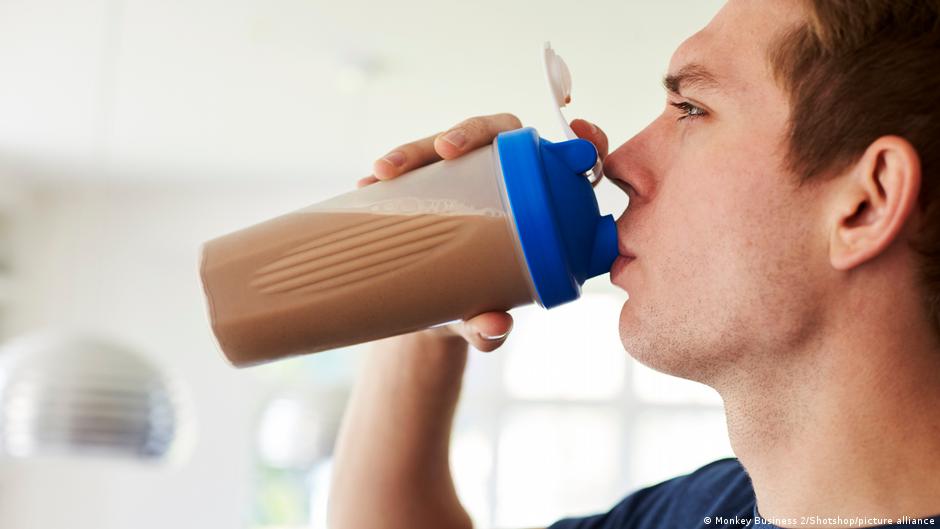
The implications of this surplus are far from benign. The DGE warns that chronic overconsumption of protein—particularly animal-based protein—is linked to an increased risk of obesity in children and adolescents. Furthermore, excessive protein intake has been associated with early-onset puberty, a trend that pediatric endocrinologists have been monitoring with increasing concern over the past decade.
The Physiological Burden: Kidney Strain and Metabolic Stress
The most direct medical risk associated with excessive protein consumption concerns renal health. The kidneys are responsible for processing the amino acids that constitute proteins. When these building blocks are broken down, they create nitrogenous waste products, primarily urea, which must be filtered and excreted through the urine. In individuals with high protein intake, the kidneys are forced to work at a heightened capacity. While a healthy individual may handle this with little immediate issue, the long-term stress on renal function can be damaging, particularly if the person fails to maintain adequate hydration.
For adolescents, whose physiological systems are still maturing, the risks are compounded. Furthermore, there is the issue of what is being sacrificed. When a diet becomes overly reliant on processed protein shakes and bars, it often lacks the diversity of whole foods. The result is a caloric intake that may be "high-protein" but is simultaneously low in essential fiber, micronutrients, and healthy fats. This nutritional displacement can lead to systemic health issues that a simple protein-to-calorie ratio does not capture.
The Myth of the Elite Athlete’s Diet
A persistent narrative in the fitness industry is that "more is better." This logic suggests that if protein builds muscle, then consuming vast quantities will accelerate that growth. However, scientific consensus offers a more nuanced view. The DGE notes that while protein is indeed vital for muscle repair and recovery after intense exercise, the requirement only increases for those engaging in rigorous, high-intensity training—defined as more than five hours per day.
For the average teenager playing recreational sports or the occasional gym-goer, the standard nutritional guidelines remain sufficient. The marketing claim that "more protein equals more performance" is often a strategy to justify the high price tags of specialized products. Consumer advocacy groups have noted that many products, such as protein-enriched dairy, carry a significant markup compared to their standard counterparts, despite providing little additional value to the average consumer.
Hidden Ingredients and Quality Concerns
Beyond the protein itself, the composition of these supplements remains a point of contention. Protein powders and bars are frequently highly processed, containing artificial sweeteners, thickeners, and flavorings that contribute to an inflammatory, ultra-processed diet. Worse yet, the lack of stringent oversight in some supplement sectors has led to disturbing findings. Research from the German Sport University in Cologne identified instances where protein supplements marketed for muscle building contained undeclared doping substances.

Additionally, dermatologists have long observed a correlation between high consumption of whey-based protein products and the exacerbation of acne. While the mechanisms are still being studied, it is hypothesized that milk proteins can increase sebum production, triggering or worsening skin conditions in susceptible adolescents.
The Case for Whole Foods
The DGE and other global health organizations advocate for a return to natural, plant-forward protein sources. Foods such as whole grains, lentils, chickpeas, and nuts provide protein alongside a suite of health-promoting fiber and vitamins. By focusing on these sources, individuals avoid the unnecessary additives of the supplement industry and ensure a more balanced nutrient profile.
There are, of course, exceptions to this advice. Clinical populations—such as those with specific digestive disorders, individuals recovering from surgeries that limit their ability to chew or swallow, or elderly patients with severely suppressed appetites—may indeed benefit from the convenience and density of medical-grade protein preparations. In these instances, supplementation is a tool for survival and maintenance, not a lifestyle choice.
Conclusion: A Need for Nutritional Literacy
The rise of the "protein-first" diet is a testament to the power of modern marketing, which has successfully convinced the public that our basic biological needs cannot be met through the kitchen cupboard. As we move forward, the challenge for public health officials is to shift the narrative from quantity to quality.
Nutritional literacy must be prioritized, particularly among young people, to help them understand that protein is not a miracle compound for weight loss or athletic success, but rather one part of a complex, synergistic biological system. When health is measured by the gram rather than the nutrient, the risks—to our kidneys, our metabolic health, and our wallets—far outweigh the benefits. As the data shows, most of the population is already consuming more than enough protein; the goal for the coming years should be to move away from the supplement aisle and back to the dining table.