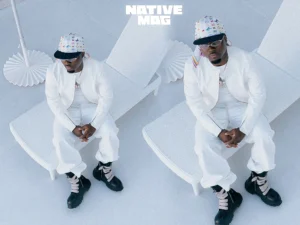
The veteran rapper and producer, known for his eclectic approach to hip-hop and fusion, has officially broken his solo hiatus with the release of "Fuji Shuffle (To The Left)." This single marks a pivotal shift in the 2026 release cycle for the artist, moving away from collaborative group projects toward a deeply personal, heritage-driven soundscape. By integrating the rhythmic cadence of Fuji—a genre birthed from the Yoruba musical tradition of Ajisari—with the structured, instructional nature of Western dance anthems, DAP The Contract is positioning himself as a cultural archivist of sorts, digitizing the energy of 1970s Lagos for a modern audience.
A Chronology of Artistic Evolution
DAP The Contract’s path to this single has been marked by a diverse range of collaborative efforts. To understand the significance of this latest release, one must examine the timeline of his recent work. Following the 2024 arrival of "Everybody Falls in The Summer (5yr)," a commemorative reimagining of his 2018 project, the artist pivoted toward a more collaborative framework.
Throughout 2026, he participated in the formation of Hi-Lo Jack, a high-profile trio featuring Clyde Lawrence of the soul-pop group Lawrence and Cody Fitzgerald of the indie-folk outfit Stolen Jars. This project served as a creative incubator, allowing DAP to experiment with multi-genre arrangements. His subsequent collaboration with Bymaddz on "House Of Blue" further demonstrated his ability to oscillate between moody, atmospheric tracks and high-energy production. "Fuji Shuffle (To The Left)" represents the culmination of these experiments, marking his first solo single of the year and signaling a return to the foundational influences that define his identity.
Analyzing the Soundscape: The Fusion of Fuji and Funk
"Fuji Shuffle (To The Left)" is a self-produced endeavor, bolstered by the contributions of award-winning composers Peter Enriquez and Syl DuBenion. The track functions as a sonic bridge between two distinct worlds: the percussion-heavy, vocal-driven complexity of Nigerian Fuji and the call-and-response mechanics of classic American line-dance records like "The Wobble" or "The Electric Slide."
The production is characterized by a "buoyant" quality, relying on what can be described as a thumping percussive foundation that mirrors the traditional talking drum patterns found in Yoruba music. Highlife horns provide a melodic counterpoint, evoking the golden era of Nigerian highlife music, while Yoruba vocal flourishes are woven into the mix, grounding the track in its cultural origin. This is not merely a sampling of heritage; it is an active integration of traditional instrumentation with a modern, dance-floor-ready tempo.
Cultural Significance and Historical Context
Fuji music emerged in Nigeria during the 1960s and 1970s, evolving from the Ajisari/Were music traditions used to wake Muslims for the pre-dawn meal during Ramadan. As it grew in popularity, it became synonymous with the socio-political fabric of Lagos nightlife. By citing the "nostalgia of 1970s Lagos functions" as his primary inspiration, DAP The Contract is engaging with a broader movement of African artists who are looking toward the mid-20th century for musical inspiration.
The "shuffle" record is a staple of social gatherings. Historically, these songs rely on clear, repetitive instructions that dictate movement, creating a communal experience where the audience becomes part of the performance. By adopting this structure, the artist is making a claim about the universality of Yoruba rhythm. He is effectively arguing that the Fuji aesthetic, traditionally confined to specific cultural contexts, possesses the inherent "dance-ability" required for international, cross-cultural appeal.
Strategic Implications for the Artist
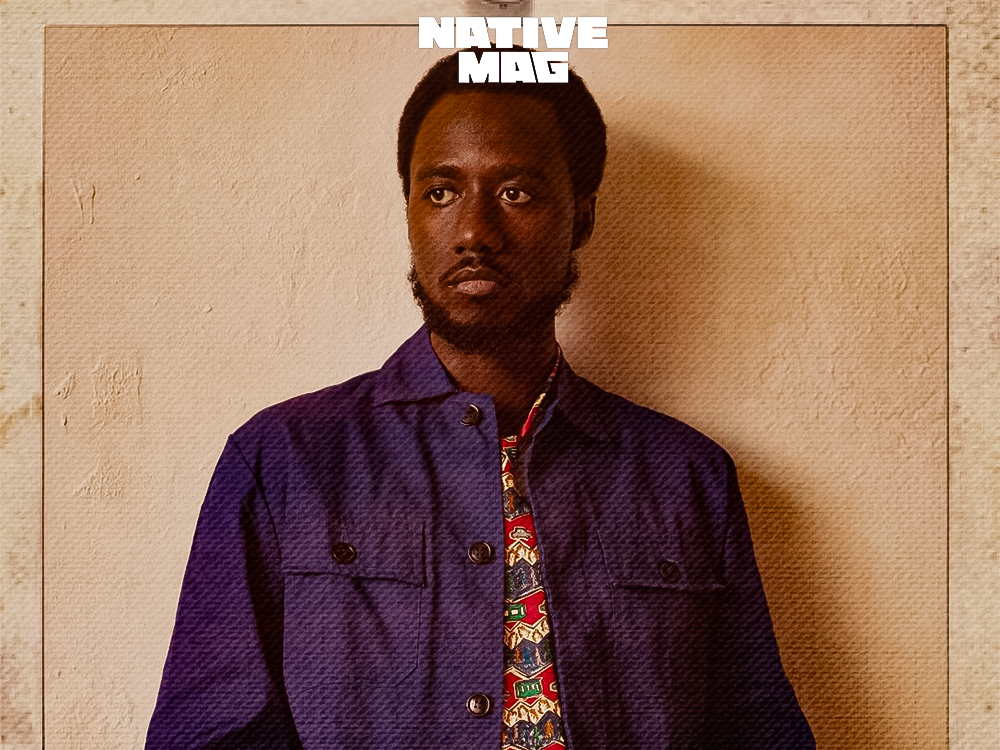
From a commercial and creative standpoint, the release of "Fuji Shuffle (To The Left)" serves several strategic functions for DAP The Contract. Firstly, it re-establishes his individual brand after a year dominated by group-oriented work. In the current music industry landscape, where artists are frequently expected to diversify their output across multiple projects, maintaining a distinct solo identity is vital for longevity.
Secondly, the release allows the artist to tap into the burgeoning interest in Afro-fusion and its historical roots. As global audiences become increasingly familiar with the sounds of West Africa, there is a growing appetite for music that honors the lineage of these genres. By explicitly naming the influence of Fuji, DAP The Contract adds a layer of educational value to his work, encouraging listeners to trace the lineage of the sounds they are consuming.
Broader Industry Impact
The success of a track like "Fuji Shuffle (To The Left)" could signal a shift in how independent artists approach cultural fusion. Rather than simply using "world music" elements as texture, this track demonstrates a more intentional, structural incorporation. The collaboration with composers Enriquez and DuBenion suggests a meticulous approach to production, moving away from the "beat-maker" model toward a more formal composition process.
Industry analysts observe that as streaming platforms continue to break down geographical barriers, the ability for an artist to blend regional sounds with global trends is the most effective path to scalability. If the track gains traction, it could inspire other artists to delve into the archives of their own regional traditions, leading to a new wave of modern music that functions as a contemporary evolution of classic folk and pop traditions.
Official Statements and Artistic Intent
In his press release, DAP The Contract was clear about the intent behind the record: to provide an "ownable" moment for the Fuji genre within the global dance lexicon. "We all know the classic shuffle songs," he noted, emphasizing that the track is designed to mimic the feeling of a "never-ending party." This language highlights his desire to create a sense of inclusivity. By using the phrase "To The Left," he leans into the familiarity of established dance tropes, lowering the barrier to entry for listeners who may not be fluent in the nuances of Yoruba music or Fuji rhythm.
Future Trajectory
With the release of this single, the focus shifts toward the reception of the track in international markets. The blend of high-energy percussion and traditional horns is tailor-made for radio and club rotation, yet the historical weight behind the track provides the depth necessary for critical appreciation. Whether this single will lead to a full-length album or a series of similarly themed EPs remains to be seen.
However, the shift in focus is evident. After the collaborative success of his recent trio, DAP The Contract has successfully transitioned back to a solo narrative that feels both refreshed and deeply rooted. As the industry looks toward the end of 2026, "Fuji Shuffle (To The Left)" stands as a testament to the idea that the most innovative music is often that which reaches furthest into the past to find its future.
Listeners looking to engage with the track can access it through the artist’s official distribution channels. As the song continues to gain momentum, its role in the broader landscape of 2026’s musical output will likely be defined by how successfully it facilitates that elusive, communal dance floor experience that the artist so clearly seeks to replicate. The track represents a synthesis of the personal and the historical, a hallmark of an artist who is not only creating music but also documenting the evolution of a cultural conversation. Through this release, the artist has cemented his position as a bridge-builder, effectively connecting the sonic heritage of 1970s Lagos with the modern, globalized dance scene.