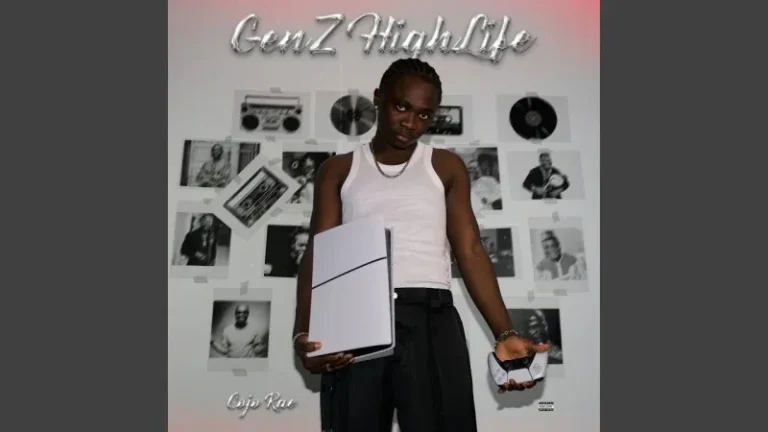
The contemporary African music landscape is currently experiencing a profound renaissance, driven by artists who effortlessly bridge traditional roots with modern sonic experimentation. Among the forefront of this movement is the exceptionally talented recording artist Cojo Rae, whose latest musical endeavor has captured the attention of critics and fans alike. Central to this current wave of interest is a track titled “Dbee,” a standout offering drawn from his critically acclaimed project, the Gen Z Highlife album. Featuring a title that is as unconventional as it is intriguing, the song has ignited extensive discussions across digital platforms, serving as a cultural touchstone that reflects the evolving linguistic and artistic expressions of today’s youth.
The release of the Gen Z Highlife album marked a significant milestone in Cojo Rae’s career, positioning him as a forward-thinking architect of modern African popular music. Rather than adhering strictly to the rigid genre boundaries of the past, Cojo Rae has consistently demonstrated a willingness to explore the intersections of classical highlife sensibilities with contemporary Afrobeats, hip-hop, and urban street culture. The album itself is a meticulous curation of cross-cultural sounds, blending regional dialects, colloquialisms, and diverse production aesthetics to create a cohesive yet multifaceted listening experience. Within this rich auditory ecosystem, “Dbee” emerges not merely as an individual track, but as a microcosm of the project’s overarching philosophy: honoring heritage while fearlessly innovating for a digitally native generation.
Linguistic Innovation and the Anatomy of Street Slang
To understand the cultural resonance of “Dbee,” one must examine the linguistic phenomenon that inspired its title. The word bears a striking resemblance to urban street vernacular found across West Africa, particularly within the bustling metropolitan centers of Ghana. In these environments, language is living, dynamic, and constantly reinvented. Words are routinely abbreviated, phonetically reshaped, and repurposed to reflect the immediate realities and shared experiences of urban dwellers.
This distinctive method of word formation functions less like formal dictionary terminology and more like an exclusive shorthand—a badge of belonging typically exchanged among peers in close-knit social circles, group chats, and neighborhood hangouts. For audiences across Nigeria and the broader West African region, this communicative style is instantly recognizable. Neighboring countries share a parallel cultural tendency where localized slang evolves organically, bridging communities through shared semantic humor and insider references. By choosing a title rooted in this raw, unfiltered street dialect, Cojo Rae intentionally bypasses clinical, over-commercialized phrasing in favor of authenticity.
The intentional ambiguity surrounding the exact meaning of “Dbee” has inadvertently become one of its greatest marketing and cultural strengths. In an era where music consumption is often instantaneous and disposable, tracks that demand active intellectual or social engagement tend to leave a lasting impression. Without an explicit, universally defined dictionary definition, listeners are invited to participate in a collective guessing game. Across social media platforms, fan forums, and late-night social gatherings, enthusiasts have engaged in spirited debates, playfully teasing one another and offering competing interpretations of the title’s true significance. This organic word-of-mouth momentum has propelled the track far beyond traditional radio rotation, turning the song into an interactive cultural phenomenon.
Musical Composition and Album Integration
Musically, “Dbee” exemplifies Cojo Rae’s mastery of genre-blending production. The track is built upon a foundation of crisp percussion, rhythmic basslines, and breezy highlife guitar patterns that pay homage to the genre’s golden age in Ghana and Nigeria. However, this traditional instrumentation is seamlessly updated with modern production techniques, resulting in a soundscape that feels both nostalgic and refreshingly futuristic.
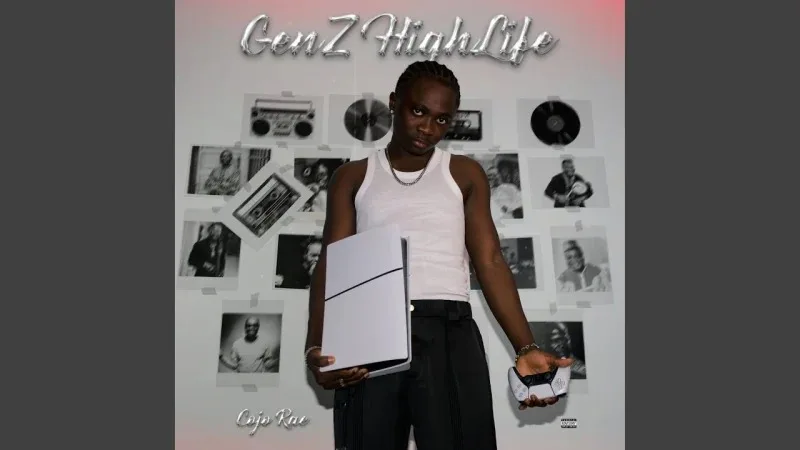
The integration of “Dbee” within the broader tracklist of the Gen Z Highlife album is a testament to Cojo Rae’s structural vision. The album weaves together disparate linguistic elements and regional influences, creating a tapestry that represents the borderless nature of modern African youth culture. A brief, coined phrase like “Dbee” acts as a sonic anchor within this diverse environment. It matches the playful, conversational tone of the project, inviting the listener into a shared space of insider knowledge. When music enthusiasts ask one another whether they have experienced the track, the inquiry invariably opens up a dialogue regarding the broader narrative and cultural context of the album.
Fan Reception and Digital Engagement
Since its deployment across major streaming platforms—including dedicated releases on digital storefronts and accompanying visualizers on YouTube—the track has steadily climbed listener metrics. The digital rollout was strategically designed to maximize accessibility, allowing fans worldwide to stream, share, and dissect the music instantaneously.
Audience reactions have highlighted the track’s strong appeal to demographics that value authenticity, subcultural humor, and insider terminology. Reviewers and musicologists have noted that songs utilizing regional vernacular often achieve higher engagement rates because they foster a sense of community ownership among listeners. Rather than being passive consumers of art, the audience becomes an active participant in propagating the cultural narrative of the song. This dynamic has been particularly evident in digital spaces, where fan-generated content, lyrical interpretations, and social media commentary have amplified the reach of the Gen Z Highlife album far beyond initial release projections.
Broader Industry Implications and the Evolution of Modern Highlife
The success of “Dbee” and the broader Gen Z Highlife album carries significant implications for the contemporary African music industry. It highlights a growing shift away from homogenized pop formulas toward hyper-localized, culturally rich storytelling that still possesses global appeal. As artists like Cojo Rae continue to experiment with indigenous slang, traditional rhythms, and modern production, they redefine what highlife music represents in the twenty-first century.
For decades, highlife was defined by specific instrumentation, social commentary, and regional performance traditions. While these foundational elements remain crucial, the Gen Z iteration proves that the genre is elastic enough to absorb the linguistic quirks and digital-age sensibilities of a younger generation. By anchoring sophisticated musicality in relatable, everyday street culture, Cojo Rae has demonstrated that modern African artistry thrives at the intersection of heritage and innovation.
As the discourse surrounding “Dbee” continues to evolve in digital forums and physical hangouts alike, the track solidifies Cojo Rae’s status as an artist capable of capturing the zeitgeist. Whether the definitive origin of the title is ever officially clarified matters little; the conversations, community engagement, and musical enjoyment it has already generated have successfully fulfilled the primary objective of enduring art: bringing people together through shared curiosity and exceptional sound.