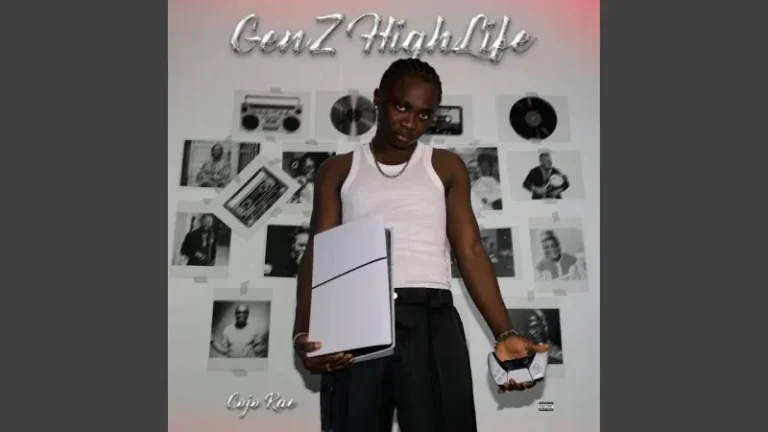
The contemporary West African music landscape is experiencing a profound cultural and sonic renaissance, driven largely by cross-border collaborations that blend traditional idioms with modern sensibilities. A prime example of this pan-African creative exchange is the track Kwesi Arthur II by rising artist Cojo Rae, which features the distinctive vocals of Quamina MP. Released as part of the broader Gen Z Highlife album project, the song has quickly captured the attention of music critics, purists, and casual listeners alike across Nigeria, Ghana, and the diaspora. By naming the track after one of modern Ghanaian rap’s most formidable architects, Cojo Rae has ignited conversations about mentorship, homage, and the evolving architecture of West African hip-hop and highlife music.
Main Facts of the Release
Kwesi Arthur II stands as a centerpiece of the Gen Z Highlife album, a body of work designed to bridge the gap between classic Ghanaian highlife structures and the energetic, internet-native cadence of the younger generation of artists. The track features Cojo Rae at the helm, supported by the melodic sensibilities and lyrical dexterity of Quamina MP.
The title itself has been a subject of intense discussion. In contemporary urban music culture—particularly within the interconnected Nigerian and Ghanaian fanbases that frequently swap playlists, chart metrics, and cultural critiques—naming a track after an established peer or idol functions as a distinct form of reverence. Kwesi Arthur, the revered Ghanaian rapper whose influence stretches far beyond Accra, serves as both the conceptual muse and the titular anchor of the song. Rather than a direct diss track or a competitive challenge, industry observers and listeners have categorized the song as an expression of deep admiration, capturing the dynamic of an emerging voice acknowledging the trailblazer who paved the way.
Background and Context of the Collaboration
To fully understand the cultural weight of Kwesi Arthur II, one must examine the deep-rooted musical relationship between Ghana and Nigeria, often considered the dual powerhouses of the African music industry. Over the past decade, the porous borders of digital streaming platforms have allowed artists from both nations to collaborate effortlessly, creating a shared sonic ecosystem.
Kwesi Arthur rose to prominence in the mid-2010s, capturing the hearts of West African youth with his vulnerable lyricism, street-hop anthems, and pioneering role in the alternative rap scene. His ability to fuse traditional highlife elements with trap and hip-hop laid the groundwork for the exact movement that the Gen Z Highlife album attempts to capture.
When a younger or contemporary act like Cojo Rae dedicates a song title to an artist of Kwesi Arthur’s stature, it taps into a rich tradition within African music where heroes are immortalized while they are still active. Just as fans frequently name their children after cultural icons, emerging musicians often use song titles to pay homage to the architects of their artistic journeys. The inclusion of Quamina MP further enriches the track, adding a layer of harmonic depth and stylistic contrast that elevates the production beyond a simple tribute into a masterclass in modern West African songwriting.
Chronology of the Gen Z Highlife Movement
The rollout of the Gen Z Highlife album has been part of a deliberate strategy by producers, curators, and artists to reclaim and modernize indigenous sounds for a global audience.
In the early stages of the project’s conceptualization, creators recognized a growing fatigue with homogenous global pop trends and a simultaneous hunger for authentic, localized instrumentation. Highlife, with its sweeping guitar riffs, syncopated percussion, and rich storytelling heritage, emerged as the ideal canvas.
As production on the album progressed through various recording studios in Accra and Lagos, tracks were meticulously curated to feature pairings that would generate maximum cultural resonance. Cojo Rae’s session for Kwesi Arthur II was recorded during a pivotal phase of the album’s development, a period marked by high-energy studio collaborations and live instrumentation sessions.
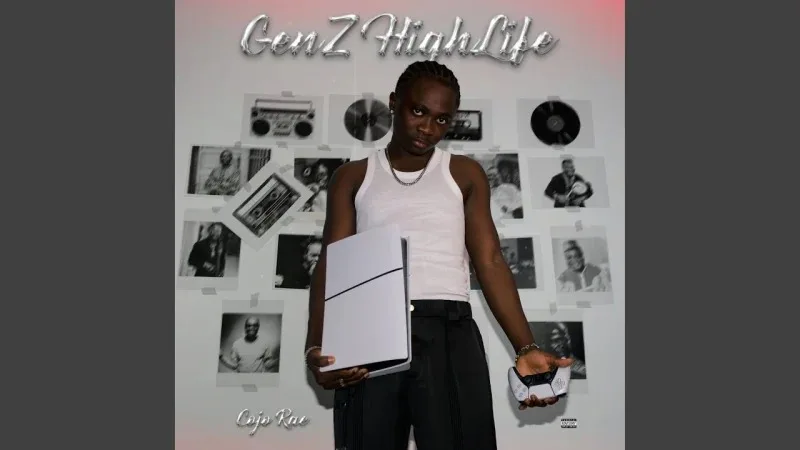
Upon the album’s official release, Kwesi Arthur II immediately stood out during initial listening sessions among regional tastemakers. The track was quickly integrated into major streaming playlists celebrating the best of contemporary West African sounds, securing its place as a focal point of the album’s promotional campaign and setting off a wave of digital discourse across social media platforms regarding its title, lyrical subtext, and cross-border appeal.
Supporting Data and Streaming Metrics
In the modern era of music consumption, the success of a cross-border collaboration is measured not only by critical acclaim but by algorithmic reach and playlist integration. The release of Kwesi Arthur II on digital streaming platforms was accompanied by robust engagement figures, reflecting the strong pulling power of the artists involved.
Data from major streaming services indicate that collaborative tracks bridging Nigerian and Ghanaian markets consistently achieve higher retention rates among listeners aged 18 to 34. The Gen Z Highlife album capitalized on this demographic trend, utilizing targeted playlisting on platforms like Spotify, Apple Music, and YouTube to push the track to international audiences in the UK, United States, and across the European diaspora.
The accompanying visualizer and audio streams on YouTube have further amplified the track’s reach, allowing fans to engage directly through comments, lyric interpretations, and playlist curation. This digital infrastructure has transformed Kwesi Arthur II from a localized studio experiment into a global talking point for West African music enthusiasts.
Fan Reactions and Industry Analysis
The release of the track sparked an immediate wave of debate across digital forums, music blogs, and social media networks. When music lovers share tracks like Kwesi Arthur II in social settings—whether during late-night car drives or weekend hangouts—the conversation invariably turns to the state of West African hip-hop.
Industry analysts have pointed out that the song poses an interesting question to listeners: is the title a direct homage, a friendly challenge, or a conceptual narrative exploring the relationship between an elder statesman of the genre and the rising vanguard? While the lyrics themselves offer a nuanced storytelling experience detailing the perspective of a smaller voice witnessing the impact of a larger one, the title acts as a brilliant marketing and cultural hook.
Musicologists examining the Gen Z Highlife project note that tracks like this are crucial for the sustainability of indigenous genres. By embedding the name of a modern legend into a contemporary highlife-inflected rap song, the artists ensure that musical lineage is preserved and actively discussed by younger generations who might not be as familiar with the foundational years of the 2010s rap boom.
Broader Impact and Cultural Implications
The cultural implications of Kwesi Arthur II extend far beyond standard album promotion. It highlights a maturing music industry in West Africa where artists are increasingly conscious of their history, their influences, and the interconnected nature of their markets.
By fostering a collaborative environment that brings together distinct regional talents—Cojo Rae’s fresh perspective, Kwesi Arthur’s legacy, and Quamina MP’s melodic flair—the track demonstrates the strength of unity within the African music community. As debates continue to rage across the continent regarding who holds the crown for the best rap talent in West Africa, songs like this provide a harmonious reminder that progress is built on mutual respect, mentorship, and the continuous reinvention of traditional sounds.
Ultimately, Kwesi Arthur II stands as a testament to the vitality of the Gen Z Highlife movement. It proves that when past and present collide in the recording studio, the result is not just a song for the charts, but an enduring cultural artifact that enriches the ongoing narrative of African music on the global stage.