A Nation at the Crossroads: The Political Landscape
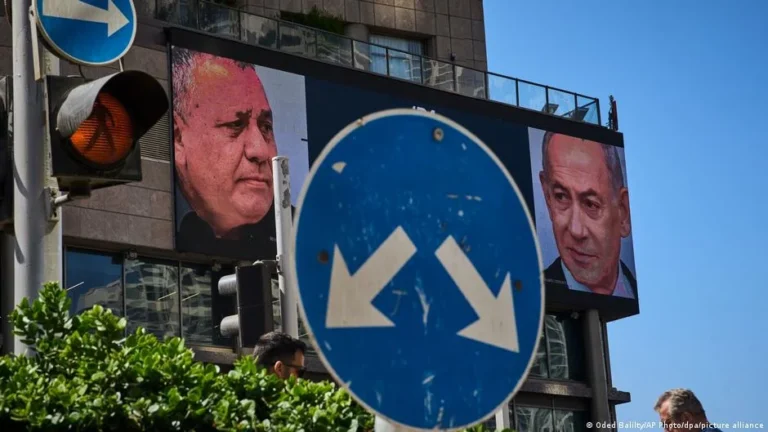
The current electoral race has coalesced into a fierce contest between Benjamin Netanyahu and his primary challenger, Gadi Eisenkot. Eisenkot, the former Israel Defense Forces (IDF) Chief of Staff and the figurehead of the centrist "Yashar" party, has campaigned on a platform of security reform and a return to institutional stability. Netanyahu, meanwhile, has leaned heavily into his identity as a wartime leader, positioning himself as the only figure capable of managing the complex security threats emanating from Tehran.
The stakes are underscored by external pressures, most notably from the United States. President Donald Trump has issued a high-stakes endorsement of Netanyahu, describing him as a "warrior prime minister" and suggesting that a change in leadership could jeopardize the strategic partnership between Washington and Jerusalem. Trump’s blunt assessment—that the U.S. would not intervene in the Iran conflict if a "wrong leader" were in power—has turned the election into a referendum on Israel’s future military and diplomatic strategy.
Chronology of the Crisis: From October 7 to the Iran Front
To understand the gravity of this election, one must examine the timeline of the last three years:
- October 7, 2023: A massive, coordinated terror attack by Hamas in southern Israel results in the highest single-day loss of life in the country’s history, triggering an immediate and severe security crisis.
- Late 2023–2024: Israel pivots to a multi-front defense strategy, transitioning from a localized campaign against Hamas to a broader regional conflict against Iran and its proxies.
- April 2026: The Islamabad Framework is signed, with Tehran agreeing to cease direct military operations against Israel. This diplomatic window, however, proves fragile.
- October 2026: Reports emerge of potential Israeli plans for strikes on Iranian energy and nuclear infrastructure, causing friction with the U.S. administration, which prioritizes domestic stability ahead of the November 3 midterm elections.
The Iran Factor: Strategic Realities
While the political rhetoric in Israel is heated, experts argue that the underlying policy toward Iran remains remarkably consistent across the political spectrum. Raz Zimmt, lead researcher for the Iran program at the Institute for National Security Studies (INSS), notes that while tactical approaches may vary, the fundamental perception of Iran as an existential threat is shared by both the left and right wings of Israeli politics.
"In the perception of Israel’s factions regarding the Iranian threat, especially the nuclear dimension, there are only minor differences," Zimmt stated. Consequently, the expectation is that regardless of whether Netanyahu or Eisenkot secures the premiership, Israel’s hardline stance on Iran’s regional influence will persist.
The conflict has evolved beyond traditional military engagement. Recent intelligence reports suggest that Iran has developed a strategy of "asymmetric retaliation." Should a new phase of open war erupt, Iranian officials have indicated they possess the capability to target critical infrastructure, including undersea fiber-optic cables in the Persian Gulf and the Strait of Hormuz. Furthermore, Tehran has reportedly identified U.S.-backed data centers and AI-integrated infrastructure in the Middle East as potential targets, signaling a shift toward cyber-warfare and economic sabotage.
Official Responses and the U.S. Influence
The rift between Jerusalem and Washington regarding the timing of military action remains a point of contention. While The Financial Times reported that the Israeli military had prepared plans to target Iranian nuclear facilities and energy hubs around October 10, these reports were later challenged by The Jerusalem Post, which noted a lack of formal directives from the military high command.
This tension highlights a critical dependency: Israel’s operational freedom is inextricably linked to U.S. foreign policy. Danny Citrinovitch, a senior fellow at the INSS, emphasizes that even if Netanyahu were to be replaced, the legacy of his security policies would likely remain deeply embedded in the Israeli establishment. The "security first" doctrine has become the bedrock of Israeli governance, and any shift away from this would require a level of domestic consensus that currently does not exist.
The Diplomatic Opportunity That Never Was
Damon Golriz, a researcher at the Hague Institute for Geopolitics, posits that the failure to fully capitalize on the Islamabad Memorandum represents a significant missed opportunity. The agreement, which saw the presidents of Iran and the U.S. sign off on key security parameters, could have served as a foundation for regional de-escalation.
"For the first time, the fundamental national security interests of Israel were acknowledged in a document signed by the leaders of Iran and the United States," Golriz observed. He argues that while the window for this specific diplomatic framework has seemingly closed, the principles within it—specifically the cessation of anti-Israel rhetoric and the commitment to avoid direct war—remain the only viable path to a long-term resolution. However, within the current Israeli political climate, the prospect of returning to a nuclear deal or engaging in deep-level diplomatic negotiations with Tehran is widely viewed as a non-starter.
Broader Implications for Regional Security
The broader implications of the 2026 election extend far beyond Israel’s borders. The "Axis of Resistance," a network of Iranian-aligned militias, continues to operate under the assumption that the conflict is entering a protracted phase. The transition from regional proxy skirmishes to a potential direct confrontation between Israel and Iran threatens to destabilize global energy markets, as evidenced by Tehran’s threats to the Strait of Hormuz.
For the Israeli public, the upcoming vote is a test of resilience. The "largest historical trauma," as referred to by various analysts, has pushed the national discourse toward a focus on survival and deterrence. Whether the next government chooses to deepen this focus or seeks a path toward diplomatic normalization will define the next decade of Middle Eastern geopolitics.
Analyzing the Future Trajectory
As the polls open, the following factors will likely determine the aftermath:
- Government Stability: A narrow victory for either side could lead to a coalition government, which might moderate the more aggressive stances taken during the campaign.
- U.S. Midterms: The outcome of the U.S. elections on November 3 will be the secondary variable. A change in the American administration or a shift in congressional priorities could force Israel to rethink its military timeline.
- Domestic Economic Pressure: The ongoing war has placed a significant strain on the Israeli economy. Inflation, the costs of defense, and the impact of the conflict on the tech sector will force the new government to prioritize economic stabilization alongside security.
Ultimately, the consensus among analysts is one of caution. While the rhetoric of the campaign trail suggests a radical departure from the status quo, the structural realities of the Iranian threat and the U.S.-Israel alliance suggest a trajectory of continued, albeit potentially better-managed, friction. The next Prime Minister will inherit a nation that has been irrevocably altered by the events of October 7, tasked with the difficult mandate of protecting a citizenry that is as polarized as it is weary of conflict. As the ballots are counted, the world watches to see if the next chapter in this crisis will be one of further escalation or a difficult, incremental turn toward regional stabilization.