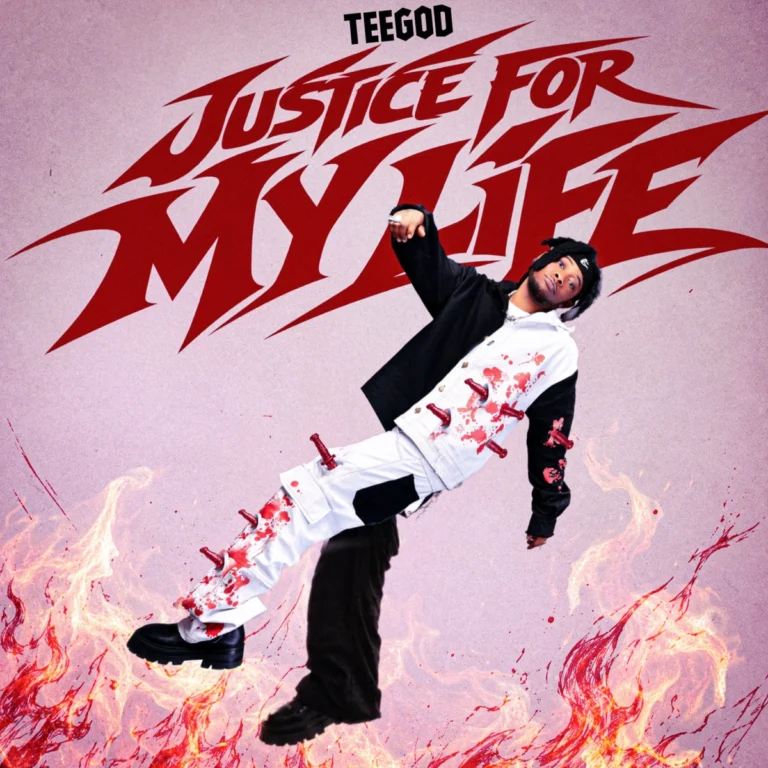
The release of this track, which arrived on digital streaming platforms on October 30, marks a significant inflection point for the Lagos-based artist. Produced by Originalbeats, the song serves as a sonic manifesto for the independent Nigerian music scene, moving away from the ephemeral nature of trending dance-oriented Afrobeats to focus on the grit and psychological fortitude required to sustain a long-term career in a competitive global market.
A Narrative of Resilience and Artistic Evolution
For the emerging artist born into a landscape where the path to stardom is often portrayed as instantaneous, Justice for My Life offers a grounded counter-narrative. The track dissects the silent, often unglamorous stages of professional development: the periods of financial instability, the skepticism of peers, and the internal battles that occur long before an artist reaches the spotlight.
The song’s core lyrical thesis—"They doubted me, I had to do something / I became so good they can’t ignore"—serves as a bridge between the genre’s melodic roots and the assertive storytelling found in contemporary street-hop. This approach aligns with the artist’s broader mission to document his own growth, transforming personal setbacks into universal themes of endurance. By emphasizing that success is a byproduct of self-improvement rather than a stroke of luck, TEEgod positions himself as a voice for the ambitious but overlooked, grounding his music in the reality of the "hustle" culture prevalent in Lagos.
Chronology of a Rising Talent
The development of TEEgod’s career has been marked by a series of deliberate strategic pivots. His trajectory can be traced back to a difficult period during his college years, when he was forced to step away from music entirely due to severe financial constraints. This hiatus, while challenging, became the bedrock of his current identity.
- 2025: After a period of reflection, the artist returned to the industry full-time. He adopted the moniker "TEEgod," a derivation of "Thank God," symbolizing his spiritual approach to his craft.
- Mid-2025: The release of his debut EP, Big Believer, established his brand. The project gained significant traction following a high-profile collaboration with Nollywood personality and content creator Charles "Mr Phenomenal" Okocha for the track Gbogbonise. This partnership provided a crucial boost in visibility, bridging the gap between his niche audience and the mainstream entertainment industry.
- Early 2026: TEEgod continued his momentum with Mma Mma, featuring Zyno TopBoy and distributed via Azuri Music. This release solidified his ability to collaborate within the Afrobeats ecosystem while maintaining his distinct vocal identity.
- Mid-2026: The release of Forever showcased a pivot toward more emotive, ballad-style songwriting, proving his versatility beyond the uptempo beats that dominate the Nigerian airwaves.
- October 30, 2026: The release of Justice for My Life serves as the third major milestone of the year, signaling a shift toward more introspective, autobiographical themes.
Musical Analysis and Industry Context
Musically, the track represents a sophisticated synthesis of influences. TEEgod’s sound is a hybrid, marrying the rhythmic fluidity of Afrobeats with the cadence and lyrical directness of modern rap. By citing influences as diverse as Lil Wayne and Drake—icons of the Western hip-hop sphere—alongside African giants like Burna Boy and Wizkid, the artist is effectively carving out a space in the "Afro-fusion" segment of the market.
Industry analysts observe that this specific blend of genres is currently experiencing a surge in demand. As the global audience for African music expands, listeners are moving toward artists who offer more than just danceable hooks; they are seeking artists with a discernible story. TEEgod’s commitment to this storytelling model allows him to compete not just on the basis of production quality, but on the strength of his personal brand and narrative accessibility.
The Economics of the Independent Artist
The message of Justice for My Life is particularly salient when viewed against the economic backdrop of the Nigerian music industry. For independent artists, the barrier to entry is low, but the barrier to sustainability is incredibly high. Financial commitment—ranging from studio time and production fees to marketing, distribution, and content creation—often outpaces the immediate revenue generated from streaming royalties in the early stages of a career.
TEEgod’s willingness to address these realities in his lyrics resonates with a generation of listeners dealing with their own economic pressures. By speaking openly about the need to "pause, reconsider, and find the determination to continue," he transcends the traditional role of a pop star and enters the space of a relatable public figure. This shift from "star" to "relatable entity" is a proven strategy for building a loyal, long-term fanbase in the digital age.
Broader Implications for the Afrobeats Scene
The success of a track like Justice for My Life holds implications for the direction of the Afrobeats genre. While international audiences often associate the sound with festive, high-energy party music, there is an increasing demand for "Afrobeats with a soul." Artists who utilize their platforms to discuss mental health, financial struggle, and the pursuit of dreams are finding that these topics foster deeper engagement and higher retention rates than purely commercial tracks.
Furthermore, the collaboration with entities like Azuri Music for distribution reflects a broader trend of independent artists moving away from traditional label structures in favor of agile, tech-forward distribution partners. This allows artists to retain creative control over their narrative and catalog, ensuring that their work remains a true reflection of their life experiences.
Official Positioning and Future Outlook
As of November 2026, the reception to Justice for My Life has been characterized by positive feedback from the independent blogosphere and niche music platforms. While official streaming figures are still accumulating, the industry consensus suggests that TEEgod is successfully transitioning from an "emerging" artist to a "developing" one.
In official communications regarding the release, representatives for the artist have emphasized that the track is not an isolated endeavor but part of a larger, evolving catalogue. With an official visualiser currently in production to accompany the single, the goal is to maximize the visual impact of the track’s message. By integrating high-quality visual storytelling with his distinct brand of rap-influenced Afrobeats, TEEgod is positioning himself to maintain his presence in a saturated market.
The "Big Believer" moniker, which originated from his 2025 EP, remains his professional tagline. It serves as a reminder to his audience—and perhaps to himself—that the journey is the reward. As he continues to navigate the complexities of the Nigerian music industry, his focus remains on building a sustainable career that prioritizes authenticity over the fleeting nature of viral success.
The release of Justice for My Life is more than just a musical contribution; it is a testament to the persistence required to navigate the modern music industry. Whether the listener is an aspiring creative, a student, or a professional in any field, the track provides a clear, unwavering message: that the effort exerted in the dark is what ultimately defines the success achieved in the light. For TEEgod, the work has only just begun, but the foundation he has laid in 2026 suggests that he is well-equipped for the long road ahead.
Listeners can access the track via various digital service providers and stay updated on the artist’s future projects through his official channels on X and Facebook, as he prepares for the next phase of his career development.