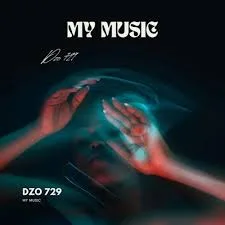
South African electronic music producer and singer Dzo 729 has officially delivered the grand finale to his ambitious long-player project with the release of the album’s twentieth and final track, When Jazz Calls. Serving as the dramatic denouement to the expansive body of work titled My Music, this concluding composition represents a masterclass in album sequencing and conceptual storytelling within the contemporary South African music landscape. Rather than acting as a mere afterthought or a standard bonus track, When Jazz Calls was conceptualized from the inception of the recording process to function as the definitive emotional and sonic closure for an exhaustive twenty-track journey. The release underscores Dzo 729’s meticulous approach to record production, highlighting a growing trend among premier African artists who prioritize cohesive, album-oriented listening experiences over the single-driven consumption models that have recently dominated global streaming platforms.
The trajectory of the My Music project has been a subject of intense discussion among music critics and fans of South African house, soulful jazz, and electronic genres since its rollout began. Dzo 729, known for his ability to seamlessly blend traditional rhythms with sophisticated harmonic structures, approached the creation of the album with a rigorous, project-first methodology. Instead of producing isolated tracks and assembling them post-production, the artist curated a narrative arc that unfolds progressively across the entire runtime of the record. Each of the twenty tracks acts as a distinct movement within a larger symphony, guiding the listener through shifting emotional states, rhythmic explorations, and sonic textures. When Jazz Calls occupies a crucial structural role in this architecture, designed specifically to resolve the tensions built up over the preceding nineteen songs while leaving a lasting impression of artistic completion.
To fully understand the weight and significance of When Jazz Calls, one must examine the broader cultural and industrial context in which the My Music project was developed and released. The South African music ecosystem has experienced an unprecedented surge in global recognition over the past half-decade, driven largely by the explosive popularity of Amapiano and its various subgenres, as well as a vibrant resurgence of contemporary jazz and soulful house. Within this hyper-dynamic environment, artists face immense commercial pressure to release frequent, bite-sized singles designed for quick algorithmic consumption and viral social media moments. However, a cadre of visionary producers and singer-songwriters has pushed back against this trend, choosing instead to invest their creative energy into expansive, conceptual albums that demand active, immersive listening from start to finish. Dzo 729’s My Music stands as a monumental contribution to this artistic resistance, proving that deep-dive long-form projects can still capture the public imagination and command critical acclaim.
The chronology of the My Music rollout highlights a strategic, measured release schedule aimed at building anticipation and allowing audiences to digest the multifaceted nature of Dzo 729’s artistry. Production on the album began years prior to its official release, with the artist locking himself in the studio to experiment with diverse instrumentation, vocal collaborations, and genre-blending compositions. As early teasers and promotional singles trickled out to streaming platforms, industry insiders noted a distinct departure from standard formulaic club tracks. The songs featured intricate jazz chord progressions layered over deep, hypnotic basslines, accompanied by evocative vocal performances that spoke to themes of identity, resilience, and spiritual perseverance. By the time the full twenty-track LP dropped, listeners were already primed for a comprehensive artistic statement, yet the sheer scope of the project still managed to exceed expectations.
At the heart of this comprehensive statement is When Jazz Calls, a track that bridges the gap between traditional South African jazz sensibilities and modern electronic production techniques. Musically, the song relies on lush, atmospheric keyboard chords, intricate percussion work, and a walking bassline that instantly evokes the smoky, sophisticated ambiance of a late-night jazz club. However, the modern production values—crisp mixing, spatial audio staging, and subtle sub-bass reinforcement—ensure that the track feels entirely contemporary and tailored for high-end sound systems as well as intimate headphone listening. The interplay between the organic instrumentation and the synthetic elements mirrors the overarching theme of the My Music album: a bridge connecting the rich musical heritage of South Africa’s past with the cutting-edge innovations of its digital future.
Musicologists and industry analysts have pointed out that the strategic placement of When Jazz Calls at position number twenty is a deliberate artistic choice designed to encourage active album-listening habits. In an era where shuffle buttons and automated playlists often dismantle the intended flow of a record, Dzo 729 has crafted a sequence where the listener is rewarded for experiencing the work from the first track to the last. The song functions as a narrative resolution, offering a sense of calm and reflection after the high-energy peaks and complex emotional valleys encountered earlier in the tracklist. It forces the audience to reflect upon the preceding journey, transforming a passive listening session into an engaged, meditative experience. This holistic approach to storytelling through sound elevates the entire project from a standard commercial release to a definitive cultural artifact of modern South African art.
Reactions from the music community and fellow artists have been overwhelmingly positive, with many praising Dzo 729 for his uncompromising artistic vision. In statements shared across various digital platforms, collaborators and industry peers have highlighted the producer’s dedication to his craft, noting that the creation of a twenty-track cohesive album requires immense discipline, technical skill, and emotional stamina. Critics have particularly lauded the seamless transition between genres throughout the LP, culminating in the sophisticated jazz-infused closure of the project. This critical consensus reinforces Dzo 729’s status not just as a hitmaker, but as a serious composer and auteur within the broader landscape of African popular music.
The broader implications of My Music and its concluding track, When Jazz Calls, extend far beyond the immediate commercial success of the release. By demonstrating that complex, long-form conceptual albums can resonate with modern audiences, Dzo 729 has set a new benchmark for artistic integrity in South African music production. The project challenges record labels and streaming curators to rethink how they present music to the public, advocating for formats that respect the artist’s original vision and sequencing. Furthermore, the global visibility of the album helps to dismantle rigid genre boundaries, showcasing the immense versatility of South African creators who refuse to be pigeonholed into a single commercial category.
As fans continue to dissect the layers of My Music and explore the intricate details of When Jazz Calls, the release solidifies a landmark moment in Dzo 729’s career. It marks the culmination of years of sonic experimentation, stylistic refinement, and cultural storytelling. For a music industry constantly racing toward the next viral trend, this twenty-track masterpiece serves as a powerful reminder of the enduring value of patience, depth, and holistic artistic expression. Through When Jazz Calls, Dzo 729 has not only brought his grandiose project to a breathtaking close but has also left an indelible mark on the evolving narrative of African contemporary music, ensuring that his artistic legacy will be studied and appreciated for years to come.