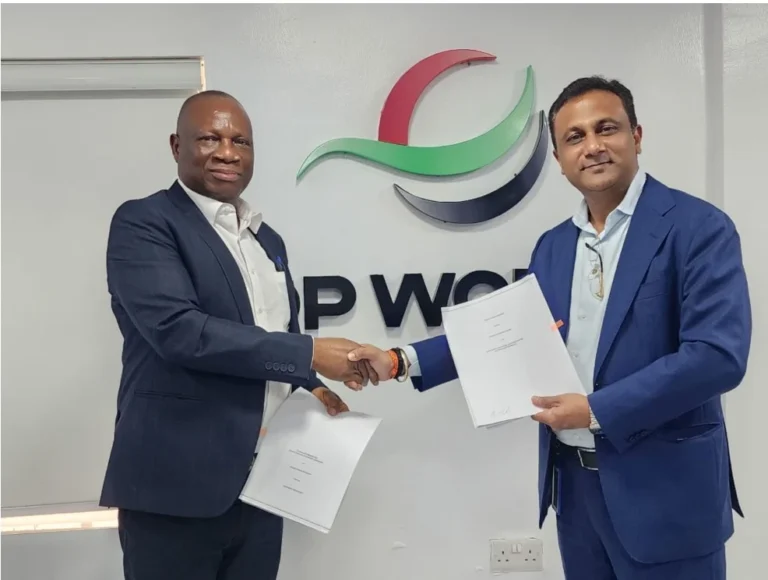
The Nigerian pharmaceutical landscape is undergoing a significant transformation following the formalization of a strategic partnership between DP World Healthcare Nigeria and indigenous manufacturer Miraflash Nigeria Limited. Sealed on 14 October, this Memorandum of Understanding (MoU) signifies a pivotal shift in how locally manufactured medicines reach patients across the country, aiming to bridge the long-standing gap between pharmaceutical production and retail accessibility. By integrating Miraflash’s two decades of manufacturing expertise with DP World’s global-standard logistics infrastructure, the collaboration is positioned to address critical inefficiencies in Nigeria’s healthcare supply chain.
Bridging the Gap: The Logistics Challenge in Nigerian Healthcare
For years, the Nigerian pharmaceutical sector has struggled with a fragmented distribution network. While local manufacturers like Miraflash have consistently produced high-quality medications, the ability to maintain consistent supply levels in remote or underserved areas has been hindered by inadequate cold-chain facilities, poor storage conditions, and inefficient last-mile delivery mechanisms.
Pharm. Chief Moses Oluwalade, managing director of Miraflash Nigeria Limited, highlighted that the primary obstacle to the company’s growth has rarely been the quality of the product, but rather the complexity of the logistics required to move those products safely. In many instances, the lack of climate-controlled storage throughout the transit process has compromised the efficacy of sensitive medical supplies. Through this new partnership, Miraflash aims to bypass these traditional bottlenecks by leveraging DP World Healthcare’s sophisticated warehousing network, which spans across all six geopolitical zones in Nigeria. This collaboration is designed to ensure that the integrity of pharmaceuticals is preserved from the moment they leave the manufacturing facility until they reach the shelves of community pharmacies and hospitals.
A Chronology of Strategic Expansion
The partnership is the result of months of collaborative discussions focused on scaling local pharmaceutical capabilities. The timeline for this development began earlier this year as DP World Healthcare signaled its intent to deepen its footprint in West Africa.
Following initial feasibility studies regarding the logistics requirements of mid-to-large-scale indigenous manufacturers, executives from both organizations identified a strong synergy. The formal signing on 14 October marks the operational commencement of this integration. According to project timelines, the next phase will involve the immediate transition of Miraflash’s distribution logistics into the DP World ecosystem. By the end of the first quarter of next year, both companies expect to report a measurable increase in product availability across Tier-2 and Tier-3 cities, which have historically faced the greatest challenges in accessing affordable, locally produced essential medicines.

Infrastructure and Operational Capacity
DP World Healthcare’s role in this partnership is underpinned by its extensive physical infrastructure. Currently, the company operates 11 pharmaceutical-grade warehouses strategically located to facilitate efficient national coverage. These facilities are built to meet international Good Distribution Practice (GDP) standards, ensuring that temperature-sensitive products remain within strictly regulated environmental parameters.
Naveen Pala, managing director of DP World Healthcare Nigeria, has outlined an aggressive growth strategy. With plans to expand the network to between 15 and 20 facilities within the next 24 months, the company is positioning itself as the primary logistics backbone for the Nigerian health sector. The investment in these facilities is not merely about storage; it is about decentralizing the supply chain to reduce the lead time between manufacturing and patient access. By utilizing advanced tracking technologies and cold-chain logistics, DP World intends to minimize the wastage that often occurs due to product expiration or damage during transit—a common issue in the industry that directly impacts the cost of medication for the end consumer.
Economic and Regulatory Implications
The broader impact of this partnership extends beyond the two companies involved. It touches on the federal government’s ongoing efforts to promote the "Made in Nigeria" initiative within the healthcare sector. By supporting indigenous firms like Miraflash, the partnership reduces the nation’s reliance on imported finished products, potentially lowering the cost of healthcare in the long run.
From a regulatory perspective, this collaboration aligns with the National Agency for Food and Drug Administration and Control (NAFDAC) guidelines on the proper storage and distribution of medicines. As pharmaceutical oversight in Nigeria becomes more stringent, the shift toward professionalized logistics providers like DP World is expected to become the industry standard. Analysts suggest that this partnership may serve as a blueprint for other local manufacturers, demonstrating that the path to market leadership in the modern era is through integrated supply chain partnerships rather than attempting to manage logistics in-house.
Stakeholder Perspectives and Future Outlook
The ceremony on 14 October was attended by a high-level delegation, including Gugulethu Mayisela, vice-president of Finance (Healthcare Africa), and Mani Balasubramanian, vice-president of Finance (Healthcare West Africa). Their presence underscores the importance of this project to the broader African strategy of DP World. The involvement of finance executives suggests that the project is not just a distribution agreement but a long-term capital-intensive commitment to the Nigerian market.
For Miraflash, the partnership provides the necessary support for scaling operations. By offloading the burden of logistics and demand generation to a partner with over 25 years of experience in the field, Miraflash can redirect its resources toward research, development, and increasing production capacity. This division of labor is expected to yield higher operational efficiency, allowing for a more agile response to spikes in demand for essential medicines during health crises or seasonal disease outbreaks.

Addressing the Last-Mile Delivery Gap
One of the most significant challenges in Nigerian healthcare is the "last-mile" delivery, particularly in rural areas. While urban centers often have access to a variety of medications, rural health clinics frequently suffer from stockouts of even the most basic pharmaceutical supplies. DP World’s commitment to expanding its reach suggests that this partnership is not just targeting high-volume urban pharmacies but is also designed to integrate with smaller community providers.
By optimizing the hub-and-spoke distribution model, DP World and Miraflash are creating a system where stock is moved from central, temperature-controlled warehouses to regional nodes, and eventually to local dispensaries with high frequency. This reduction in the supply cycle is expected to improve the "time-to-market" for critical treatments. Furthermore, the partnership includes provisions for marketing support and regulatory assistance, which will help Miraflash navigate the complex legal requirements for expanding their product portfolio into new therapeutic areas.
The Future of Nigerian Pharmaceutical Logistics
As the partnership matures, the industry will be watching to see how the increased efficiency translates into consumer-facing benefits, particularly regarding price stability. When supply chains are optimized, the reduction in logistics-related losses and the minimization of middleman markups can create room for more competitive pricing.
The collaboration between DP World Healthcare and Miraflash is a clear indicator that the Nigerian pharmaceutical sector is maturing. It represents a transition from fragmented, traditional distribution methods to a more integrated, technology-driven model. If the project meets its stated goals of expanding infrastructure and improving market accessibility, it could serve as a catalyst for similar partnerships, ultimately strengthening the resilience of Nigeria’s healthcare system against external supply chain shocks.
In conclusion, the alliance between DP World Healthcare and Miraflash Nigeria Limited is a significant development for the local pharmaceutical industry. By combining the strengths of an established global logistics leader with the manufacturing prowess of a local company, the partnership addresses the critical need for reliable, high-quality, and accessible medicines. As the project rolls out over the next two years, the integration of 15 to 20 state-of-the-art warehouses and the adoption of advanced cold-chain technology will likely set a new benchmark for pharmaceutical distribution excellence in West Africa. The success of this endeavor will not only benefit the stakeholders involved but will also contribute to a more robust, efficient, and patient-centered healthcare system for all Nigerians.