
In a landmark decision that could radically transform the global landscape of HIV prevention, the United States Food and Drug Administration (FDA) has approved the first generic version of lenacapavir. Developed by India-based pharmaceutical manufacturer Dr. Reddy’s Laboratories, the twice-yearly injectable drug offers near-total efficacy in blocking HIV transmission. This regulatory milestone shatters traditional timelines for medication access, arriving a mere 16 months after the brand-name version—manufactured by Gilead Sciences under the trade name Sunlenca—received its initial approval.
Priced projected at just $40 annually for the two necessary injections, the generic formulation is poised to revolutionize prophylactic care across the developing world. The approval marks a major triumph for a broad coalition of global health organizations, public-private partnerships, and pharmaceutical innovators working in tandem to bypass the decade-long lag that has historically delayed life-saving treatments from reaching resource-limited regions.
A Landmark Licensing Agreement and Targeted Access
The swift approval of Dr. Reddy’s generic lenacapavir is the direct result of a strategic non-exclusive, royalty-free voluntary licensing agreement forged with Gilead Sciences in October 2024. Under the terms of this pact, Gilead granted production rights to six generic pharmaceutical manufacturers, empowering them to develop, manufacture, and distribute low-cost versions of the advanced antiretroviral drug.
However, the geographic reach of these generics is strictly regulated. The licensing agreement restricts distribution to 120 high-incidence, resource-limited countries—primarily across sub-Saharan Africa, parts of Asia, and other regions disproportionately burdened by the HIV epidemic. By focusing on these high-need territories, the initiative seeks to maximize public health impact where conventional prevention tools have fallen short of halting new infections.
Supply chain logistics are already moving at an unprecedented pace. Shipments of the newly approved generic are expected to arrive in target countries by the end of this year, with Zambia anticipated to be among the first nations to receive initial supplies.

Overcoming Development Hurdles Through Global Collaboration
Bringing a complex, long-acting injectable drug from laboratory conceptualization to regulatory approval in record time is no small feat. Dr. Reddy’s Laboratories did not navigate this intricate pathway alone. The company received critical financial, technical, and regulatory support from Unitaid, the Wits Reproductive Health and HIV Institute (Wits RHI), and the Clinton Health Access Initiative (CHAI).
Deepak Sapra of Dr. Reddy’s described the FDA clearance as a moment of immense corporate and humanitarian pride. Developing a complex long-acting injectable like lenacapavir at an affordable price point, Sapra noted, required advanced scientific capabilities, specialized manufacturing expertise, and the infrastructure to produce pharmaceuticals reliably at scale.
Public health leaders have lauded the collaborative model as a blueprint for future global health interventions. Dr. Philippe Duneton, executive director of Unitaid, emphasized the vital role of early institutional risk-taking in compressing the timeframe between scientific discovery and on-the-ground availability.
Echoing this sentiment, CHAI CEO Dr. Neil Buddy Shah highlighted the sheer speed of the regulatory triumph. Securing generic approval a mere 16 months after the originator product, rather than the historical average of a decade or more, demonstrates what can be accomplished when equitable access is prioritized from the outset. Shah argued that this accelerated paradigm should become the new international standard for global health governance.
The Clinical Promise of Long-Acting PrEP
For decades, oral pre-exposure prophylaxis (PrEP) has served as a cornerstone of HIV prevention strategies. Typically taken as a daily pill, oral PrEP has successfully protected countless individuals from acquiring the virus. Yet, adherence remains a formidable barrier. Daily pill fatigue, combined with persistent social stigma, fear of disclosure, and the logistical burdens of refilling prescriptions, often leads users to discontinue the regimen.
Lenacapavir addresses these compliance hurdles head-on. Administered as a subcutaneous injection just twice a year, the drug provides sustained protection with minimal disruption to a patient’s daily life. Clinical trials have demonstrated that lenacapavir is virtually 100% effective at preventing HIV acquisition, outperforming daily oral alternatives in real-world adherence metrics.
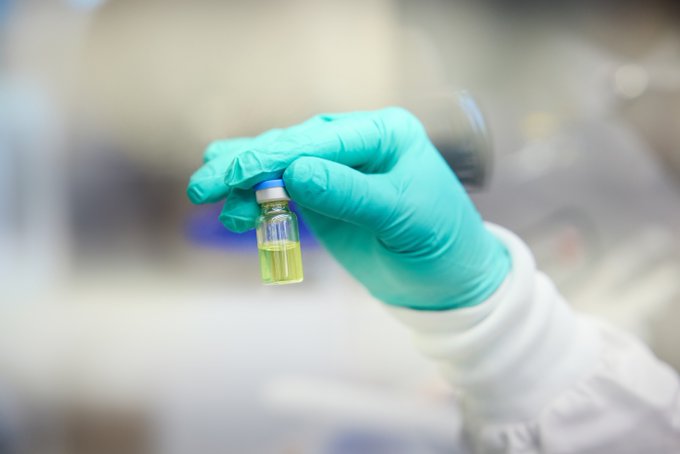
As Dr. Shah articulated, asking individuals at risk of HIV to take a pill every day to prevent a disease they do not yet have presents a psychological and behavioral challenge. Reducing the requirement to two visits a year with a near-perfect protective agent fundamentally transforms the prevention landscape. According to recent public health data, more than 125,000 individuals across Africa have already initiated lenacapavir therapy under early rollout frameworks. The introduction of a $40 generic option now paves the way for millions more to access the intervention.
Navigating Healthcare Infrastructure and Implementation Challenges
Despite the monumental promise of a low-cost, long-acting preventative injection, global health experts caution that regulatory approval and affordable pricing are only part of the equation. Professor Saiqa Mullick of Wits RHI warned that an affordable generic drug alone cannot vanquish the epidemic without robust, responsive local healthcare systems.
Translating drug availability into actual averted infections requires systemic preparedness. Healthcare facilities must be equipped to store and administer long-acting injectables, medical providers must receive comprehensive training to confidently offer and explain the new prevention option, and local communities must be actively engaged as partners in introduction and scale-up efforts. Without these foundational elements, disparities in healthcare access could prevent the drug from reaching the most vulnerable and marginalized populations.
To bridge the gap between regulatory clearance and tangible community impact, Unitaid, Wits RHI, and CHAI are coordinating closely with a coalition of international stakeholders. Key partners include national governments, affected communities, the Global Fund, the US Bureau of Global Health Security and Diplomacy (GHSD), and the Bill & Melinda Gates Foundation. This collaborative network is actively working to support country-level introductions, foster community-led demand generation, and gather real-world epidemiological evidence to optimize lenacapavir delivery among diverse, underserved demographics.
Broader Implications for Global Health Equity
The rapid generic approval of lenacapavir marks a watershed moment not only for HIV prevention, but for the broader philosophy of global pharmaceutical distribution. Historically, residents of low- and middle-income countries have faced profound delays in accessing breakthrough medical technologies due to patent protections, high manufacturing costs, and tiered pricing models that favor wealthy nations.
By demonstrating that cross-border partnerships between originator pharmaceutical companies, generic manufacturers, philanthropic foundations, and global health agencies can compress access timelines to under two years, the lenacapavir precedent establishes a powerful new benchmark. If replicated across other therapeutic areas—such as oncology, cardiovascular disease, and emerging infectious threats—this collaborative framework could permanently reshape the economics of global medicine, ensuring that scientific innovation translates swiftly into universal human survival.