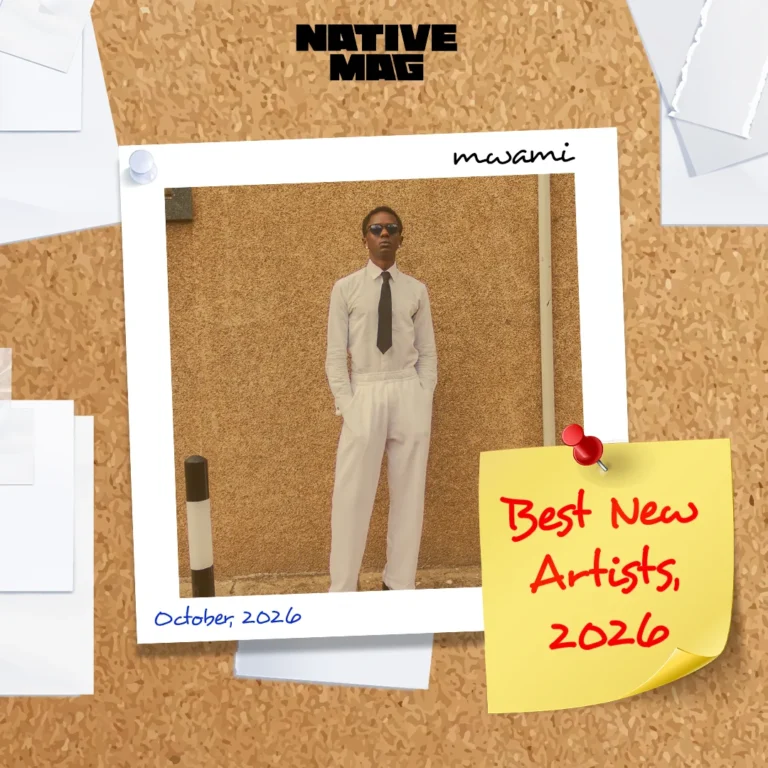
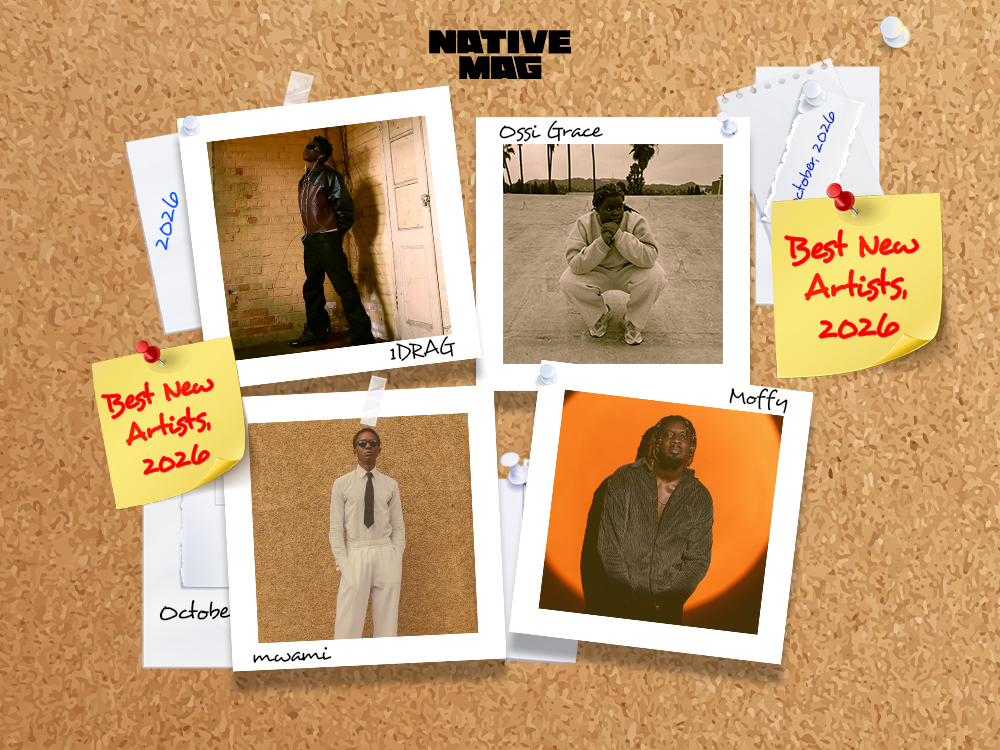
In an era increasingly dominated by the homogenized output of mainstream music giants and the rising encroachment of algorithmic composition, the preservation of raw, human-centric artistry has become a critical cultural imperative. The October 2026 cohort of our monthly column, uNder, serves as a testament to this resilience, spotlighting four acts—Moffy, Ossi Grace, mwami, and 1DRAG—who are not merely participating in the current musical landscape but are actively reshaping it. These artists represent a departure from the status quo, utilizing their unique vantage points across the African continent and its diaspora to synthesize genres, challenge traditional song structures, and reassert the primacy of the human experience in sound.
The significance of these inductees lies in their ability to reconcile the rich, historical tapestry of African musical heritage with the forward-thinking demands of global alternative music. As the industry faces the existential challenge of artificial intelligence, these artists demonstrate that artistic expression remains tethered to personal history, localized cultural nuance, and the complexities of lived reality.
Moffy: Reimagining the Ghanaian Alternative Soundscape
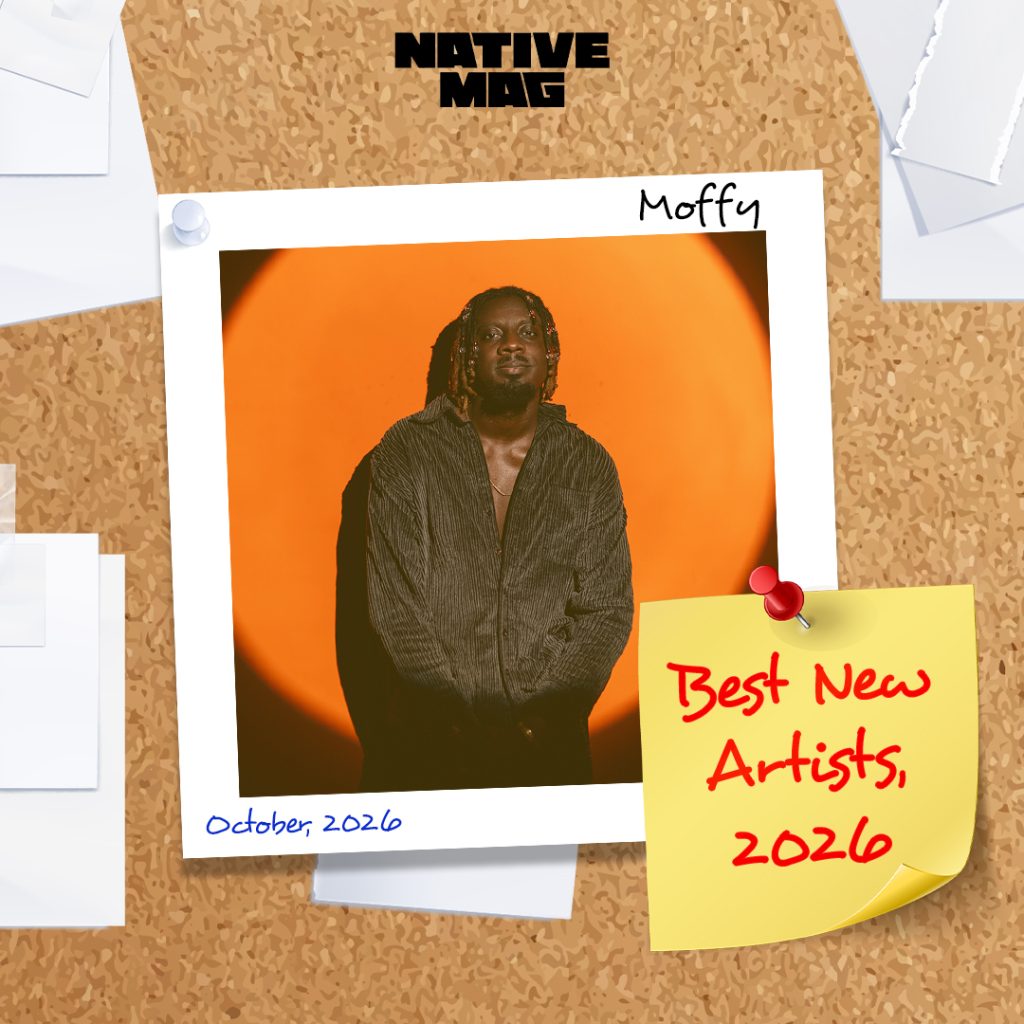
Hailing from Accra, Moffy has emerged as a pivotal figure in the post-2020 West African creative surge. His work functions as an auditory map of Ghana’s capital, capturing both its frantic energy and its moments of profound, soulful introspection. As a key member of the 99 PHACES collective, Moffy has been instrumental in dissolving the borders between R&B, Bebop, and Jazz, crafting an aesthetic that is as technically proficient as it is emotionally accessible.
Moffy’s trajectory began in 2022 with the release of “Slide,” an Afropop-leaning track that established his signature vocal warmth. Throughout 2022 and 2023, his discography expanded through a series of collaborations with artists such as Kynglouy, CozyPols, and Freddie Gambini, exploring themes of personal development and romantic evolution. His 2024 single, “Care For Me,” featuring Loise, marked a refinement in his production choices, emphasizing a more melodic, expansive sound. By 2026, Moffy’s collaborative spirit has solidified his position in the industry; his recent releases, “COMPANY” with Darkua and the highlife-infused “STAY” featuring Marince Omario and KOO Junior, showcase an artist who has successfully navigated the transition from promising newcomer to a sophisticated architect of contemporary Ghanaian alternative music.
Ossi Grace: Navigating the Intersection of Soul and Self-Discovery
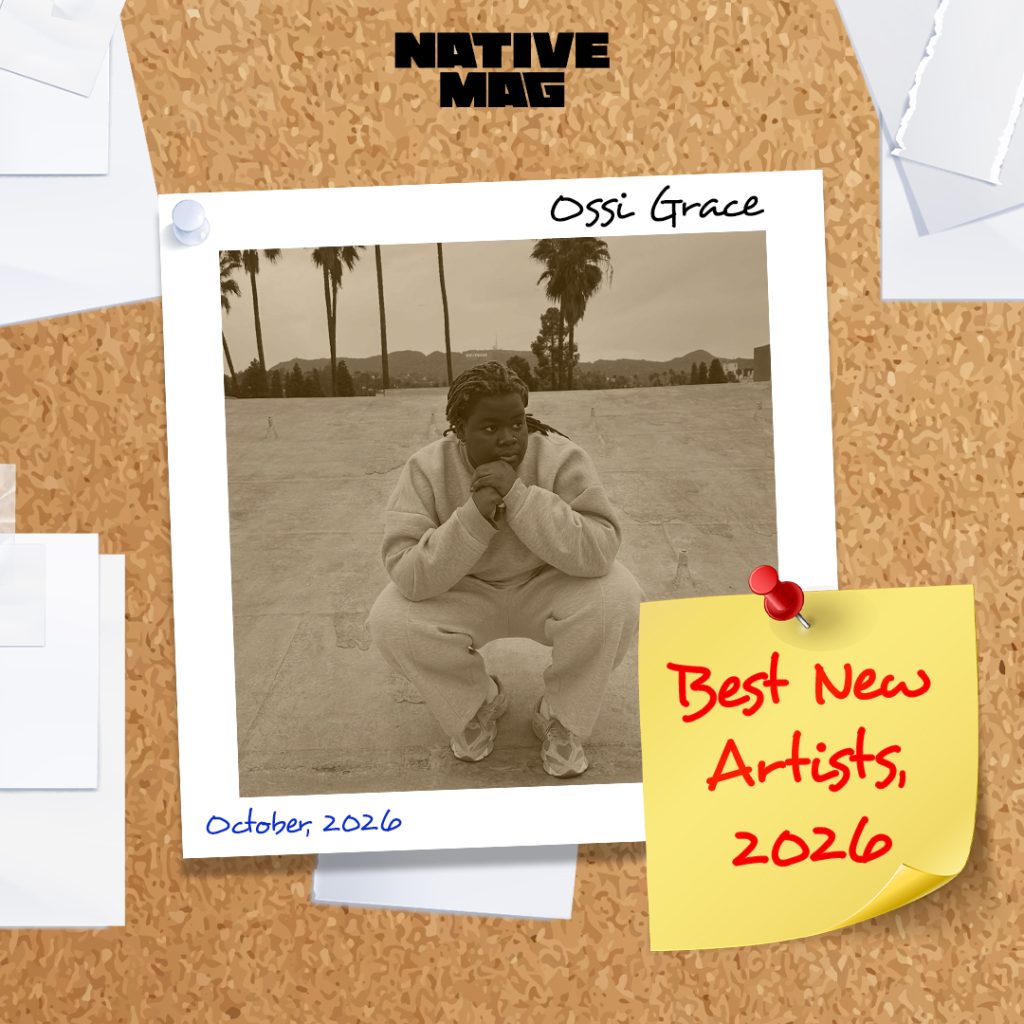
The career of Nigerian singer-songwriter Ossi Grace offers a compelling case study in the power of patience and persistence within the music industry. Moving from behind-the-scenes songwriting—including a notable feature on M.I. Abaga’s 2022 album, The Guy—to the forefront of the alternative soul scene, Grace has cultivated a sound that is deeply personal and sonically layered.
Her journey is one of structural evolution. After a period of working in non-musical fields, a pivotal opportunity in a professional studio environment catalyzed her shift toward a solo career. Her debut single, “Reason” (2024), set the tone for her subsequent work: a blend of lo-fi synths, organic instrumentation, and vulnerable, narrative-driven lyrics. This culminated in her October 2025 debut EP, In A Hopeless Place. The 11-track project served as a definitive statement, exploring the paradoxes of living in Lagos—a city that demands resilience while offering fleeting moments of euphoria.
The critical and commercial reception of In A Hopeless Place was significant, earning Grace a spot on Apple Music’s Africa Rising program and recognition from international music media. Her 2026 collaboration with British artist DC on “Halo’s Fade” further expanded her reach, illustrating the cross-pollination between the Nigerian underground scene and the UK’s garage-influenced circuits. Her work is not merely pop; it is a document of the Nigerian experience, marked by a “blue-toned” aesthetic that reflects the reality of finding light within challenging social environments.
mwami: The World-Builder of the East African Underground
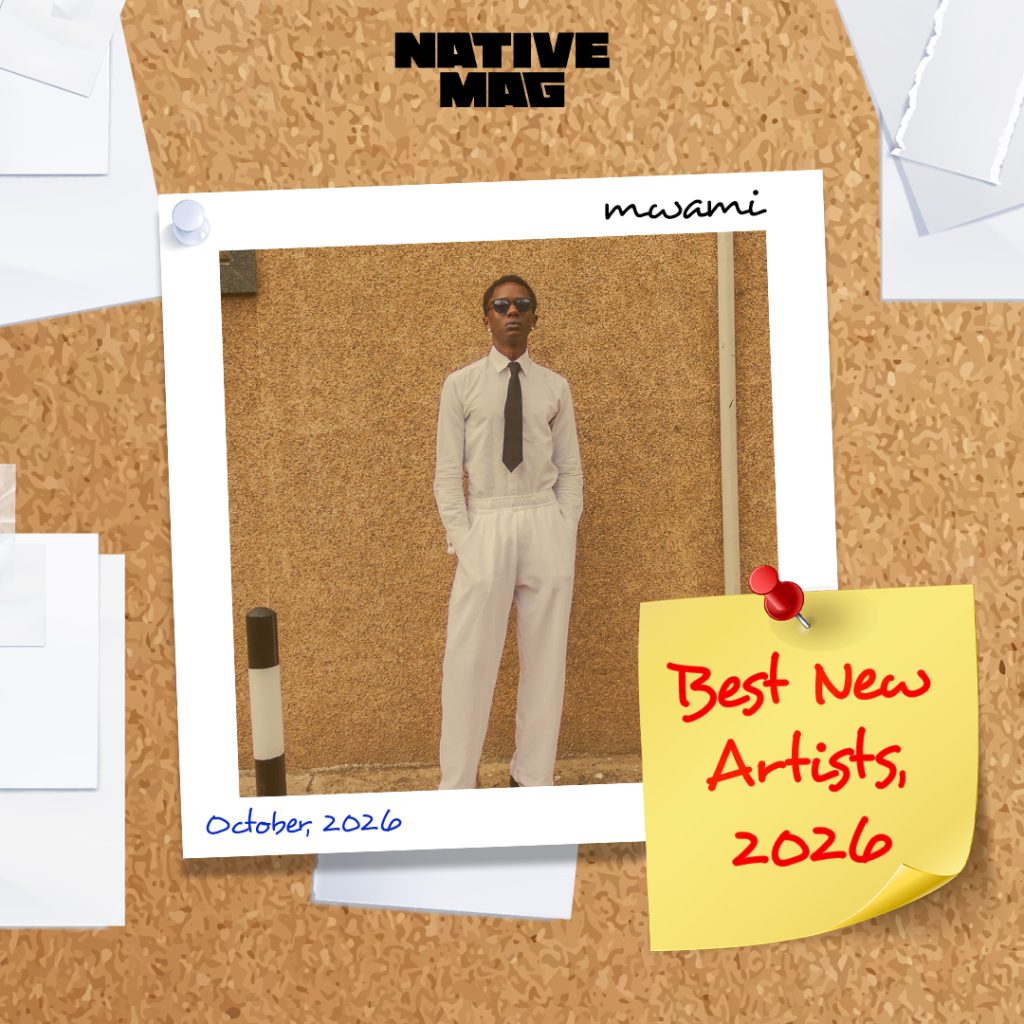
Ugandan artist mwami represents a vanguard of creators who view music as a multi-disciplinary endeavor. Working from Kampala, mwami has consistently operated ahead of prevailing trends, blending alternative rap, Afro-electro, and experimental sound design into a cohesive, albeit difficult-to-categorize, sonic identity.
mwami’s influence is grounded in a deep understanding of visual and auditory storytelling. Influenced by their upbringing in a media-centric household—with parents in broadcasting and a brother deeply entrenched in hip-hop culture—mwami’s musical vocabulary is exceptionally broad. Their work, including the 2019 EP protean and the 2024 collaboration EA OPEN with Tai Dai and Agent Mgumbe, functions as a form of world-building. Rather than adhering to the rigid structures of commercial music, mwami treats every release as an opportunity to create a universe that bridges the gap between film, visual art, and sound. This ambition has made them one of the most vital figures in East Africa’s contemporary creative surge, challenging peers and listeners alike to view the artist as a curator of culture rather than a mere content producer.
1DRAG: Eccentricity and the Art of the Hook
Lagos-based artist 1DRAG offers a stark contrast in style, focusing on the immediate impact of rhythm and the subversion of traditional flows. His moniker, 1DRAG, reflects a philosophy of instant gratification, promising the listener that his music is inherently addictive. Despite a limited discography, his impact on the Lagos scene has been disproportionate to his volume of releases.
1DRAG’s technical approach relies on what might be described as “rhythmic tension.” On tracks like “Sit Down,” produced by Yxrrboyy, he demonstrates a sophisticated ability to navigate offbeat cadences that initially seem at odds with the production, only to resolve them into a coherent, infectious groove. This unconventional rhythmic sense is the hallmark of his debut single, “Camera Roll” (2025), and has been further explored in his 2026 project, 1dragnot2. By collaborating with emerging acts like Bigg Bobbyy and pa1n, 1DRAG is actively stress-testing his eccentric style, proving that his approach is not a gimmick, but a scalable framework for future development.
Broader Implications for the African Creative Economy
The rise of artists like Moffy, Ossi Grace, mwami, and 1DRAG reflects a larger shift in the African music industry. As digital streaming platforms democratize access to global markets, the necessity for a monolithic “African sound” has diminished. Instead, we are witnessing a fragmentation into highly specialized, niche sub-genres that prioritize authenticity and local resonance over global chart viability.
Data from the past 24 months indicates that the "alternative" segment of the African music market is experiencing a compound annual growth rate that outpaces traditional Afrobeats. This is largely driven by younger audiences who are increasingly turning to platforms that foster community-led discovery rather than algorithm-led consumption. The success of these four artists suggests that the future of African music lies in this diversification—a shift toward sounds that are intensely local, deeply personal, and inherently resistant to the homogenization of the global mainstream.
As the industry continues to evolve in the face of rapid technological advancement, the role of platforms like uNder becomes increasingly critical. By providing a stage for these emerging voices, we ensure that the narrative of African music remains diverse, human-led, and perpetually experimental. These four artists, in their varied approaches and distinct sounds, confirm that the continent’s creative potential is not just growing—it is transforming into something entirely new.