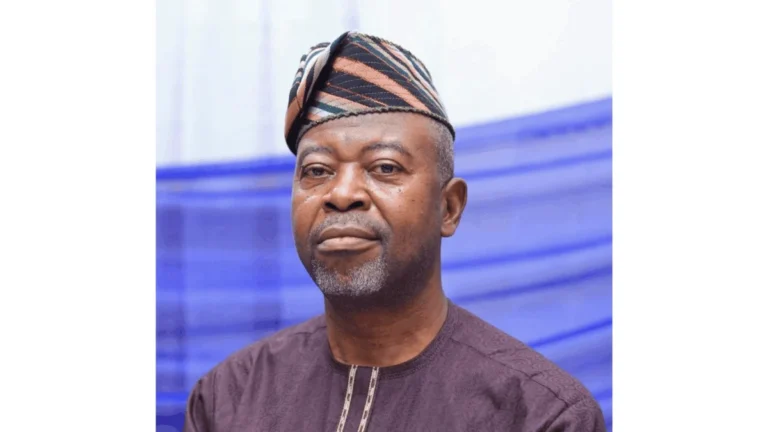
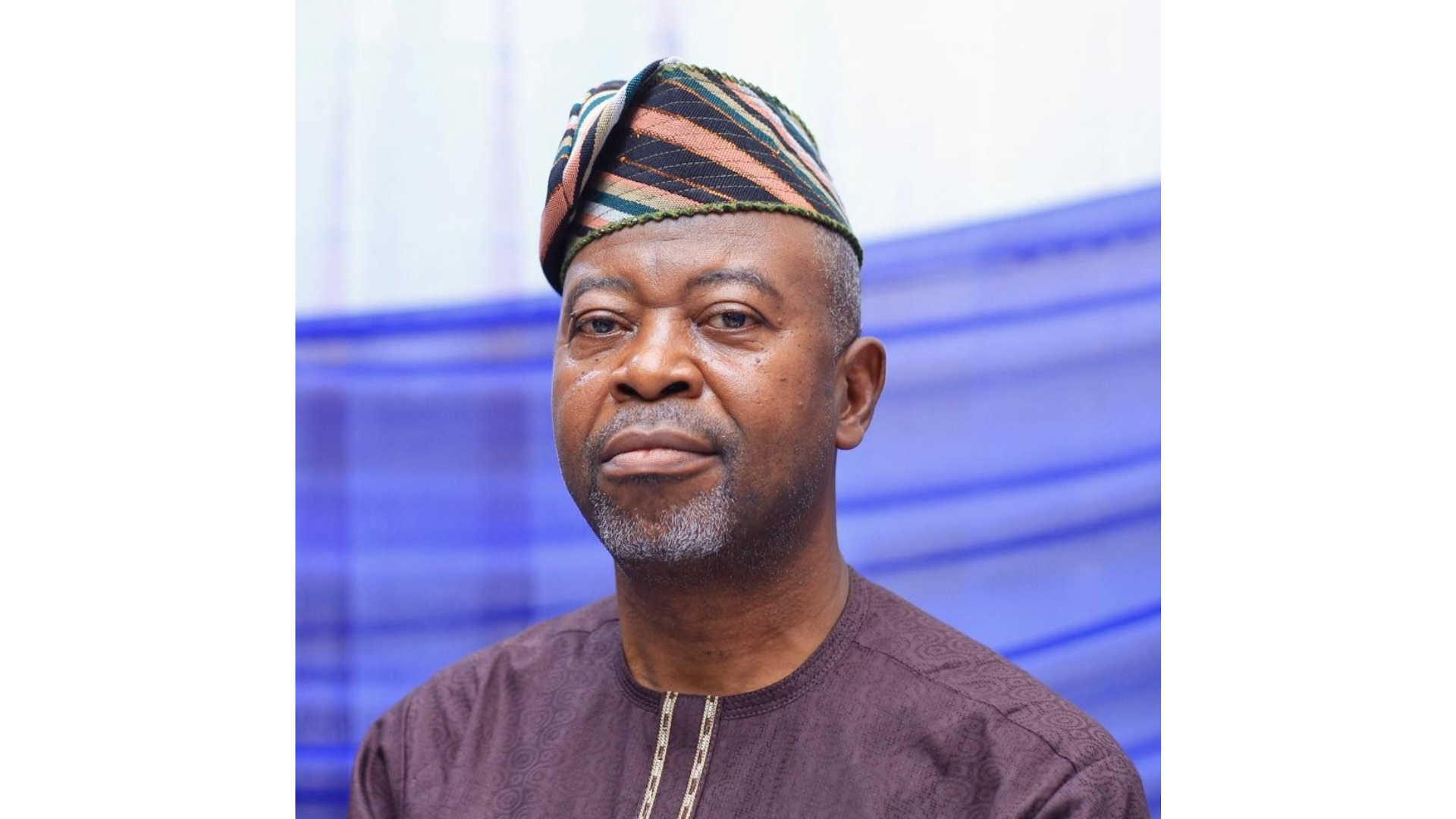
Professor Tunde Akanni, a distinguished scholar of journalism and mass communication at Lagos State University (LASU), has officially been inducted as a Fellow of the Society for Peace Studies and Practice (SPSP). The prestigious recognition was bestowed upon him during the society’s milestone 20th International Conference and General Assembly, which convened academics, researchers, and practitioners at Lead City University in Ibadan, Oyo State. Running from October 5 to October 9, 2026, the multi-day intellectual gathering served as a fitting backdrop to honor individuals who have made monumental contributions to national development, peacebuilding, and conflict-sensitive methodologies across various disciplines.
The fellowship is a formal acknowledgment of Professor Akanni’s decades-long dedication to advancing journalism, championing conflict-sensitive communication, and harnessing the principles of development communication to foster social cohesion and sustainable growth. For a professional and academic career characterized by rigorous research, active civil society engagement, and impactful classroom teaching, this induction places him among an elite cadre of thinkers and practitioners dedicated to mitigating societal tensions through strategic and ethical communication frameworks.
A Career Rooted in Academic Excellence and Professional Rigor
Professor Akanni’s journey to the pinnacle of academia is a testament to perseverance, professional dexterity, and an unwavering commitment to societal advancement. His academic trajectory is deeply rooted in rigorous scholarship, highlighted by a Doctor of Philosophy (PhD) in Media and Conflict Resolution Studies from the premier University of Ibadan. This foundational doctoral research deeply informed his subsequent academic focus, steering his intellectual curiosity toward the intersection of media systems, conflict transformation, and political communication.
His formal foray into the Nigerian university system began in 2001 when he joined the Department of Journalism at Lagos State University as an Assistant Lecturer. Over the ensuing two and a half decades, Akanni meticulously navigated the academic ladder through peer-reviewed publications, institutional leadership, and dedicated mentorship. His steady rise culminated in March 2025, when the LASU Governing Council officially approved his promotion to the rank of a full Professor of Journalism and Development Communication. Prior to this elevation, he served with distinction as an Associate Professor and assumed the role of pioneer Director of LASU’s Digital Media Research Centre, where he spearheaded initiatives exploring the evolving dynamics of online journalism and digital spaces.
Beyond his immediate departmental responsibilities, Akanni’s intellectual footprint extends across international academic borders. He has undertaken specialized academic and professional development programs at some of the world’s most renowned institutions. His global engagements include fellowships and training stints at Columbia University in the United States, the University of Leicester in the United Kingdom, and the Institute of Social Studies in The Hague, Netherlands. Furthermore, his academic prowess has been recognized through prestigious international awards, including being named a British Chevening Scholar and a recipient of the Netherlands NUFFIC Fellowship. His research interests remain broad yet focused, encompassing media ethics, strategic communication, political communication, and the profound impacts of emerging technologies—particularly artificial intelligence—on contemporary media systems.
From the Newsroom to the Lecture Halls: A Legacy of Advocacy
Before leaving an indelible mark on tertiary education, Akanni honed his craft in the trenches of the Nigerian print media industry. During the height of military rule and the turbulent transition years of the 1990s, he worked with some of the country’s most respected publications, including The Punch and the National Concord. Through sheer hard work and journalistic integrity, he rose through the editorial ranks to become the Acting Features Editor at the National Concord.
The socio-political upheavals of the era profoundly shaped his worldview. Following the proscription of Concord titles by the military regime in 1994, Akanni transitioned into the civil society sector, taking on the mantle of Head of Campaigns at the Civil Liberties Organisation (CLO). In this capacity, he was intimately involved in advocacy for human rights, democratic governance, and freedom of expression. This rich blend of active newsroom journalism and civil rights activism provided him with a unique vantage point—one that seamlessly bridges theoretical media constructs with real-world socio-political challenges. This background heavily informs his advocacy for conflict-sensitive journalism, a framework that urges reporters to look beyond sensationalism and understand the structural roots of crises to avoid exacerbating societal divides.
Official Commendations and Institutional Recognition
The conferment of the SPSP fellowship drew widespread applause from both academic circles and the public sector. Among the foremost institutions to celebrate the milestone is the Federal Competition and Consumer Protection Commission (FCCPC), where Professor Akanni is currently on a sabbatical, lending his expertise to public administration and institutional communication.
In an official congratulatory letter dated October 7, 2026, the FCCPC lauded the recognition as both timely and richly deserved. The correspondence was signed by Yisau Adepoju, Head of the Administration Department, acting on behalf of the commission’s Executive Vice Chairman and Chief Executive Officer, Olatunji Bello. The leadership of the FCCPC noted that the fellowship serves as an undeniable testament to Akanni’s relentless scholarly output and his unwavering dedication to championing ethical, conflict-sensitive reporting.
"This auspicious milestone is a clear testimony to your laudable scholarly contributions to the field of journalism," the commission stated in the letter. "As a thoroughbred professional and accomplished academic, you have consistently demonstrated passion and unwavering commitment to the promotion of Conflict-Sensitive Journalism. You have tenaciously identified with this strand of Development Communication that is renowned for fostering sustainable social change and advancing the overall quality of life, particularly in developing nations."
The FCCPC further expressed absolute confidence that Professor Akanni would continue to bring pride to the commission, Lagos State University, and the broader global academic community through his future endeavors, research outputs, and public service contributions.
The Broader Implications of Conflict-Sensitive Journalism in Nigeria
Professor Akanni’s recognition arrives at a critical juncture in Nigeria’s socio-political evolution. As the country grapples with multi-faceted security challenges, ethno-religious tensions, economic pressures, and political polarization, the role of the media in shaping public perception cannot be overstated. Traditional journalism models that thrive on sensationalism often risk deepening societal fractures. In contrast, conflict-sensitive journalism—a core pillar of Akanni’s academic philosophy—offers a curative approach, training media practitioners to report not just on the violence or symptoms of a crisis, but on its underlying causes, while actively exploring peace pathways.
Experts argue that honoring scholars and practitioners who champion this approach elevates its importance within mainstream academic curricula and newsroom practices. By bridging the gap between rigorous peace and conflict studies and everyday media reportage, fellows of the SPSP like Professor Akanni provide the intellectual ammunition necessary to reform how information is curated, consumed, and disseminated in fragile democracies.
As the academic community reflects on the outcomes of the 20th International Conference and General Assembly of the SPSP at Lead City University, the induction of figures like Professor Tunde Akanni signals a growing institutional alignment between peacebuilding frameworks and communication scholarship. With his continued mentorship of younger generations of journalists at LASU and his policy-adjacent contributions at the FCCPC, Professor Akanni remains a vital voice in shaping a more informed, peaceful, and development-oriented Nigerian society.