The landscape of global health is facing a severe crossroads as the non-profit organizations responsible for pioneering treatments against poverty-related diseases confront unprecedented financial shrinkage. At the World Health Summit in Berlin, representatives from key international funding bodies delivered stark warnings to product development partnerships (PDPs)—the specialized entities tasked with researching medicines for neglected tropical diseases (NTDs), tuberculosis, and malaria. Despite having delivered medical milestones that saved millions of lives over the past quarter-century, these partnerships were told that structural financial guarantees no longer exist in an era dominated by shifting geopolitical priorities and defense spending.
The erosion of the global health financing architecture comes at a dangerous juncture. As donor nations pivot budgets toward national security and military preparedness in response to escalating global tensions, the fragile pipeline of life-saving therapeutics for the world’s most vulnerable populations risks stalling. Industry experts, global health leaders, and scientists warn that dismantling or starving these public-private research models could undo decades of progress against some of humanity’s most persistent parasitic and infectious scourges.
The Historical Imperative and the Birth of Product Development Partnerships
To understand the gravity of the current funding crisis, one must look back to the medical landscape of the late 1990s. At the time, clinicians treating sleeping sickness—a parasitic infection transmitted by tsetse flies that is virtually 100% fatal without intervention—relied on draconian measures. The frontline drug, melarsoprol, was an arsenic-based compound with horrific toxicity profiles, killing approximately one in twenty patients who received it. Survivors of the treatment routinely described the intravenous administration as feeling like liquid fire coursing through their veins, frequently leaving their extremities permanently discolored.
Although safer alternatives existed, mainstream pharmaceutical manufacturers had abandoned production by 1995 because the therapies generated zero commercial profit. Market incentives dictated that pharmaceutical research and development (R&D) follow purchasing power rather than public health need. Between 1975 and 1999, out of 1,393 newly marketed medicines, a paltry 16 were directed toward tropical diseases and tuberculosis.
To bridge this fatal market failure, the global health community pioneered product development partnerships around the turn of the millennium. These non-profit coalitions married the scientific and manufacturing prowess of big pharma with the public-interest mandates of governments and philanthropic foundations. The model proved remarkably successful. In June, a single-dose oral treatment called acoziborole was registered in the Democratic Republic of the Congo, having been developed collaboratively by Sanofi and the Drugs for Neglected Diseases initiative (DNDi). This breakthrough replaced decades of agonizing, toxic injections with a simple, highly effective cure.
Similar partnerships, such as the Medicines for Malaria Venture (MMV), the TB Alliance, and the Innovative Vector Control Consortium (IVCC), have delivered dozens of life-saving interventions. According to a landmark analysis published in The Lancet Global Health, antimalarial drugs backed by MMV alone averted an estimated 1.6 million deaths between 2000 and 2023, delivering an estimated $13 in societal health benefits for every dollar invested.
Shifting Geopolitics and the Shrinking Funding Runway
Despite their proven track record, PDPs now find themselves starved of resources. Global health funding experienced an alarming 12% contraction in 2025, tumbling to its lowest aggregate level since 2012, according to preliminary estimates from the Institute for Health Metrics and Evaluation (IHME). Donor governments are actively redirecting capital toward national defense, leaving international aid budgets severely depleted.
Even prior to this macro-level defense pivot, funding dedicated to neglected disease R&D had suffered a five-year consecutive decline, hitting a historic low in 2023 as tracked by Impact Global Health’s G-FINDER project. Philanthropic heavyweights have similarly tightened their purse strings; the Bill & Melinda Gates Foundation—long the bedrock of PDP financing—slashed its grants to these partnerships by nearly a quarter in 2024. Operational entities like DNDi responded by cutting their internal research spending by 23% in 2025.
Government backing is similarly evaporating. The United Kingdom, historically the largest bilateral state funder for neglected disease research, is scaling back its overseas development assistance to 0.3% of gross national income by 2027. Germany, another vital European contributor, has slated substantial cuts to its global health allocations for its upcoming fiscal budgets. While European nations like the Netherlands, Switzerland, and Sweden, alongside Japan and the European Union, continue to contribute, the aggregate pool is manifestly insufficient to meet mounting clinical demands.
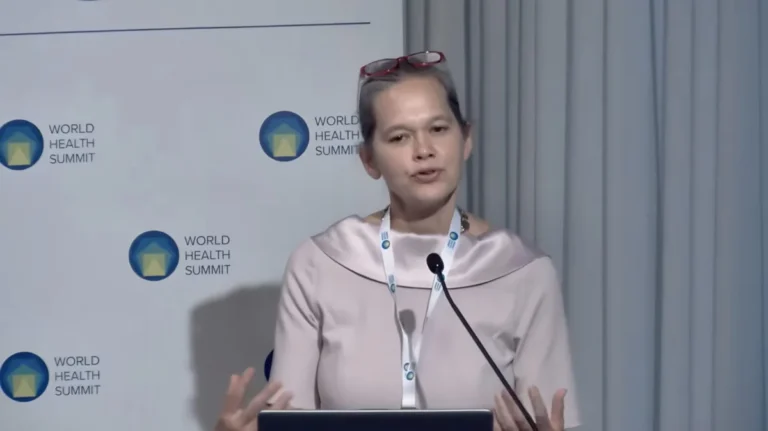
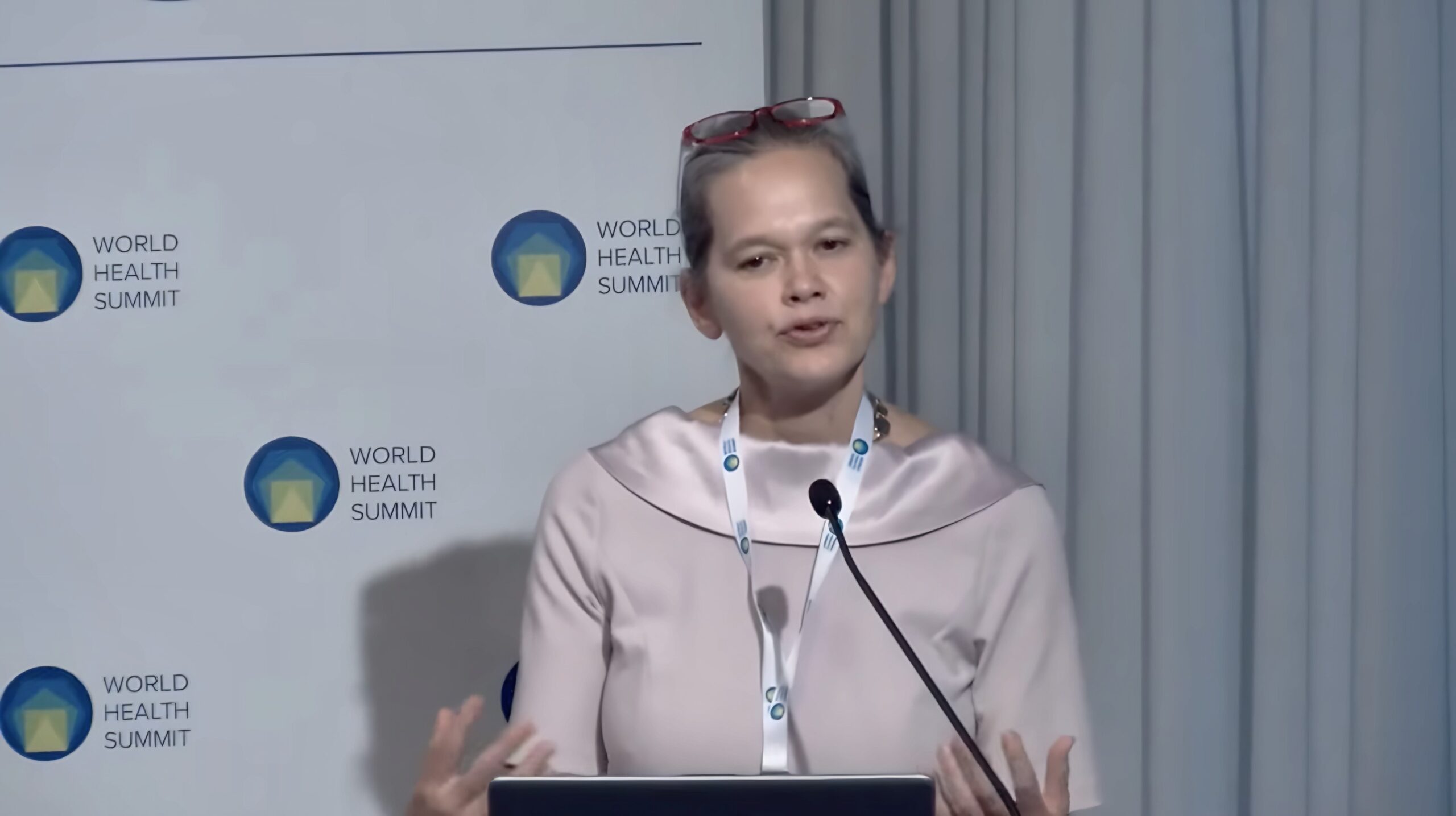
Speaking at the Berlin summit, Veronika von Messling, director-general for health and life sciences at Germany’s Federal Ministry of Research, Technology and Space (BMFTR), addressed the bleak financial reality with blunt pragmatism. She stated that the implicit historical promise—that competent PDPs operating within established frameworks could rely on sustained, guaranteed financing—can no longer be honored.
Proposing an austere future, von Messling suggested that funders might allow remaining capital to be distributed through unshielded competition. "To be provocative here, there is maybe some charm in actually tolerating the tension that comes from a natural selection process or natural evolution," she remarked, noting that some partnerships would inevitably survive while others perished. Dirk Mueller, a senior health adviser at the UK’s Foreign, Commonwealth and Development Office (FCDO), echoed this sentiment, asserting that absolute funding scarcity would inevitably trigger a process of institutional natural selection.
The Clinical Pipeline at a Dangerous Precipice
The financial retrenchment arrives at the worst possible moment, as the partnerships’ portfolios transition into their most capital-intensive phases. A coalition of twelve leading PDPs reported nearly 300 products actively moving through the development pipeline, with upwards of 100 products having advanced into Phase 2 clinical trials or beyond.
The consequences of stalling this pipeline are stark, particularly in the ongoing battle against malaria. In 2024, an estimated 282 million clinical malaria cases were recorded globally by the World Health Organization (WHO). Despite the rollout of pioneering vaccines and innovative drug formulations, global malaria cases have surged by 23% and deaths by 6% since 2015.
Compounding this crisis is the rapid, alarming spread of biological resistance. Malaria parasites across parts of Africa are developing partial resistance to artemisinin, the cornerstone of modern combination therapies (ACTs). In Rwanda, researchers have documented that 40% to 50% of circulating parasites already carry artemisinin-resistance mutations. Historical precedent underscores the peril: when the malaria parasite outgrew chloroquine in the 1990s, global mortality rates more than doubled before artemisinin-based interventions brought the disease back under control. Scientists at the Wellcome Sanger Institute warn that if resistance overcomes current front-line therapies across Africa—a continent bearing 94% of the global malaria burden—the public health fallout will be catastrophic.
Although promising alternatives exist, such as GanLum—a novel antimalarial developed by Novartis and MMV that demonstrated a 97.4% cure rate in extensive Phase 3 trials—bringing them to regulatory approval and mass deployment requires sustained financial investment. Similarly, insecticide resistance among mosquito vectors threatens the efficacy of bed nets, which accounted for 68% of all malaria cases averted in Africa between 2000 and 2015. Justin McBeath, chief executive of the IVCC, emphasized that while global health administrative architectures may shift, mosquito biology and parasite mutation rates operate independently of human political whims.
Seeking Sustainability and Rejecting Structural Dismantling
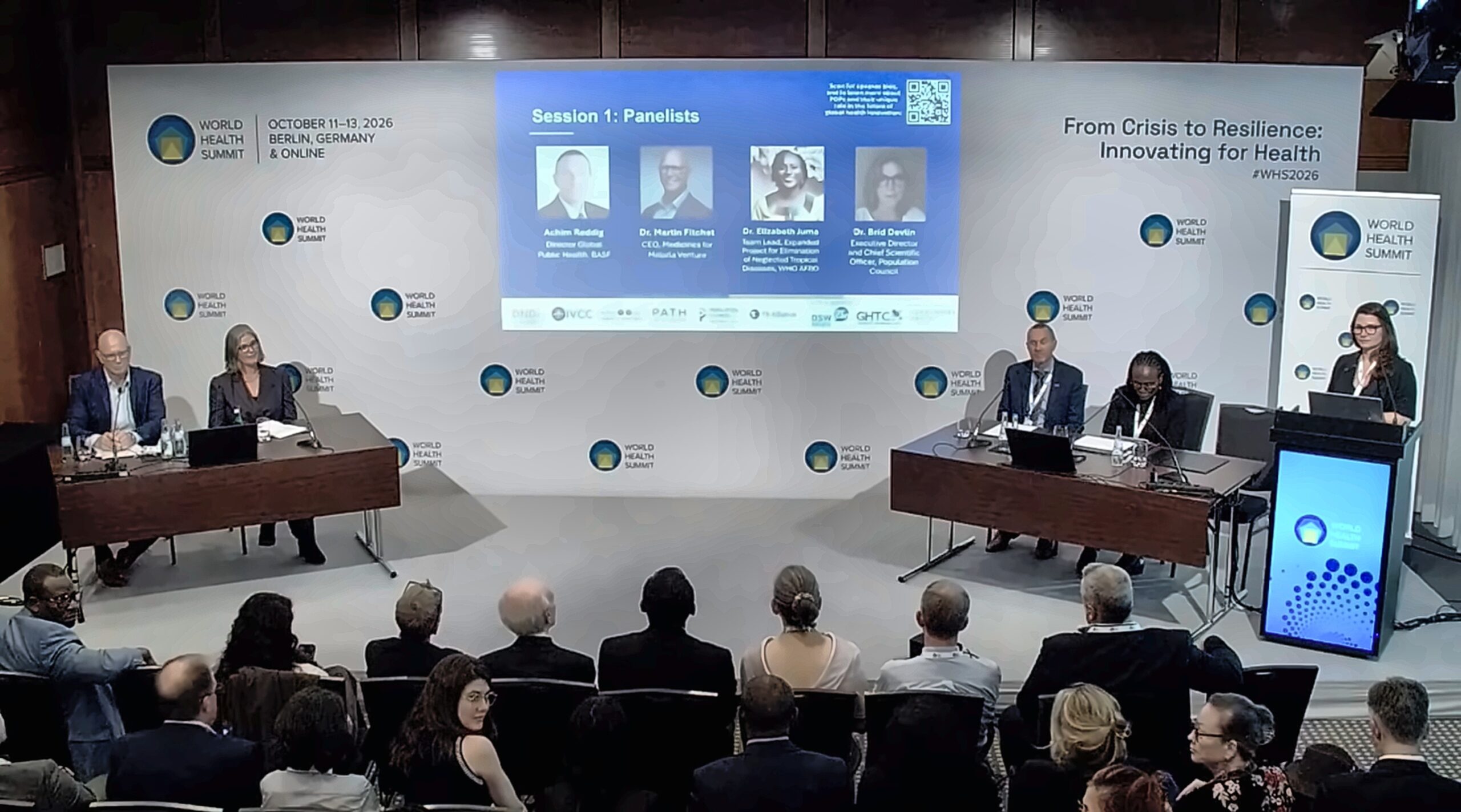
Faced with existential threats, PDP leaders are strongly pushing back against the rhetoric of natural selection and forced dissolution. Dr. Melvin Spigelman, President and CEO of the TB Alliance, criticized the heavy reliance on a narrow donor base, noting that for the past two decades, nearly half of all PDP funding has originated from a single philanthropic source. "Realistically, there are just a handful of meaningful funders," Spigelman remarked in Berlin. "That’s crazy."
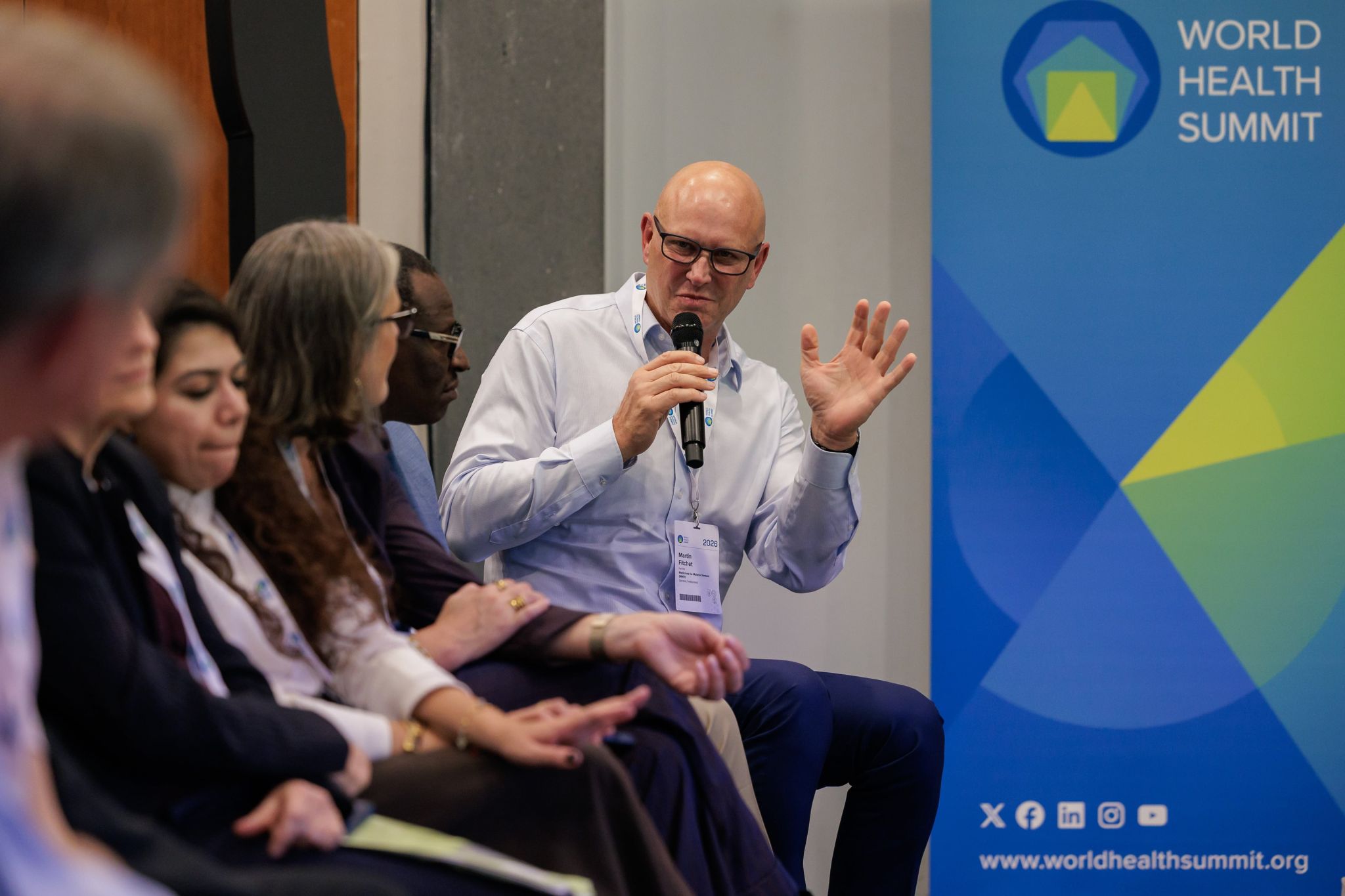
To diversify revenue streams, experts have proposed expanding funding contributions to emerging economies, middle-income nations, and BRICS members. However, Martin Fitchet, CEO of Medicines for Malaria Venture, cautioned against transferring the structural burden of global health R&D onto nations already grappling with severe domestic health and fiscal constraints.
Discussions at the summit also touched on the potential for institutional consolidation to trim administrative overhead. While some policymakers questioned the efficiency of maintaining roughly eighteen distinct PDPs, sector leaders cautioned against over-simplification. Bríd Devlin of the Population Council noted that while consolidation successfully streamlined operations when her organization absorbed the International Partnership for Microbicides, merger models cannot be universally applied across disparate fields ranging from diagnostics to vector control and therapeutics. Furthermore, Dirk Mueller of the FCDO questioned whether merging multiple entities into a single "mega-PDP" would genuinely reduce costs or merely create bureaucratic bloat.
Ultimately, public health advocates argue that the product development partnership model remains the single most effective vehicle for addressing diseases that offer zero commercial return to private pharmaceutical shareholders. As Elizabeth Juma of the WHO Regional Office for Africa reminded delegates, any structural overhaul or prioritization exercise must not lose sight of the foundational truth: there are entire categories of life-threatening diseases for which the market will never provide an economic incentive. Safeguarding the PDP pipeline is not merely a matter of institutional preservation, but an imperative of global equity and health security.