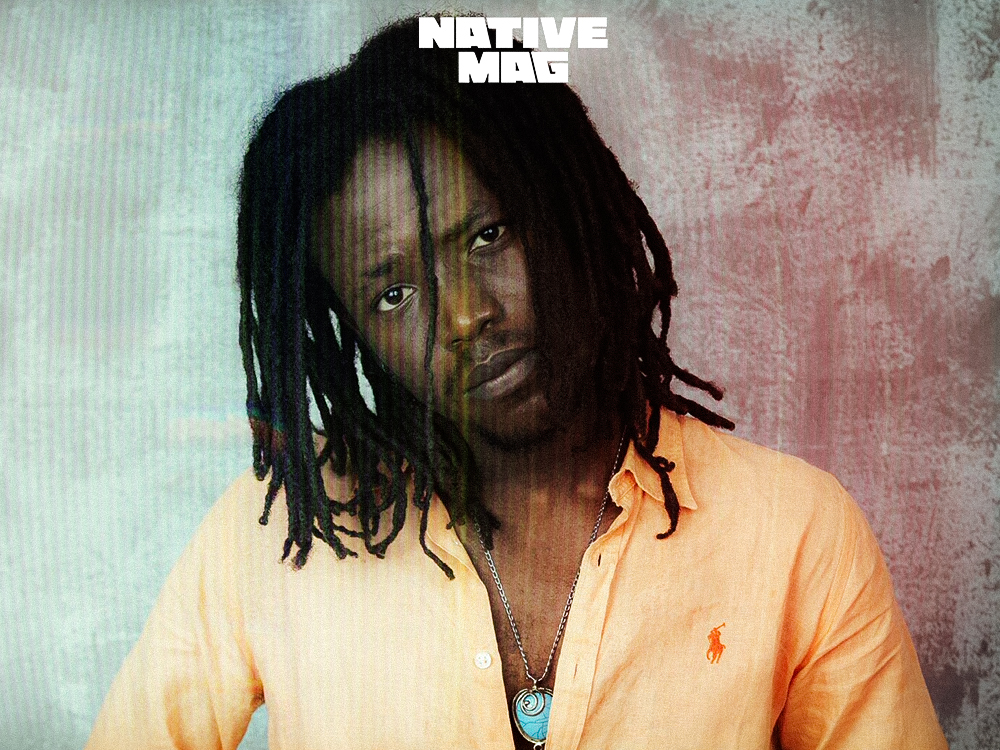
Nigerian singer and songwriter Caleboniel officially released his latest musical project, a three-track EP titled Sign of the Times, on October 28, 2026. The release marks a pivotal moment in the artist’s discography, serving as a sonic meditation on the pressures of contemporary adulthood, the fragility of interpersonal relationships, and the necessity of personal transformation in the face of inevitable change. The project, which features the tracks "Human," "Move," and "No Stains," arrives at a time when the Nigerian music industry is increasingly shifting toward introspective storytelling, moving beyond the traditional Afrobeats party-centric sound to embrace vulnerability and thematic depth.
Chronology of the Project’s Development
The gestation of Sign of the Times can be traced back to the broader creative output Caleboniel has cultivated over the past two years. Following a period of strategic silence and intermittent single releases that garnered modest but dedicated attention, the artist began conceptualizing the current project in early 2026. The development process was marked by a shift in production philosophy, characterized by a more minimalist, focused approach to arrangement.
By mid-2026, the artist had entered the studio with producer 9roovy and engineer Ganiyu to solidify the sonic direction of the EP. The recording sessions were intended to capture a raw, unvarnished perspective on the "uncertain periods" that defined the artist’s personal life during that window. The final mastering and mixing phases were completed in early October, ensuring a late-month release that allowed for a calculated rollout designed to capture the attention of the burgeoning alternative R&B and soul audience in Nigeria.
Thematic Breakdown of the EP
Sign of the Times is structured as a narrative arc that moves from the burden of expectation to the liberation of acceptance.
Human: Navigating Expectations and Ambition
The opening track, "Human," functions as a poignant critique of the societal pressures placed upon young Nigerians. In a country where the demographic is overwhelmingly youthful and the economic landscape remains volatile, the struggle to reconcile family expectations with individual aspirations is a recurring theme. Caleboniel uses this track to articulate the frustration of the "grind"—the act of working tirelessly toward a future that often feels elusive. By incorporating themes of repeated loss and personal burnout, the song serves as an anthem for those struggling to maintain mental equilibrium while chasing success.
Move: The Mechanics of Letting Go
The second track, "Move," pivots toward the emotional sphere. With production support from 9roovy and atmospheric vocal textures from suurshi, the song delves into the psychological residue left behind by failed relationships. It is a study in the difficulty of transition; the lyrics grapple with the inertia that keeps individuals anchored to the past, even when the logic of their present situation dictates that they must move forward. This track resonates with the common human experience of grieving a version of one’s life that no longer exists.
No Stains: Acceptance and Creative Direction
The EP concludes with "No Stains," which offers a shift in perspective. Rather than viewing setbacks as failures, the song posits that unexpected changes—even those that initially appear as "stains" on a personal or career trajectory—can serve as catalysts for creative redirection. It is an exercise in stoicism, encouraging the listener to find beauty in the unconventional and to embrace the fluidity of life’s path.
Supporting Context: The Nigerian Musical Landscape in 2026
The release of Sign of the Times occurs within a rapidly maturing ecosystem. According to industry reports from 2025 and 2026, the Nigerian music market has experienced a significant shift in consumer behavior. While mainstream Afrobeats remains the primary export, there is an expanding sub-sector of listeners who gravitate toward "Alté" and R&B-infused projects that prioritize lyricism over high-tempo danceability.
Data from major streaming platforms indicates that projects focusing on mental health, existential dread, and personal growth have seen a 15% increase in engagement among listeners aged 18 to 35 in Lagos and Abuja. Caleboniel’s decision to release a short, cohesive three-track EP aligns with current industry trends that favor "snackable," high-quality content over bloated LPs. This strategy allows the artist to maintain a consistent presence without overwhelming the listener, ensuring that the thematic message remains the focal point of the consumption experience.
Technical Production and Collaborative Effort
The quality of Sign of the Times is largely attributed to the collaborative synergy between the artist and his core production team. 9roovy, who handled the production for the majority of the project, has been noted for his ability to craft soundscapes that are sparse yet emotionally heavy—a hallmark of contemporary Nigerian soul music. The decision to enlist Ganiyu for mixing and mastering ensured a sonic consistency across the three tracks, providing a professional polish that elevates the project’s lo-fi sensibilities into a radio-ready format.
The involvement of suurshi on the track "Move" adds a necessary layer of vocal texture that complements Caleboniel’s lead performance. By layering these voices, the production team creates a sense of depth that mirrors the complexity of the emotional themes being explored.
Broader Implications for the Artist’s Career
For Caleboniel, Sign of the Times represents more than just a musical offering; it is a brand statement. By tackling heavy themes like the "pressures of adulthood" and the "difficulty of letting go," the artist is positioning himself within a specific niche of thinkers and storytellers. This branding is essential in an era where artists are expected to be multi-dimensional entities.
If the project succeeds in finding its target audience, it could solidify Caleboniel’s status as a key voice in the "New Nigerian Soul" movement. The implications for his future are significant: a successful reception of this EP will likely grant him more creative freedom for upcoming projects and potentially lead to collaborations with high-profile producers and artists who operate within the same introspective space.
Critical Analysis of the "Sign of the Times" Concept
The title Sign of the Times is inherently temporal. It suggests that the struggles described in the EP are not merely individual, but symptomatic of the era in which the listener lives. In 2026, the global and local pressures of inflation, digital exhaustion, and social media comparison have made the act of "making peace" with one’s reality a radical one.
By framing his personal journey through this lens, Caleboniel elevates his lyrics from simple diaristic entries to a cultural commentary. The "uncertain periods" he references are shared experiences among his peer group. His ability to distill these anxieties into digestible musical pieces allows the audience to feel heard, providing a sense of community through shared vulnerability.
Conclusion and Future Outlook
Sign of the Times is a concise, well-executed project that highlights Caleboniel’s evolution as a songwriter and performer. It serves as a testament to the fact that the most effective music often comes from a place of radical honesty. As the industry continues to evolve, artists who can successfully bridge the gap between their own personal narratives and the collective consciousness of their audience will continue to lead the conversation.
For those interested in exploring the project, it is currently available across major streaming platforms. The EP serves as a compelling introduction for new listeners and a satisfying progression for those who have followed the artist’s work from its inception. Whether or not this project signals a permanent shift toward this more introspective style remains to be seen, but for now, Sign of the Times stands as a definitive marker of an artist finding his voice in an increasingly loud world.