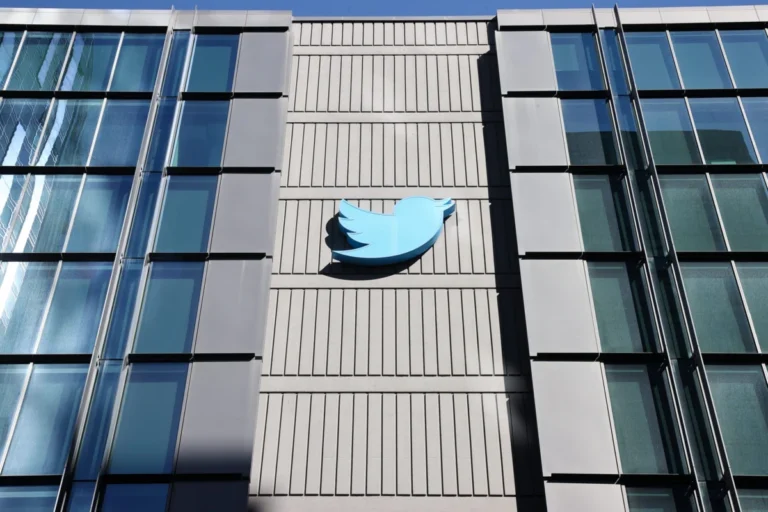
The landscape of global technology underwent a profound shift in April 2021 when Twitter, under the leadership of co-founder and then-CEO Jack Dorsey, made a historic announcement. The company declared that it would establish its first-ever African headquarters in Accra, Ghana. Hailed as a watershed moment for the continent’s burgeoning tech ecosystem, the move was celebrated as a genuine commitment to amplifying underrepresented voices and tapping into a rich vein of localized talent. Just over a year later, however, this ambitious initiative collapsed in a manner that left industry observers questioning whether Big Tech’s engagement with Africa was built on substance or merely served as a public relations gesture.
The Promise of Accra: A New Frontier for Tech
When Jack Dorsey took to his personal timeline on April 12, 2021, to proclaim, “Twitter is now present on the continent. Thank you Ghana and @NAkufoAddo,” he validated years of advocacy from African tech professionals who argued that platforms shaping global public discourse needed localized perspectives. Ghana was strategically selected over rival tech hubs like Lagos, Nigeria, due to its robust democratic traditions, fierce protection of free speech, and alignment with the open-internet ethos championed by Twitter.
President Nana Addo Dankwa Akufo-Addo enthusiastically welcomed the development, framing it as the beginning of a transformative partnership designed to elevate Ghana’s technological capabilities. For months, the venture flourished. Locally sourced talent was hired remotely to manage regional partnerships, trust and safety, and public policy. These employees brought invaluable contextual understanding to content moderation and platform safety, addressing longstanding criticisms that Western tech giants operated in an administrative vacuum regarding the Global South. The culmination of this initial phase occurred on November 1, 2022, when senior leadership proudly inaugurated the physical office space in Accra, bringing remote workers together for the first time.
The Turbulence of Corporate Leadership: From Dorsey to Agrawal
The foundation of Twitter’s African expansion, however, was inextricably linked to a rapidly shifting corporate hierarchy at the company’s San Francisco headquarters. Just seven months after championing the African pivot, Jack Dorsey announced his resignation as CEO on November 29, 2021, following internal pressures regarding his dual-CEO role at Block (formerly Square). Dorsey handed the reins to Parag Agrawal, then-Chief Technology Officer, whom Dorsey praised for his deep understanding of the platform’s engineering and institutional needs.
Agrawal stepped into the role during a turbulent financial period, facing mounting pressure to increase revenue and user growth. In May 2022, Agrawal executed significant structural changes, dismissing top executives including consumer product leader Kayvon Beykpour and general manager of revenue Bruce Falck, while simultaneously freezing company-wide hiring. Despite these aggressive restructuring efforts, Agrawal’s tenure was soon overshadowed by an external force that would fundamentally alter the trajectory of the social media giant.
The $44 Billion Acquisition and the Battle Over Bots
On April 14, 2022, regulatory filings revealed that Tesla and SpaceX CEO Elon Musk had offered to acquire Twitter outright for $44 billion, proposing to take the publicly traded company private. What followed was a protracted, drama-filled saga characterized by volatile negotiations, public disputes over automated bot accounts, and intense behind-the-scenes friction.
Agrawal maintained a firm stance against Musk’s public criticisms of the platform, cautioning him via text message that disparaging remarks were severely damaging internal employee morale and operational productivity. Musk, dismissing these concerns, ultimately attempted to terminate the acquisition agreement in July 2022, citing a lack of transparency regarding fake accounts. This triggered a high-stakes legal battle in the Delaware Court of Chancery. Facing an impending trial, Musk reversed his position and formally proceeded with the acquisition, officially taking control of Twitter on October 27, 2022.
Mass Layoffs and the Dismantling of the African Workforce
The consequences of Musk’s acquisition were immediate and severe. Within days of assuming control, Musk instituted a sweeping cost-cutting mandate, arguing that the company was hemorrhaging $4 million daily. On November 4, 2022, approximately 50% of Twitter’s global workforce—roughly 3,750 employees—were abruptly laid off.
The execution of these layoffs drew widespread international condemnation for its lack of procedural grace. Employees discovered their terminations via late-night emails with the subject line "Your Role at Twitter," shortly after being locked out of corporate Slack channels and internal email systems. While Musk publicly stated that all departing staff members were offered three months of severance pay—surpassing statutory requirements—the reality for the newly established African team proved starkly different.
A Disproportionate Exit: The Treatment of Twitter Africa
Reports soon emerged that employees at the Accra headquarters—having just celebrated the grand opening of their physical office days prior—were excluded from the severance packages promised to their Western counterparts. Furthermore, the communication regarding their dismissal deviated sharply from standard corporate protocols. Rather than receiving personalized notices, African staff members reportedly received generic, automated termination emails originating from a People Services director based in Dublin, Ireland, with their final day set for December 4, 2022.
Prominent tech industry figures and former Twitter executives voiced immediate outrage over the disparate treatment. Alphonzo Terrell, former Global Head of Social & Editorial, publicly challenged Dorsey on social media, writing: “No severance for Ghanaian Tweeps? If this is true, this is TRASH. @jack you were a champion for @TwitterGhana and still have a significant interest in the company, MAKE THIS RIGHT.” Former Global VP of Partners & Marketing Lara Cohen similarly questioned whether Dorsey condoned the abrupt dismantling of an initiative he had personally championed.
Broader Implications for Global Tech Investment in Africa
The sudden closure and contentious offboarding of Twitter’s African division carry significant implications for foreign direct investment in the continent’s tech sector. For years, African technology ecosystems have fought for recognition as viable, high-value markets capable of housing regional headquarters for multinational corporations.
The manner in which Twitter’s African operations were dissolved risks reinforcing a damaging perception: that multinational tech firms view investments in the Global South primarily as performative public relations exercises rather than long-term strategic commitments. While economic realities and restructuring pressures are standard drivers in corporate acquisitions, the apparent administrative oversight and lack of equitable severance for the Accra team have highlighted persistent inequalities in how multinational corporations manage talent across geographic divides. As the tech industry watches Twitter—now rebranded as X—navigate its ongoing transformation under Musk, the legacy of its brief venture into Ghana remains a cautionary tale about the fragility of corporate promises in emerging markets.