The Sequence of Events: A Timeline of Unrest
The volatility in the Odoro Ikot Clan began on November 2, 2026. According to official reports provided by the Akwa Ibom State Police Command, the catalyst for the tragedy was an internal disagreement concerning the distribution of family funds. The central figures in this initial altercation were identified as 42-year-old Ifiok Akpan and his kinsman, the late Ukeme Jonah.
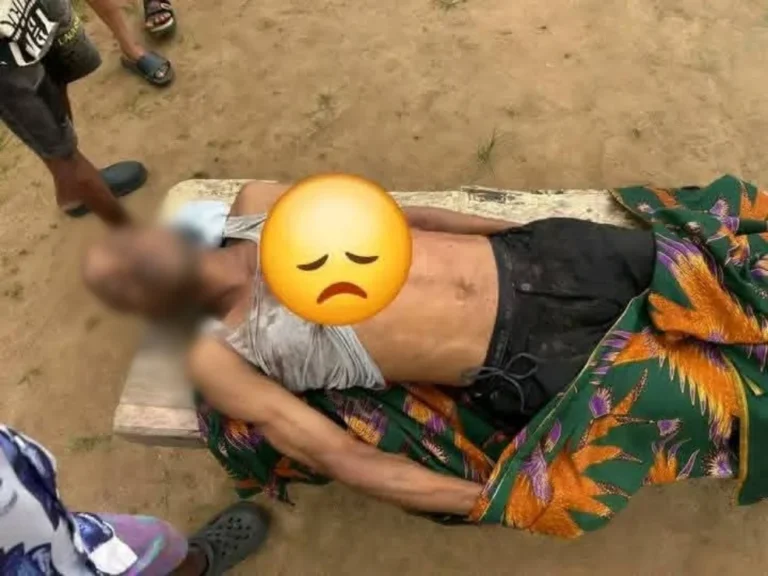
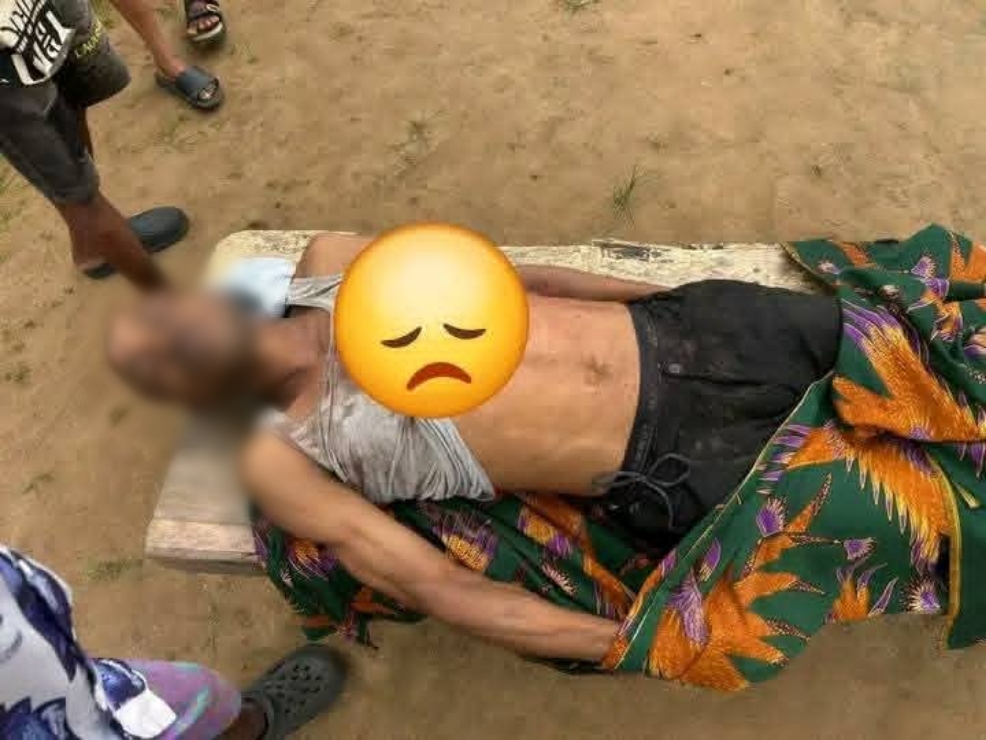
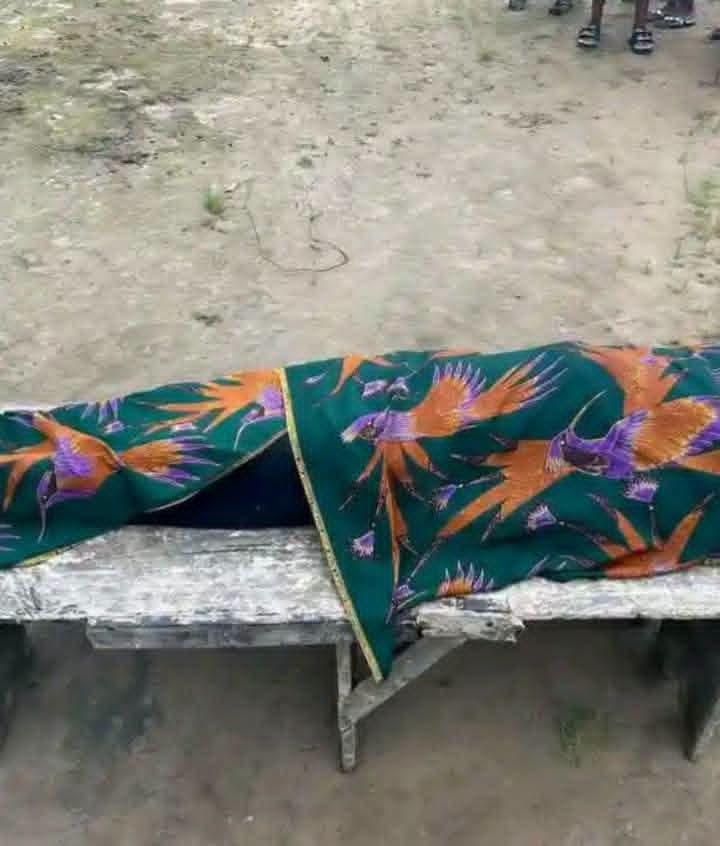
The confrontation escalated significantly when, in a fit of rage, Ifiok Akpan allegedly produced a broken bottle. Witnesses and police reports indicate that the suspect utilized the weapon to inflict a deep, life-threatening abdominal wound upon the victim. Despite immediate efforts by bystanders and family members to rush the victim to a nearby medical facility, the severity of the internal injuries proved fatal. Ukeme Jonah was pronounced dead shortly after his arrival at the hospital.
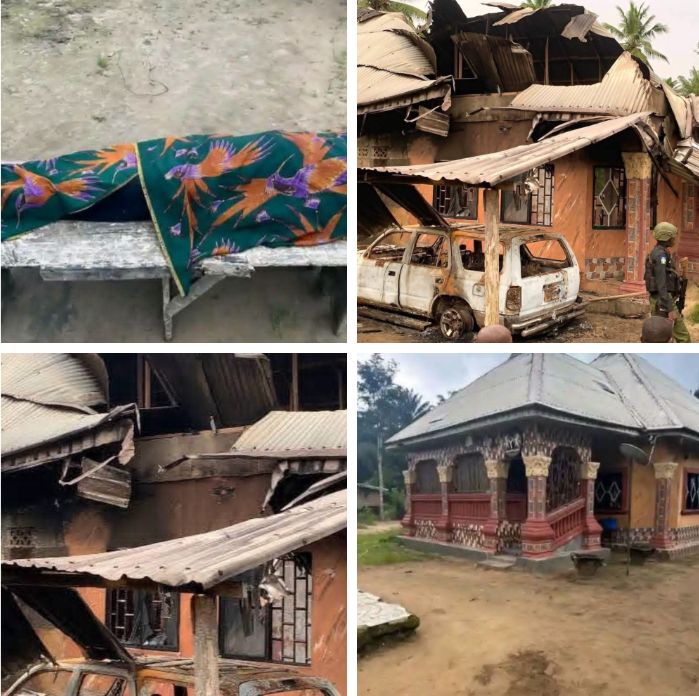
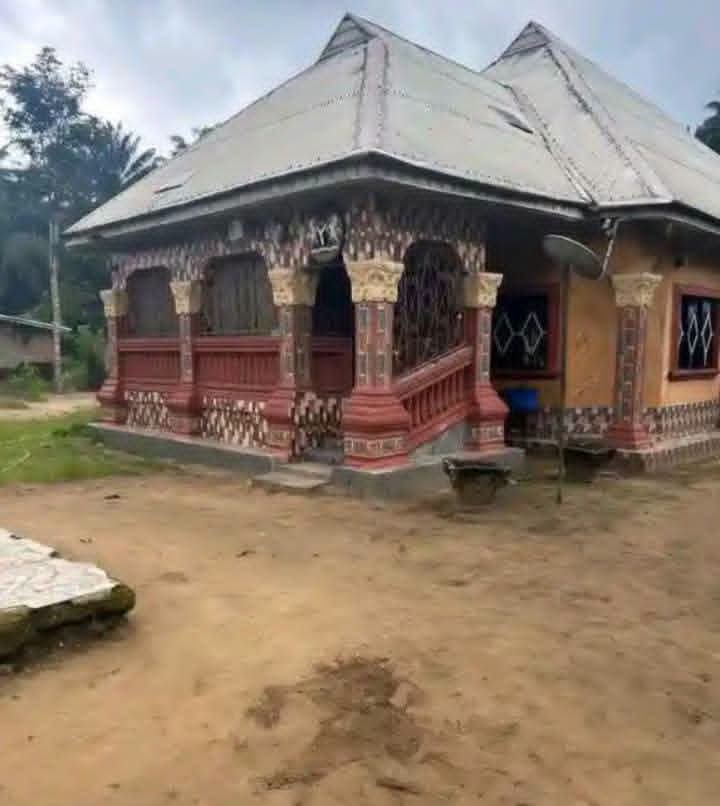
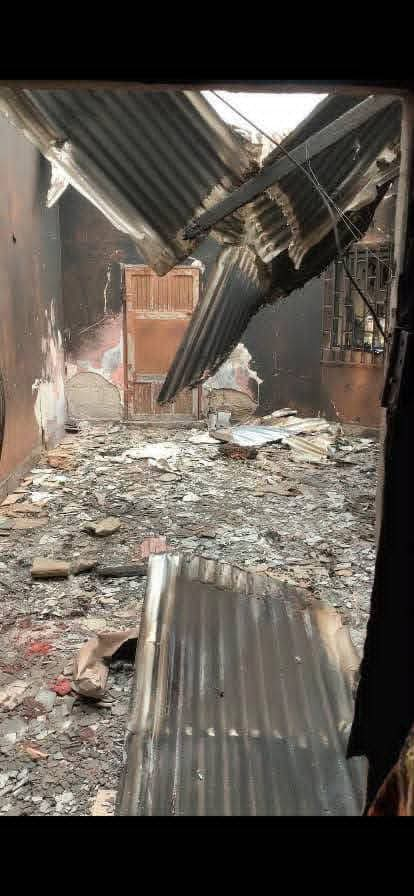
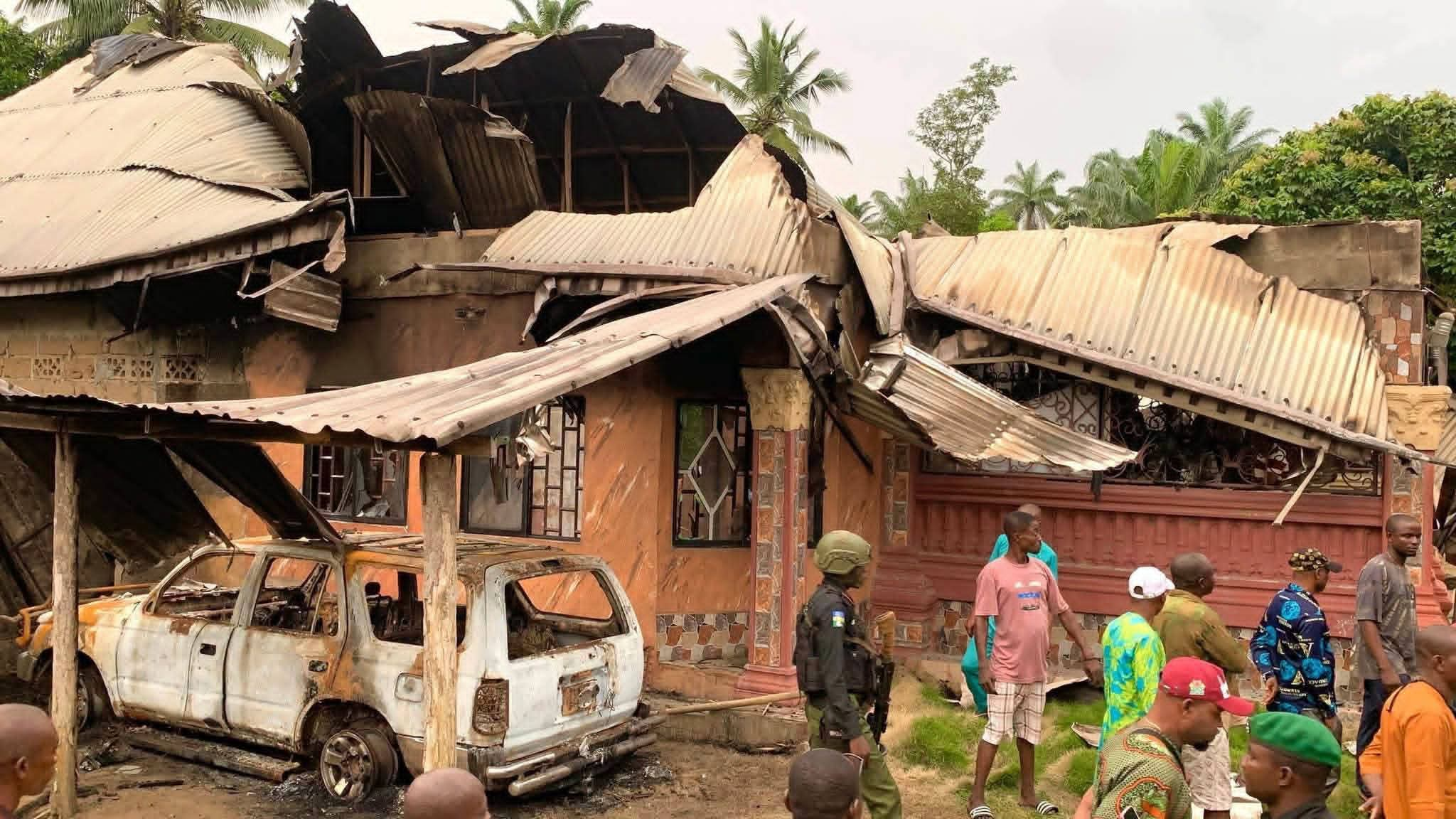
The situation took a turn toward lawlessness in the early hours of November 3, 2026. Following the news of the victim’s death, a group of residents, fueled by grief and a desire for "jungle justice," marched to the residence of the village head. In an act of retaliatory violence, the group set the residence ablaze and destroyed a Toyota 4Runner vehicle parked on the premises. Local authorities were alerted to the chaos by a concerned citizen in the early hours of that same morning, prompting an emergency deployment of police personnel to the community to prevent further loss of life and property.
Police Intervention and Arrests
The Akwa Ibom State Police Command, led by Commissioner of Police Baba Mohammed Azare, responded with a swift tactical operation. By the afternoon of November 3, law enforcement officers had successfully apprehended the primary murder suspect, Ifiok Akpan, at a hideout in the surrounding area.
Building on this progress, a second, larger operation was launched at 11:45 a.m. to address the arson incident. Operatives identified and arrested six additional suspects believed to be directly involved in the destruction of the village head’s property. The individuals taken into custody are:
- Godwin Sunday, 42
- Francis Dominic, 28
- Julius Archibong, 52
- Kingsley Ukeme, 23
- Paulinus Bede, 28
- Udeme Tommy, 40
All six suspects are residents of Ukana Mbak Ukot Village. They remain in police custody as investigations continue, while the remains of the deceased, Ukeme Jonah, have been transferred to a mortuary pending a formal autopsy.
Contextualizing Community Violence in Rural Districts
The incident in Essien Udim serves as a stark illustration of the challenges facing rural security in Nigeria, where domestic disputes—particularly those involving inheritance, land rights, or family funds—frequently escalate into communal crises. The transition from a private disagreement to a public act of arson underscores a persistent breakdown in community dispute-resolution mechanisms.

In many parts of Akwa Ibom State, traditional village institutions are expected to act as the primary mediators for civil disputes. When these institutions are perceived as ineffective, biased, or part of the grievance, communities often witness a rapid descent into mob action. The burning of a village head’s residence is not merely an act of property destruction; it is a symbolic rejection of local authority. Sociologists often point to such events as indicators of a "justice vacuum," where citizens believe that the formal legal system is either too slow or too inaccessible, leading them to enforce their own form of immediate, often violent, retribution.
Official Stance and the Rule of Law
DSP Timfon John, the spokesperson for the Akwa Ibom State Police Command, emphasized in a formal statement that the force maintains a zero-tolerance policy regarding vigilante violence. The Command has issued a stern warning to the public, stressing that no amount of perceived injustice justifies the resort to criminal acts, such as arson or extrajudicial killings.
"The Commissioner of Police, CP Baba Mohammed Azare, has directed that a thorough and discreet investigation be conducted to establish the full circumstances surrounding the incident," the statement read. "The Command strongly condemns all acts of violence, jungle justice, and the destruction of property. It remains our priority to protect lives and property, and we will not hesitate to take decisive action against anyone found engaging in criminal activities."
The police have also called upon community leaders and stakeholders in the Odoro Ikot Clan to engage in sensitization efforts to discourage residents from taking the law into their own hands. The Command maintains that the legal process, while potentially protracted, is the only viable path to genuine justice.

Socio-Economic Implications of the Incident
The destruction of the village head’s home and his vehicle carries significant socio-economic weight. In many rural Nigerian communities, the village head’s residence often functions as a community hub for social gatherings, administrative planning, and security coordination. Its destruction leaves the community temporarily bereft of its traditional administrative center, which can complicate local governance and the coordination of aid or development initiatives in the short term.
Furthermore, the economic loss—while currently under evaluation—represents a setback for the village’s infrastructure. The incident also serves as a warning to the local government regarding the necessity of strengthening traditional dispute resolution boards. If family disputes over funds are left to fester without mediation, the risk of lethal violence remains high.
Looking Ahead: The Legal Process
As the legal proceedings move forward, the focus will shift to the interrogation of the seven suspects. The primary murder suspect, Ifiok Akpan, faces potential charges of homicide, while the remaining six suspects will likely face charges related to arson, conspiracy, and public disturbance. The police have signaled that the investigation will be comprehensive, aiming to identify whether the arson was a spontaneous act or a premeditated reaction orchestrated by community members.
The state’s judicial system will now be tasked with ensuring that the trial serves as a deterrent against similar outbursts. In a region where communal tensions can be easily stoked, the outcome of this case is expected to be closely watched by observers of local governance and security. For now, the Akwa Ibom State Police Command maintains a heightened presence in the Essien Udim area to ensure that order is preserved and that no further retaliatory actions take place while the legal process runs its course.
The residents of Ukana Mbak Ukot are encouraged to cooperate with the police by providing relevant information that could assist in uncovering the root causes of the original dispute and the subsequent violence. The tragedy, which resulted in the loss of one life and the destruction of significant property, stands as a sobering reminder of the lethal consequences of unmitigated conflict and the vital importance of the rule of law in maintaining public peace.