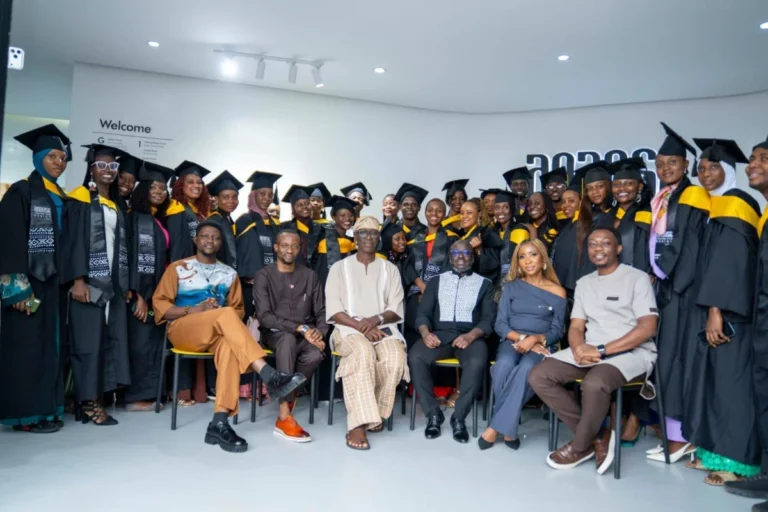
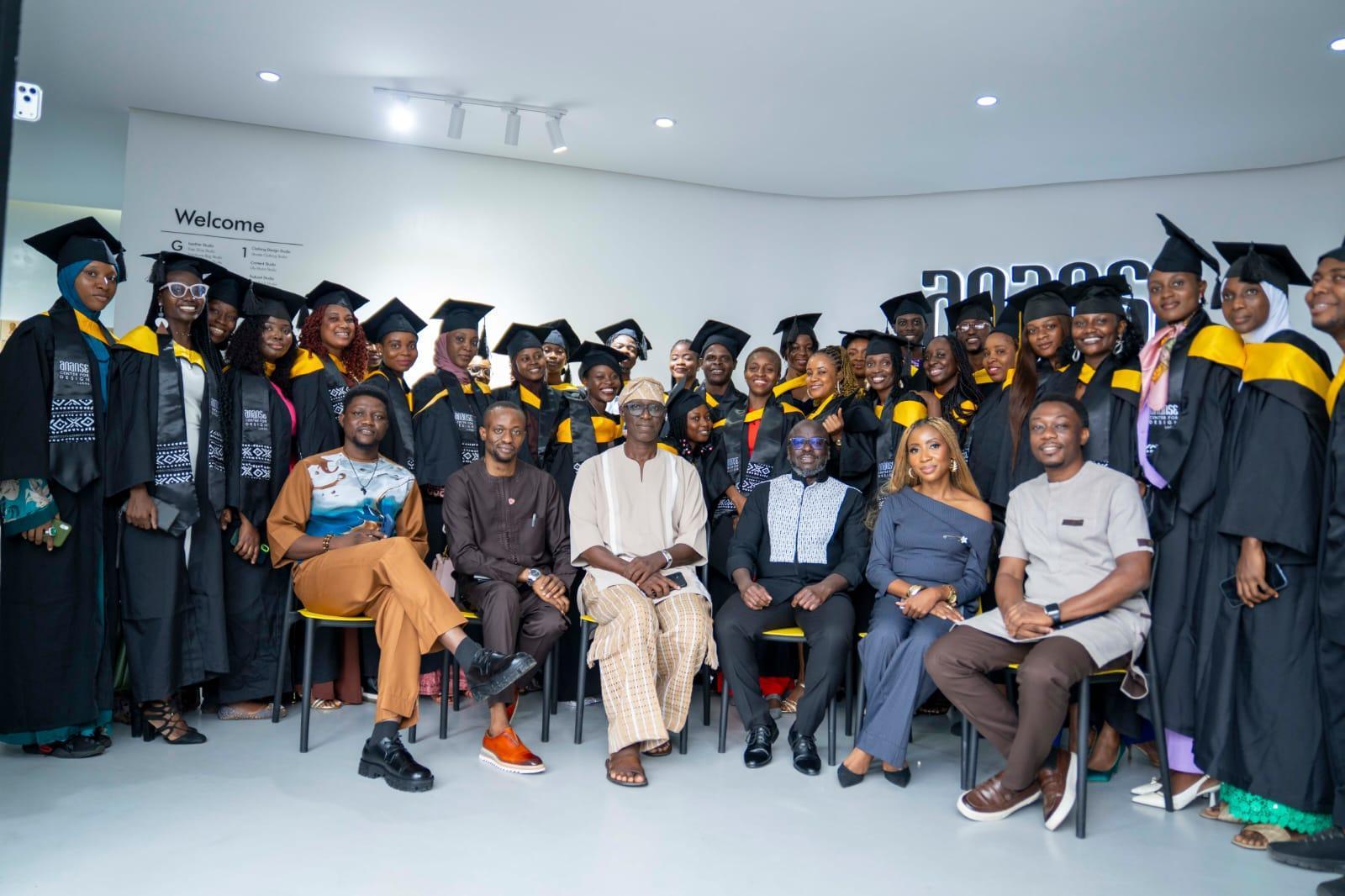
The Ananse Centre for Design in Lagos, Nigeria, has reached a significant milestone with the graduation of over 30 aspiring fashion entrepreneurs from its inaugural Fashion Incubator Scholarship Programme. This momentous occasion underscores Ananse’s commitment to fostering the next generation of globally competitive fashion businesses across Africa. The program, designed to equip individuals with comprehensive skills for launching and scaling their ventures, celebrated participants who entered with minimal prior industry experience, demonstrating the transformative power of targeted education and support.
The graduation ceremony, held at the Ananse Centre for Design Lagos in Ikate, Lekki, was a testament to the dedication and hard work of the graduates. Over an intensive period, these entrepreneurs underwent a rigorous curriculum encompassing a wide spectrum of fashion industry essentials. The training modules were meticulously crafted to provide hands-on experience and theoretical knowledge in crucial areas such as fashion design, advanced leatherwork techniques, efficient garment production, stringent quality assurance protocols, sustainable fashion practices, innovative product development, robust entrepreneurship strategies, effective branding, the intricacies of e-commerce, and vital market access. This holistic approach ensures graduates are not only creatively adept but also commercially astute, prepared to navigate the complexities of the modern fashion landscape.
The culmination of the program was marked by a vibrant runway showcase, where the graduates presented original collections they had designed and meticulously produced. This exhibition served as a powerful demonstration of their acquired creativity, refined craftsmanship, and nascent entrepreneurial acumen. Each garment told a story of growth, learning, and the potent fusion of artistic vision with practical business application, highlighting the profound impact of Ananse’s incubation initiative.
Bridging the Talent-Opportunity Gap
Sam Mensah, Founder and CEO of Ananse Africa, articulated the core philosophy behind the Ananse Centre for Design during his address at the graduation ceremony. He emphasized that Africa possesses an abundance of raw talent, but historically, access to world-class training, essential infrastructure, and meaningful commercial opportunities has been a significant impediment. "The Ananse Centre for Design was created to bridge that gap," Mensah stated, "giving aspiring entrepreneurs not only technical skills, but also the business knowledge, production capabilities, and market access they need to build sustainable fashion brands." His vision is rooted in the belief that by providing these critical resources, Ananse can empower African designers to compete on a global scale and build enduring businesses that contribute to the continent’s economic development.
The significance of this initiative is amplified by the current trajectory of the African fashion industry. According to a report by Statista, the African apparel and footwear market is projected to reach $27.1 billion by 2027, indicating substantial growth potential. However, a significant portion of this potential remains untapped due to a lack of formalized training, access to capital, and established supply chains. Ananse’s incubator program directly addresses these challenges, providing a structured pathway for talent to flourish and commercialize.
A Stepping Stone to Continued Growth
Onome Umukoro, Hub Country Lead for Africa at Ananse, reinforced the long-term perspective of the program. "Today’s graduation isn’t the finish line – it’s the beginning," she remarked. "We’re incredibly proud of what this cohort has achieved, but our role doesn’t stop here. Through Ananse’s wider ecosystem, graduates will continue to have opportunities to produce, create content, access new markets, and grow their businesses." This statement highlights Ananse’s commitment to ongoing support, ensuring that the learning and development process extends far beyond the initial incubation period.
The Ananse ecosystem offers a suite of resources designed for sustained growth. Graduates gain continued access to state-of-the-art production facilities, enabling them to scale their operations efficiently. Furthermore, they can leverage content creation services to enhance their brand visibility and marketing efforts. Crucially, Ananse facilitates access to new markets, both domestically and internationally, and provides ongoing business support, fostering a continuous cycle of learning and expansion. This integrated approach is vital for nurturing emerging businesses in a competitive global market.
Strategic Partnerships Fueling African Fashion
The success of the Fashion Incubator Scholarship Programme is bolstered by strategic collaborations with leading organizations dedicated to youth empowerment and economic development. Key partners include the Mastercard Foundation, the ISHK Tolaram Foundation, and TVET. These partnerships are instrumental in providing the financial backing and operational expertise necessary to deliver a comprehensive and accessible incubation program.
The Mastercard Foundation, for instance, has a long-standing commitment to empowering young people in Africa, particularly through education and skills development. Their support for the Ananse program aligns with their broader mission of creating pathways to dignified work for millions of young Africans. Similarly, the ISHK Tolaram Foundation’s focus on education and enterprise development, and TVET’s emphasis on technical and vocational education and training, further strengthen the program’s capacity to deliver high-impact outcomes. These collaborations represent a significant investment in the future of Africa’s creative economy, pooling resources and expertise to create a more robust and supportive ecosystem for fashion entrepreneurs.
Impact and Implications for Africa’s Creative Economy
The graduation of this inaugural cohort has far-reaching implications for the African fashion industry. By nurturing homegrown talent and providing them with the tools to build successful businesses, Ananse is contributing to job creation, economic diversification, and the promotion of African cultural identity on a global stage. The graduates are not just designers; they are future employers, innovators, and cultural ambassadors.
The program’s emphasis on sustainability is particularly noteworthy. As global consumers increasingly demand ethically produced and environmentally conscious fashion, Ananse’s commitment to embedding sustainability principles into its curriculum positions its graduates at the forefront of this evolving market trend. This focus is critical for ensuring the long-term viability and ethical standing of African fashion businesses.
Ananse’s operational reach across six African countries signifies its ambition to create a pan-African network for fashion innovation and entrepreneurship. By investing in infrastructure, education, and commercial platforms, Ananse is actively working to elevate African fashion onto the global stage, fostering sustainable livelihoods for designers, artisans, and creative entrepreneurs across the continent. The success of this incubator program is a promising indicator of a brighter future for African fashion, one that is innovative, sustainable, and globally recognized. The graduates represent the vanguard of this movement, poised to shape the future of fashion with their unique perspectives and honed skills. Their journey, supported by Ananse and its partners, is a testament to the immense potential residing within Africa’s creative sector.
A Deeper Dive into the Curriculum and its Impact
The comprehensive nature of the Ananse Fashion Incubator Scholarship Programme is crucial for understanding its impact. The curriculum is not merely a theoretical overview; it is designed for practical application. For instance, the module on leatherwork goes beyond basic stitching, delving into sourcing sustainable materials, advanced tanning techniques, and the creation of high-value leather goods. Similarly, garment production training emphasizes efficient pattern making, cutting, and sewing techniques, alongside understanding different fabric properties and their suitability for various garment types.
Quality assurance is addressed through rigorous inspection processes and understanding international standards, ensuring that products meet the expectations of a discerning global market. Sustainability is woven throughout, covering everything from eco-friendly material choices and waste reduction in production to ethical labor practices and circular economy principles. Product development focuses on market research, identifying consumer needs, and translating creative ideas into commercially viable products.
Entrepreneurship modules equip graduates with essential business acumen, including financial management, strategic planning, legal considerations, and risk assessment. Branding is explored through visual identity development, storytelling, and creating a compelling brand narrative that resonates with target audiences. The digital realm is addressed through e-commerce training, covering online store setup, digital marketing, social media engagement, and customer relationship management. Finally, market access components involve understanding distribution channels, export strategies, and building relationships with retailers and buyers.
The success of these modules is evidenced by the graduates’ ability to present professional collections. This implies that they have mastered not only the creative aspects but also the technical and business elements required to bring a product from concept to market. The runway showcase, therefore, is not just a display of fashion, but a tangible demonstration of their acquired competencies and readiness for the industry.
The Ananse Ecosystem: Sustaining Momentum
The concept of the "Ananse ecosystem" is a critical differentiator for this program. Many incubation programs provide initial training, but Ananse’s commitment to ongoing support through its broader network sets it apart. This ecosystem can be visualized as a supportive community and infrastructure that continues to nurture its members.
Production Facilities: Access to these facilities allows graduates to scale their production without the prohibitive cost of investing in their own machinery and space. This is particularly important for small businesses that are still in their nascent stages of growth. It enables them to fulfill larger orders and maintain consistent quality as demand increases.
Content Creation Services: In today’s digital age, a strong online presence is paramount. Ananse’s content creation services, which could include professional photography, videography, and social media management assistance, empower graduates to build compelling brand narratives and engage effectively with their audience. This is vital for e-commerce success and building brand loyalty.
Business Support: This broad category can encompass mentorship from experienced industry professionals, access to legal and financial advisory services, and ongoing training workshops on emerging industry trends and business strategies. Such support helps graduates navigate challenges and make informed decisions.
Digital Commerce and Market Access: Facilitating entry into online marketplaces and connecting graduates with potential buyers, distributors, and retailers is a direct pathway to revenue generation. This could involve partnerships with e-commerce platforms, participation in trade fairs, or curated online sales events.
The strategic importance of this sustained support cannot be overstated. It addresses the common pitfalls that emerging businesses face, such as a lack of capital for scaling, difficulty in reaching target markets, and insufficient business management expertise. By providing these resources, Ananse significantly increases the probability of its graduates building successful and enduring fashion enterprises.
Broader Economic and Cultural Impact
The Ananse Centre for Design’s initiative extends beyond individual business success; it has the potential to significantly impact the broader African economy and cultural landscape.
Job Creation: As these fashion businesses grow, they will inevitably create employment opportunities, not only for designers and production staff but also for individuals in marketing, sales, logistics, and administration. This ripple effect contributes to overall economic development and reduces unemployment rates among young people.
Economic Diversification: The fashion industry is a significant contributor to GDP in many countries. By strengthening this sector, Ananse helps African nations diversify their economies, reducing reliance on primary commodities and fostering a more robust and resilient economic base.
Cultural Preservation and Promotion: African fashion is rich with unique aesthetics, traditions, and narratives. Ananse’s program encourages graduates to draw inspiration from their heritage while infusing it with contemporary global trends. This process helps to preserve traditional craftsmanship and cultural motifs, while also presenting them in a modern, globally appealing context. This enhances Africa’s cultural soft power on the international stage.
Building a Global Brand for African Fashion: For too long, African fashion has been perceived as niche or derivative. Ananse’s ambition to position African fashion on the global stage involves not only showcasing talent but also establishing a reputation for quality, innovation, and unique design sensibilities. The success of its graduates will be a critical factor in achieving this goal, building trust and recognition for African brands worldwide.
The inaugural graduation of the Fashion Incubator Scholarship Programme at the Ananse Centre for Design Lagos marks a pivotal moment. It signifies a tangible step towards realizing Africa’s vast potential in the global fashion industry, driven by dedicated entrepreneurs and supported by strategic partnerships and a comprehensive ecosystem. The journey for these 30+ graduates has just begun, and their future contributions are eagerly anticipated.