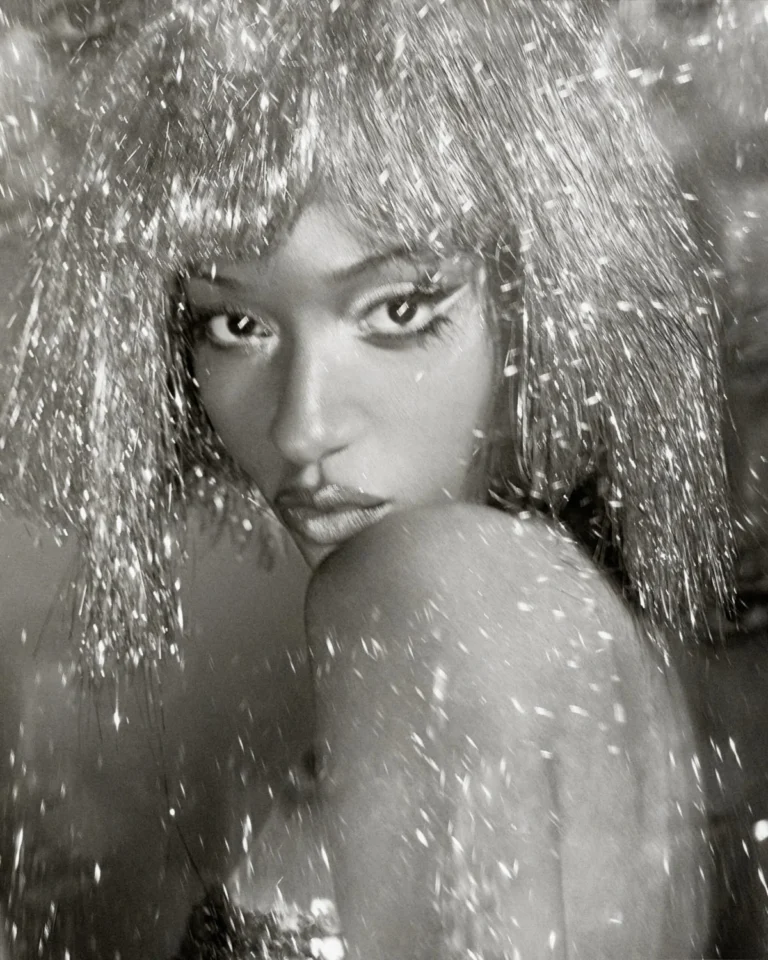
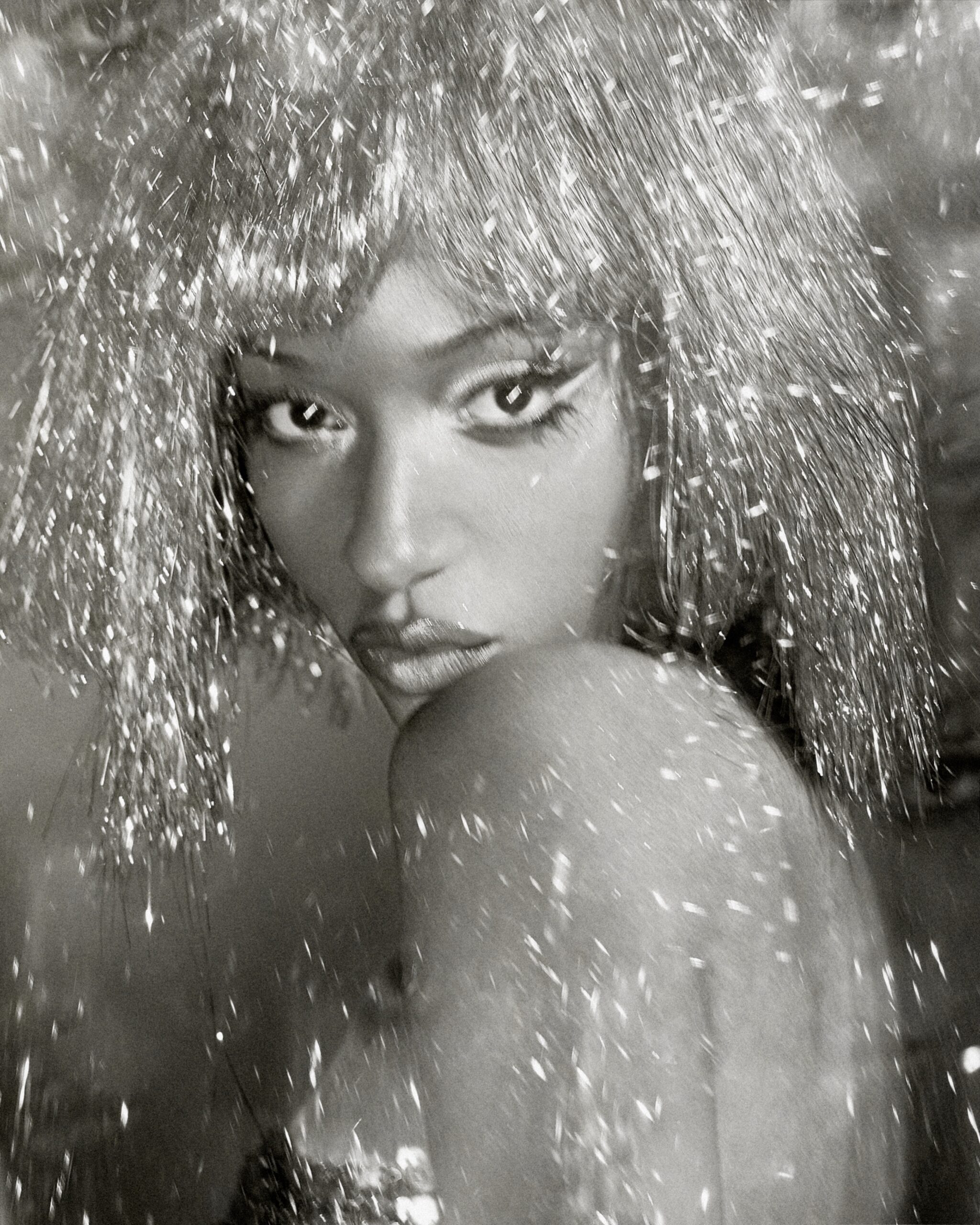
The global trajectory of modern Afrobats has long been defined by rapid expansion, relentless touring cycles, and an unyielding demand for fresh commercial output. Yet, for 24-year-old Nigerian singer-songwriter Ayra Starr, the pathway to her latest artistic milestone required a deliberate deceleration. In a comprehensive cover story for 66 GREENE magazine, photographed by Fernando Tomaz and styled by Jahulie, the Grammy-nominated artist opens up about a transformative period of her life. Characterized by major geographic transitions, high-profile global collaborations, and a profound inward shift, this chapter culminated in the release of her acclaimed studio album, Starrgirl.
From establishing her first independent residence in New York City following a rigorous three-month film production stint in Cape Town to sharing stadium stages with British rock icons Coldplay, Starr’s recent experiences have fundamentally reshaped her perspective on artistry, performance, and personal identity. Through an intimate lens, the feature explores how solitude and creative autonomy became the bedrock of her most authentic musical statement to date.
Navigating Solitude: The Transition to Independent Living in New York City
For an artist raised within the warmth and constant companionship of a close-knit Nigerian family, the leap into total independence marked a major psychological and lifestyle evolution. Following an intensive three-month acting commitment in Cape Town—where she participated in the highly anticipated screen adaptation of Tomi Adeyemi’s bestselling fantasy novel Children of Blood and Bone—Starr relocated to New York City to establish her first solo apartment.
The initial adjustment to living entirely on her own terms brought a mixture of youthful exhilaration and formidable domestic challenges. Transitioning from a bustling household to the quiet introspection of a New York apartment exposed her to the stark realities of urban solitude, further compounded by the biting chill of a demanding winter and a longing for home-cooked meals. However, these obstacles gradually gave way to a comforting domestic routine. Simple rituals, such as befriending the local barista and exploring the city’s nocturnal landscape, anchored her in an unfamiliar environment.
Beyond the logistical adjustments, this period of isolation served as a critical catalyst for self-discovery. In the feature, Starr reflects on how removing external noise allowed her to deconstruct ingrained societal expectations. Solitude provided the necessary mental space to evaluate her own desires, artistic boundaries, and personal values, ultimately laying the groundwork for a more grounded public persona.
Redefining Live Performance on the Music of the Spheres Tour
Among the most formative professional experiences of Starr’s recent career has been her tenure as a supporting act for Coldplay on select legs of their monumental Music of the Spheres World Tour. Stepping onto massive stadium stages across the globe forced a fundamental recalibration of her understanding of what it means to perform live.
Growing up within the entertainment industry, Starr initially internalized the conventional notion that a concert is primarily a celebration of the artist—a platform centered on personal ego, audience adoration, and individual validation. However, the sheer scale of the Coldplay tour and the immersive nature of their live productions imparted a profound lesson in self-sacrifice and audience stewardship.
Performing night after night for tens of thousands of attendees taught the young Afrobeats star that supporting acts carry a distinct responsibility. Rather than viewing the stage as a mirror for her own achievements, she recognized the performance space as an arena of service. In her interview, Starr emphasizes that the primary objective of a touring artist is to curate a transformative emotional experience for the audience, ensuring that every attendee leaves the venue feeling uplifted, seen, and positively altered by the shared musical encounter. This philosophy has since translated into her own headlining performances, infusing them with a heightened sense of empathy and connection.

The Genesis of Starrgirl: Creative Freedom and Authentic Voice
The convergence of global touring, cinematic acting experiences, and New York solitude ultimately birthed Starr’s latest musical project, Starrgirl. Prior to this creative awakening, the relentless pressure of the modern music industry’s continuous release cycles occasionally threatened to detach her from the pure joy of songwriting.
The artistic shift occurred organically as she settled into her new life in Manhattan. By stepping back from the constant clamor of label expectations and public anticipation, Starr regained a clear auditory connection to her own artistic instincts. This renewed sense of clarity catalyzed a prolific recording streak, yielding successful singles such as "Hot Body," "Gimme Dat" featuring Wizkid, and "Who’s Dat Girl" featuring Rema. These tracks served as vital stepping stones toward the comprehensive narrative of the Starrgirl album.
Described by the artist as a project rooted in self-acceptance, Starrgirl represents a departure from single-minded commercial formulas. Starr characterizes the album as an exploration of multifaceted identity—an acknowledgment of her own complexity and a deliberate embrace of being misunderstood in a fast-paced industry that often seeks to categorize rising stars.

Studio Chemistry and Collaborative Spirit
The creation of Starrgirl was defined not only by introspection but also by dynamic, high-energy collaborations with fellow international artists. A prime example highlighted in the 66 GREENE feature is Starr’s recording session with French-Congolese artist Theodora for the high-tempo track "MS PAPER."
Recounting the session, Starr describes an atmosphere of unfiltered creative abandon. Due to malfunctioning air conditioning in the recording studio, combined with the rigorous physical energy demanded by the upbeat rhythm of the song, the session quickly turned into an intense, sweat-drenched environment of shared creation. Fueled by drinks, spontaneous dancing, and relentless enthusiasm, the artists and producers played the completed track repeatedly until exhaustion set in. This raw, unpretentious energy encapsulates the overarching ethos of the Starrgirl era—one that prioritizes genuine artistic synergy and visceral joy over sterile perfectionism.
Broader Industry Implications and Cultural Impact
Starr’s evolution from a promising Afrobeats newcomer to a globally conscious, autonomous artist reflects a broader trend within the contemporary African music diaspora. As artists like Ayra Starr, Rema, Wizkid, and Burna Boy continue to dominate international charts, the demands on their creative endurance have grown exponentially.
By prioritizing mental health, setting intentional boundaries through periods of solitude, and demanding creative control over their discographies, these artists are reshaping industry standards. Starr’s ability to seamlessly transition from big-budget cinematic ventures like Children of Blood and Bone to global stadium tours and experimental studio sessions underscores the versatility of the modern African creative.
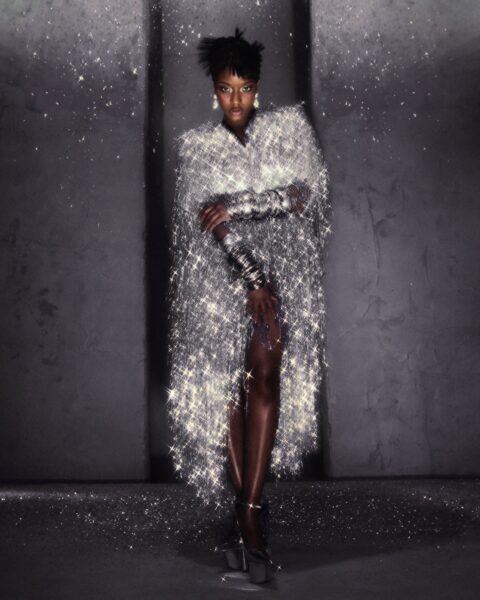
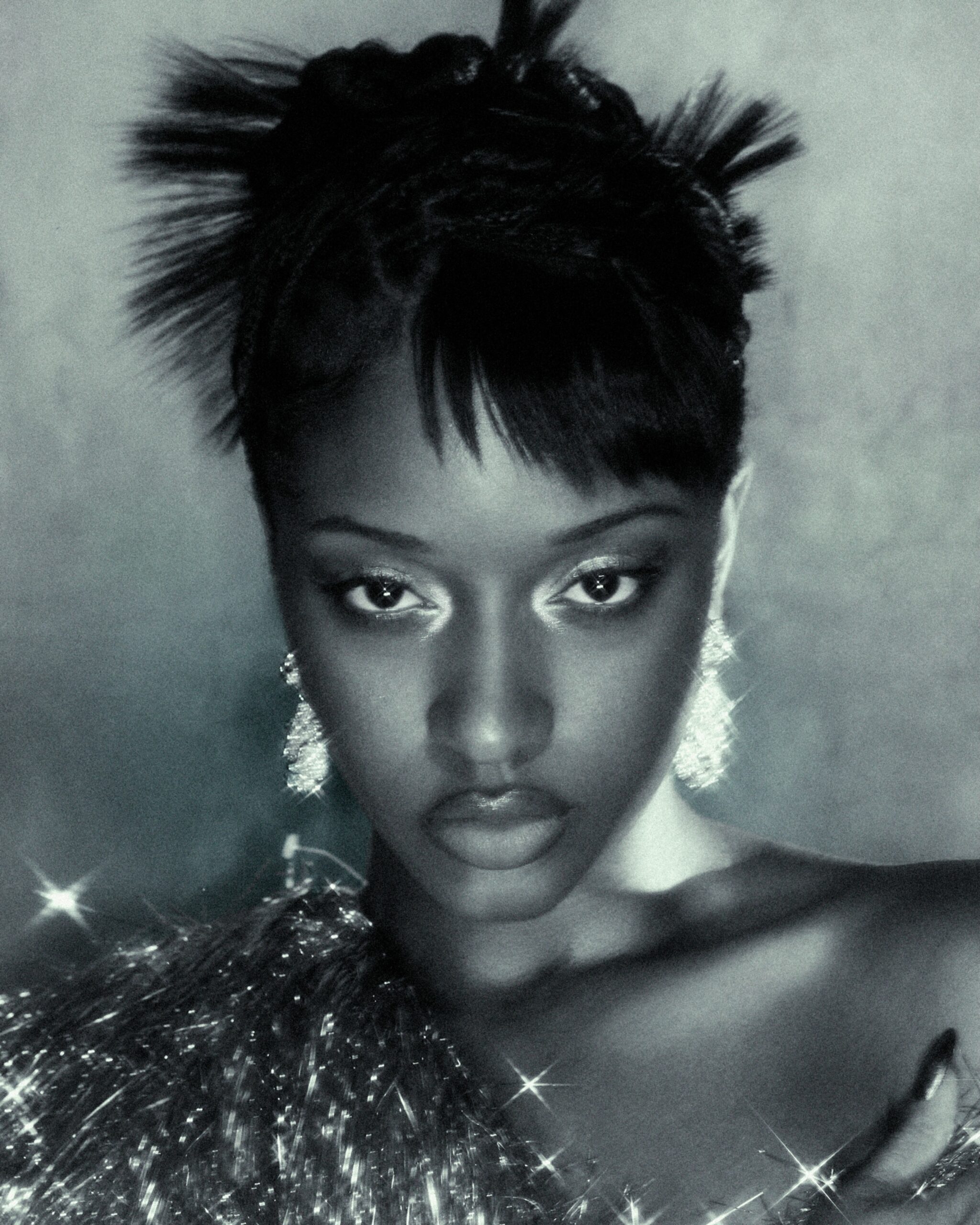
Furthermore, her visual presentation in the 66 GREENE feature—styled by Jahulie in Y2K-inspired spiky updos, silver sequin ensembles, and avant-garde metallic fringe—cements her status as a formidable fashion icon. This intersection of high fashion, cinematic ambition, and deeply personal songcraft positions Ayra Starr not merely as a pop phenomenon, but as a defining cultural architect for a new generation of listeners worldwide.