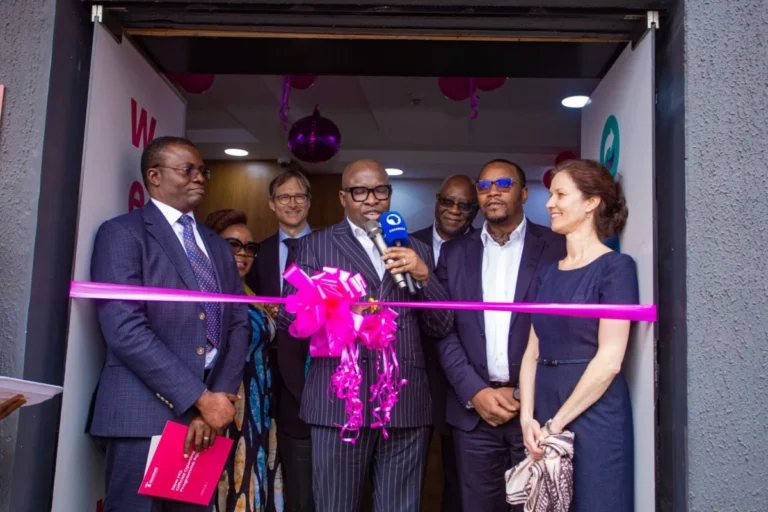
The landscape of financial inclusion in Nigeria reached a significant milestone this week as Baobab Microfinance Bank officially commissioned its new corporate Head Office in Lagos, signaling a renewed and fortified commitment to the nation’s burgeoning Micro, Small, and Medium Enterprises (MSME) sector. Located at No. 129 Ikorodu Road, the new facility is designed to serve as a central hub for the bank’s operations, aimed at streamlining service delivery and enhancing the efficiency of financial interventions for entrepreneurs across the country. This move comes at a critical juncture for the Nigerian economy, where small business owners are increasingly seeking reliable partners to navigate the complexities of rising operational costs and market volatility.
The transition to the new headquarters is not merely a change of address but a strategic realignment of the bank’s mission to provide faster, smarter, and more inclusive financial solutions. For over a decade, Baobab Microfinance Bank has been a fixture in the Nigerian financial ecosystem, catering to the "unbanked" and "underbanked" populations who often find the requirements of traditional commercial banks prohibitive. By establishing a modern, centralized command center in the heart of Lagos, the bank is positioning itself to better coordinate its nationwide activities, ensuring that the tailors, shop owners, and artisans who form the backbone of the economy have easier access to the capital they need to scale.
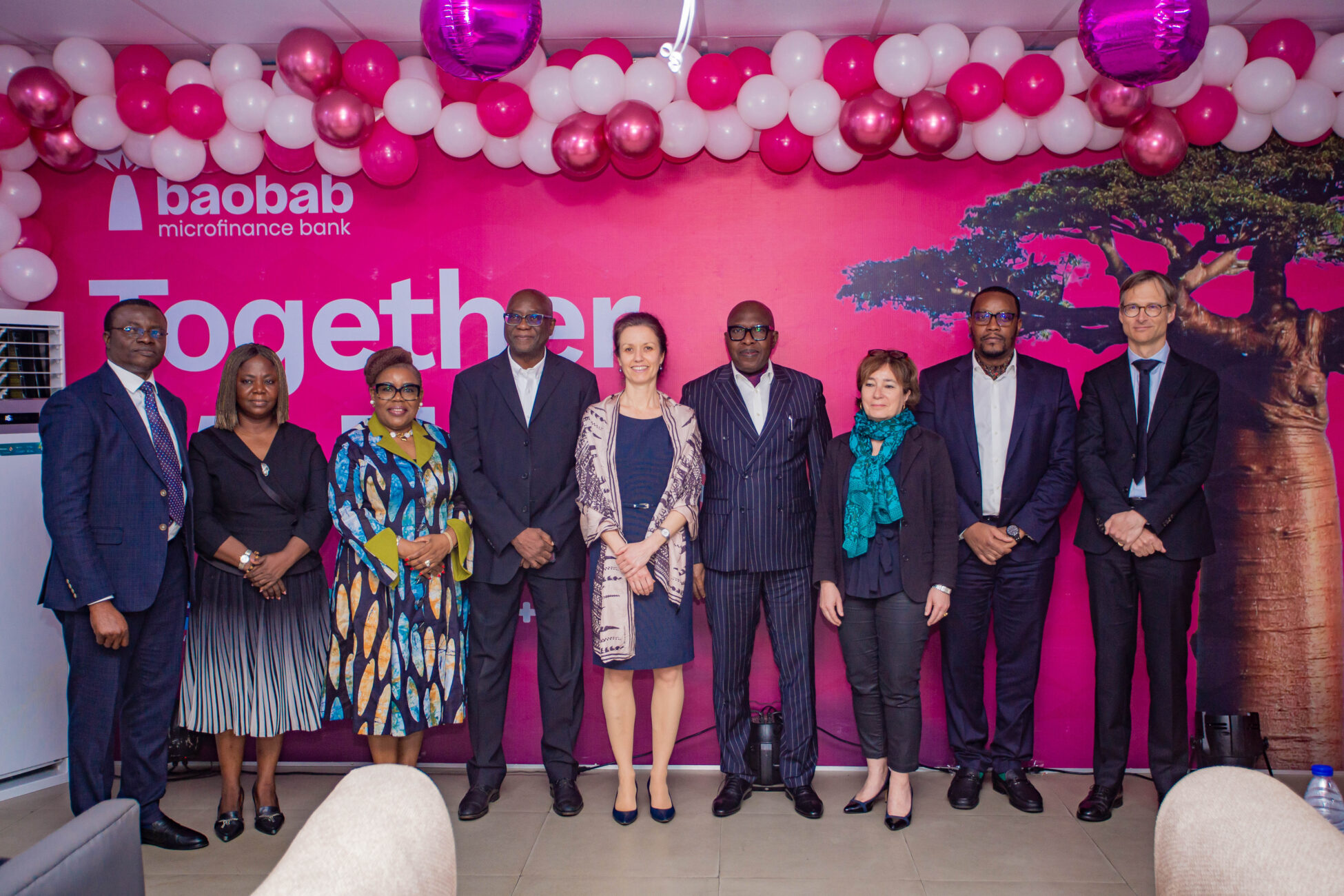
The grand opening ceremony was attended by key stakeholders, board members, and executive leadership, all of whom emphasized that the new building represents the physical manifestation of the bank’s resilience and long-term vision. Rotimi Oyekanmi, Chairman of the Board of Baobab Nigeria, highlighted the institutional strength that the new office symbolizes. He noted that the commissioning is a significant milestone in the bank’s growth journey, reflecting a robust vision and an unwavering commitment to expanding access to financial services while delivering sustainable value to customers and stakeholders alike.
Strategic Operational Realignment and Regional Support
While the new Lagos headquarters will serve as the primary nerve center for the bank, Baobab Microfinance Bank has confirmed that its existing offices in Kaduna and Yaba will continue to function as Head Office Annexes. This decentralized yet coordinated approach ensures that the bank maintains a strong presence in both the northern and southern regions of the country, providing localized support while benefiting from the centralized oversight and technological infrastructure of the new Lagos facility.
Eric Ntumba, the Chief Executive Officer of Baobab Microfinance Bank Nigeria, elaborated on the operational advantages of the new location. According to Ntumba, the Head Office is designed to foster a culture of seamless collaboration among staff, which directly translates to improved service for the end consumer. He emphasized that the facility enables the bank to operate more effectively, allowing for the rapid development and deployment of innovative financial solutions. By reducing administrative bottlenecks and improving communication across its various departments, the bank aims to shorten the turnaround time for loan disbursements—a critical factor for small business owners who often require quick liquidity to seize market opportunities or restock inventory.
The choice of Ikorodu Road for the new headquarters is also strategically significant. As one of Lagos’s most vital arterial roads, it connects major commercial hubs and serves as a transit point for thousands of commuters and business owners daily. This visibility and accessibility are expected to enhance the bank’s brand presence and make it more approachable for the everyday entrepreneur.
Contextualizing the Nigerian MSME Funding Gap
To understand the impact of Baobab’s expansion, one must look at the broader economic context of Nigeria. MSMEs are the lifeblood of the Nigerian economy, contributing approximately 48% to the national Gross Domestic Product (GDP) and accounting for over 80% of employment. Despite their importance, these businesses face a staggering credit gap. According to reports from the Small and Medium Enterprises Development Agency of Nigeria (SMEDAN) and the International Finance Corporation (IFC), the funding gap for MSMEs in Nigeria is estimated to be in the trillions of Naira.
Traditional commercial banks often view MSMEs as high-risk due to a lack of formal collateral and documented financial histories. This is where microfinance institutions like Baobab step in. By utilizing alternative credit scoring methods and focusing on character-based lending, Baobab has managed to provide a lifeline to sectors that are typically ignored. The new Head Office is equipped to handle the increasing volume of data and applications resulting from this specialized focus, ensuring that the bank’s "high-touch, high-tech" approach remains sustainable as it scales.
A Continental Vision: From Paris to Lagos
Baobab Nigeria is part of the larger Baobab Group, a leading financial services group headquartered in Paris, France, with a footprint spanning several African countries, including Senegal, Ivory Coast, Mali, and the Democratic Republic of Congo. The Group CEO, Philip Sigwart, provided a continental perspective on the Nigerian expansion, noting that the growth of the Nigerian subsidiary is a testament to the strength of the Group’s broader African strategy.
Sigwart revealed an ambitious roadmap for the future, stating that the new Lagos headquarters is just the beginning of a larger expansion phase. As part of its growth strategy, Baobab plans to open an additional 100 branches in the near future. This aggressive expansion is aimed at deepening financial penetration in rural and peri-urban areas where access to formal banking remains limited. By combining a strong physical presence with digital innovation, Baobab intends to lead the charge in making financial services more inclusive and impactful across the continent.
The Group’s focus remains on delivering high-impact financial solutions that transcend simple lending. These include savings products, insurance, and digital payment platforms that empower individuals to manage their finances with greater autonomy. The synergy between the Paris headquarters and the Lagos office is expected to bring international best practices in risk management and corporate governance to the Nigerian microfinance sector.
Navigating Economic Headwinds
The commissioning of the new office comes at a time when Nigeria is grappling with significant macroeconomic challenges. Inflation rates have surged to record highs, driven by the removal of fuel subsidies and the floating of the Naira. These factors have led to increased costs for raw materials, transportation, and energy, placing immense pressure on small business margins.
In this environment, the role of a microfinance bank evolves from being a mere lender to becoming a strategic partner. Analysts suggest that Baobab’s investment in a new Head Office is a signal of confidence in the long-term viability of the Nigerian market despite current headwinds. By strengthening its own corporate infrastructure, the bank is better positioned to offer restructured loans, financial advisory services, and flexible repayment plans to help its clients weather the economic storm.
Furthermore, the move toward a more centralized and efficient operation is expected to drive down the bank’s own internal costs over time. In the competitive microfinance landscape, operational efficiency is key to maintaining affordable interest rates for borrowers. If Baobab can leverage its new facility to achieve greater economies of scale, it may be able to pass those benefits on to its customers in the form of more competitive financial products.
Technological Integration and Future Outlook
A significant portion of the new Head Office is dedicated to the bank’s digital transformation initiatives. In recent years, the Nigerian financial sector has seen a massive shift toward fintech solutions. To remain competitive, traditional microfinance banks are increasingly adopting "phygital" models—combining physical branch networks with robust mobile banking applications.
The new facility is expected to house an expanded data and technology team focused on enhancing the Baobab mobile app and other digital touchpoints. This will allow customers to apply for loans, check balances, and make payments without needing to visit a physical branch, while still having the security of knowing that a substantial corporate entity supports their digital transactions. This hybrid approach is particularly effective in Nigeria, where personal relationships and trust remain paramount in financial dealings, yet the convenience of digital technology is highly valued.
As Baobab Microfinance Bank settles into its new home on Ikorodu Road, the focus shifts to the execution of its 100-branch expansion plan. The success of this strategy will depend on the bank’s ability to maintain its personalized service model while managing a much larger and more geographically dispersed organization. However, with the backing of an international group and a clear local mandate, the bank seems well-prepared for the challenge.
In conclusion, the opening of Baobab Microfinance Bank’s new Head Office is more than a corporate milestone; it is a declaration of intent. It serves as a reminder that even in challenging economic times, there is a path forward for institutions that prioritize the needs of the people building the economy from the ground up. By investing in better infrastructure, streamlined processes, and a broader reach, Baobab is not just growing its own footprint—it is expanding the horizon of possibility for millions of Nigerian entrepreneurs. The message from 129 Ikorodu Road is clear: the bank is building for the future, and it is doing so by empowering those who are building Nigeria.