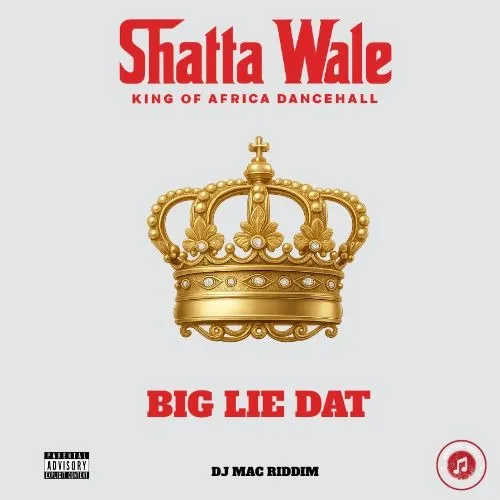
Shatta Wale, a prominent figure in the Ghanaian and broader African dancehall scene, has released a new track titled "Big Lie Dat," a potent and assertive anthem that directly confronts what the artist perceives as manufactured success and unacknowledged influence within the music industry. The song, a visceral dancehall production, serves as a declaration of Shatta Wale’s self-proclaimed status as a foundational architect of contemporary African dancehall, asserting that many of his contemporaries have built their careers by appropriating his stylistic innovations, performance techniques, and past achievements. The artist argues that the accolades and perceived dominance of these rivals are ultimately a "big lie," a façade built upon borrowed foundations.
"Big Lie Dat" is more than just a lyrical assault; it’s a strategic reaffirmation of Shatta Wale’s distinct identity within the African dancehall landscape. He emphasizes the tangible, real-world impact of his music and career, differentiating it from fleeting online popularity or mere speculative buzz. This distinction underscores his commitment to a legacy rooted in concrete achievements rather than ephemeral digital metrics. The song’s lyrical content masterfully blends boastful pronouncements with pointed criticisms, directly addressing those in the music fraternity whom Shatta Wale believes have profited from his blueprint while disingenuously presenting themselves as original innovators.
The core of Shatta Wale’s message in "Big Lie Dat" lies in the stark contrast he draws between his own journey and that of his perceived rivals. He highlights his personal history of struggle, sacrifice, and relentless hard work, framing it as the authentic crucible from which true artistry is forged. In opposition, he alludes to others who, in his view, have taken shortcuts, circumventing the arduous process of genuine artistic development. This juxtaposition is central to his argument that genuine greatness is not merely a matter of staged popularity but is ultimately reflected in an artist’s enduring legacy and demonstrable financial success, rather than superficial online engagement. Consequently, "Big Lie Dat" functions as a dual-purpose release: a preemptive warning to those who might continue to emulate his path without proper attribution, and a powerful declaration of his continued dominance and influence in the genre. The song resonates with listeners who have experienced similar situations of having their work or ideas co-opted without due recognition.
The Genesis of "Big Lie Dat" and Shatta Wale’s Artistic Trajectory
The release of "Big Lie Dat" by Shatta Wale can be contextualized within his extensive career, which began in the early 2000s. While he rose to prominence with hits like "Mekye De3" under the name Bandana, a significant hiatus preceded his triumphant return as Shatta Wale in 2013. This period of reinvention and rebranding was marked by a deliberate cultivation of a larger-than-life persona and a series of chart-topping singles and albums that cemented his position as a dominant force. His journey has been characterized by an unwavering commitment to dancehall, a genre he has consistently championed and adapted to resonate with a pan-African audience.
Shatta Wale’s influence extends beyond musical output. He has been instrumental in advocating for Ghanaian artists, often engaging in public discourse about industry standards, fair compensation, and the recognition of local talent on both continental and global platforms. His outspoken nature and willingness to challenge established norms have, at times, led to controversies, but they have also solidified his image as a fearless advocate for his artistic vision and the broader Ghanaian music industry. The themes of authenticity and hard work, so central to "Big Lie Dat," are recurring motifs in his public pronouncements and artistic narratives. He often references his early struggles and the dedication required to reach his current standing, positioning himself as a self-made artist who has overcome significant obstacles.
Lyrical Analysis: Decoding the "Big Lie"
The lyrical content of "Big Lie Dat" is rich with metaphors and direct allusions that invite deep interpretation. Shatta Wale employs a braggadocio that is characteristic of the dancehall genre, but it is underpinned by a genuine sense of grievance. Phrases such as "borrowed glory" and "copy my style" are not merely boasts but accusations leveled against specific individuals or a broader trend within the industry. He contrasts his own "sweat, pain and hard work" with the "alleged shortcuts" of others, suggesting a fundamental difference in the genesis of their respective successes. This framing is crucial, as it attempts to re-establish a hierarchy based on merit and genuine effort rather than perceived superficial popularity.
The song’s structure likely mirrors this thematic duality. One might expect verses that detail specific instances or patterns of imitation, followed by choruses that serve as anthems of defiance and self-affirmation. The "big lie" is presented not just as a personal affront but as a distortion of the true essence of musical artistry and industry integrity. By emphasizing "real-world results" over "hype or online noise," Shatta Wale is appealing to a tangible form of success—one that can be measured by concert attendance, record sales, brand endorsements, and enduring cultural impact, as opposed to ephemeral social media metrics. This focus on tangible outcomes is a strategic move to solidify his claim to authentic, lasting influence.
Supporting Data and Industry Context
To fully appreciate the implications of "Big Lie Dat," it is beneficial to consider the broader context of the African music industry, particularly the dancehall genre. The rise of Afrobeats and its related subgenres has seen a proliferation of artists achieving significant international recognition. This growth has, in turn, led to increased competition and a complex ecosystem where influence and originality are constantly debated.
Growth of African Music Market: The African music industry has experienced substantial growth in recent years. Reports from organizations like the International Federation of the Phonographic Industry (IFPI) have highlighted significant revenue increases, driven by digital streaming. For instance, the IFPI’s Global Music Report has consistently shown double-digit growth for the African region, underscoring the economic dynamism of the continent’s music scene. This expansion creates a fertile ground for both established artists like Shatta Wale and emerging talents, but it also intensifies the discourse around artistic ownership and influence.
Dancehall’s African Evolution: Dancehall, originating in Jamaica, has found a strong foothold across Africa, with artists in Ghana, Nigeria, Kenya, and other nations adapting its rhythms and lyrical styles to local languages and cultural contexts. This adaptation has led to the emergence of distinct regional dancehall sounds. Shatta Wale is widely recognized as a pioneer in popularizing and shaping the Ghanaian iteration of the genre, often referred to as "Ghanaian Dancehall." His role in this evolution is a key pillar of his argument for authenticity and leadership.
Challenges of Intellectual Property and Attribution: The rapid growth of digital platforms has, however, amplified challenges related to intellectual property rights and attribution. It is not uncommon for artists to face issues with their music being sampled, remixed, or imitated without proper credit or compensation. This environment of fluid digital dissemination can make it difficult to definitively trace the origins of certain stylistic trends or lyrical motifs, leading to disputes and accusations of plagiarism or appropriation. Shatta Wale’s "Big Lie Dat" directly addresses this contentious aspect of the modern music landscape.
Potential Reactions and Industry Analysis
While direct responses from the artists Shatta Wale might be implicitly referencing are unlikely to be immediate or explicit, the release of "Big Lie Dat" is sure to generate discussion within music circles and among fans.
Fan Engagement: Shatta Wale commands a massive and loyal fanbase, often referred to as the "Shatta Movement." This demographic is expected to rally behind their leader, amplifying the song’s message and engaging in online debates defending his claims. Fan-driven social media campaigns are a predictable outcome, often involving the use of specific hashtags and memes to promote the song and its underlying narrative.
Industry Speculation: Music critics and industry analysts will likely dissect the song’s lyrical content, attempting to identify the specific artists or trends Shatta Wale is targeting. This speculation can, in itself, contribute to the song’s virality and influence. The narrative of an established artist calling out perceived imitators is a perennial theme in the music industry, and "Big Lie Dat" taps into this established dynamic.
Analysis of Impact: From an analytical perspective, "Big Lie Dat" serves multiple strategic purposes for Shatta Wale. Firstly, it reinforces his brand as an uncompromising and authentic artist. Secondly, it allows him to reassert his dominance and influence in a competitive market, potentially discouraging younger artists from directly copying his style without acknowledgment. Thirdly, it generates buzz and media attention, keeping him relevant and at the forefront of public discourse. The song’s success will be measured not only by its streaming numbers but also by its ability to spark conversations about artistic integrity and the evolution of African dancehall.
Broader Implications for the Music Ecosystem
The themes addressed in "Big Lie Dat" have broader implications for the African music ecosystem. Shatta Wale’s assertion of being a "pace-setter" and his critique of "borrowed glory" highlight a growing consciousness among established artists regarding their legacy and the importance of acknowledging foundational contributions.
Emphasis on Authenticity: The song underscores a societal and industry-wide demand for authenticity in artistic expression. As the African music market continues to mature, there will likely be an increased emphasis on originality and the recognition of artists who genuinely innovate rather than merely replicate existing formulas. This could lead to a more discerning audience and a greater appreciation for artists who can trace their influences while forging their own unique paths.
Navigating the Digital Age: The challenges Shatta Wale raises about online noise versus tangible results are particularly pertinent in the current digital age. The ease with which content can be disseminated and replicated online necessitates a more robust framework for intellectual property protection and a greater awareness of the ethical considerations surrounding artistic influence and attribution. The conversation initiated by "Big Lie Dat" could contribute to a broader dialogue about how artists can navigate this complex digital landscape and ensure their contributions are appropriately recognized and valued.
The Future of African Dancehall: As a prominent voice in African dancehall, Shatta Wale’s pronouncements in "Big Lie Dat" could influence the future trajectory of the genre. By emphasizing a grounded, hard-earned success, he may inspire a new generation of dancehall artists to focus on building sustainable careers rooted in genuine artistry and innovation, rather than chasing fleeting trends or relying on the imitation of others. His continued articulation of his artistic philosophy and his commitment to what he deems authentic African dancehall will undoubtedly shape perceptions and practices within the genre for years to come.
In essence, "Big Lie Dat" is more than just a song; it’s a statement of intent, a defense of artistic integrity, and a powerful reassertion of influence within the vibrant and rapidly evolving landscape of African music. Shatta Wale’s message, delivered with his characteristic ferocity, resonates with a desire for genuine recognition and a commitment to the hard-fought foundations of artistic success.