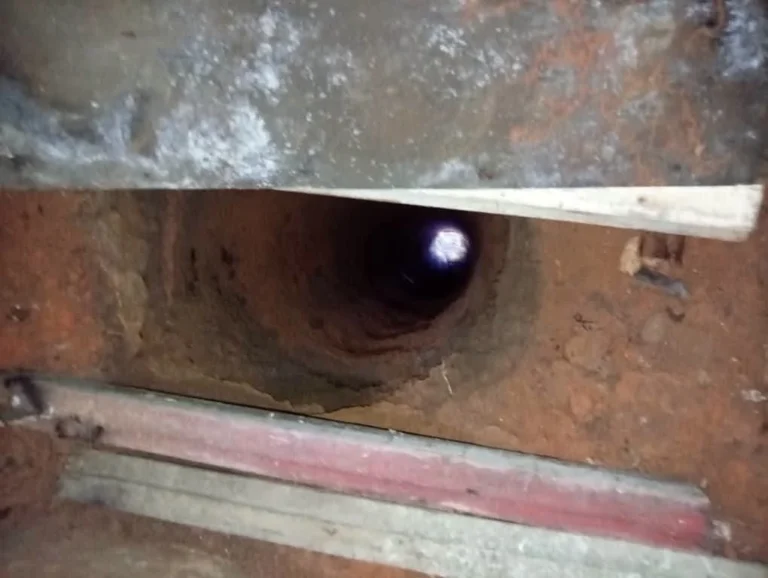
The Abia State Police Command has launched a comprehensive homicide investigation following the harrowing discovery of a missing landlady’s remains within a soakaway pit in the Umueleghele community of Isiala Ngwa South Local Government Area. The incident, which has sent shockwaves through the region, came to light on November 6, 2026, when law enforcement officials confirmed the recovery of the body after an exhaustive community-led search. The investigation, currently being overseen by the Commissioner of Police, AIG Wilfred Afolabi, seeks to untangle a web of alleged land disputes, neighborly conflict, and suspected foul play that preceded the woman’s disappearance.
Chronology of the Disappearance and Discovery
The events leading to the grim discovery began several days prior to November 6, when the victim, a respected landlady in Umueleghele, ceased all communication and was not seen at her usual places of business. Initially, neighbors and relatives assumed she had traveled for personal reasons. However, as the days turned into a week without word, concern shifted into organized action.
Recognizing the gravity of the situation, the community leadership was alerted. The traditional ruler of Umueleghele authorized the use of the town crier to disseminate news of her disappearance, mobilizing local youths to conduct a grid-search of the entire area. The search parties combed through dense vegetation, nearby farmland, uncompleted construction projects, and peripheral pathways.
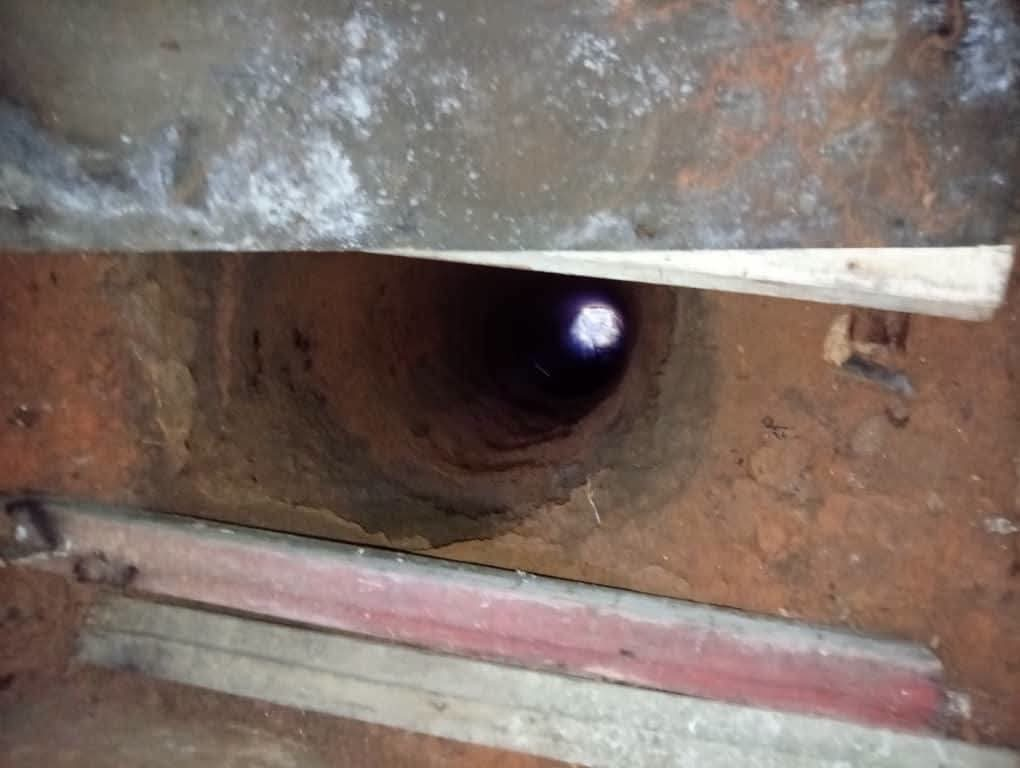
The breakthrough occurred when searchers turned their attention to a neighboring compound. Upon inspection of a 30-foot deep soakaway pit, they identified remains that were later confirmed to be those of the missing landlady. The recovery process was described by witnesses as traumatic, given the depth of the pit and the state of the remains, which residents alleged had been subjected to chemical tampering—specifically the use of acid—to accelerate decomposition and obscure evidence.
Allegations and Community Tension
Preliminary reports from community members have pointed toward a long-standing land dispute as the primary motive. According to residents familiar with the victim’s affairs, she had been involved in a contentious disagreement with a neighbor, identified locally as "New World," regarding the sale of a parcel of land. It is alleged that the victim had consistently rebuffed the neighbor’s attempts to acquire her property, leading to sustained friction.
While these allegations remain unverified by formal law enforcement records, they have become a focal point of the local narrative. Some residents have speculated that the dispute reached a breaking point, resulting in the victim’s abduction and subsequent murder. Furthermore, the reports regarding missing body parts have fueled speculation of ritualistic motives, though officials have cautioned against such theories, noting that the decomposition process and the alleged use of acid could easily account for the state of the remains. As of now, police have not confirmed these details, maintaining that forensic analysis is required to determine the precise cause and manner of death.
Official Police Response and Procedural Status
During a press briefing on Friday, November 6, 2026, Commissioner of Police AIG Wilfred Afolabi provided a brief update on the command’s activities since September 11, specifically addressing the Umueleghele case. While the CP was reticent to release specific details that might compromise the integrity of the ongoing investigation, he confirmed that the matter is being treated with the highest priority.
"The matter is being investigated," AIG Afolabi stated, emphasizing that the command is committed to a thorough forensic examination of the scene and any evidence recovered from the soakaway. The suspect identified as "New World" has reportedly been taken into custody and is currently undergoing interrogation at the state police headquarters. The command has assured the public that the investigation will be transparent and that those found culpable will face the full weight of the law.
The Broader Context of Land Disputes in Abia State
The incident in Isiala Ngwa South highlights a recurring issue in Abia State: the prevalence of violent land-related conflicts. In rural and peri-urban communities across Nigeria, land is often the most significant asset for families. When legal documentation is absent or contested, disputes can escalate rapidly, moving from civil litigation to criminal violence.
Data from the Nigeria Security Tracker (NST) and various human rights monitors indicate that communal and land-related violence accounts for a significant percentage of localized homicides in the South-East region. The lack of standardized land registries in many rural areas often leaves property owners, particularly women and the elderly, vulnerable to intimidation by more powerful or aggressive neighbors.
In this case, the fact that the dispute allegedly centered on the refusal to sell land underscores the vulnerability of individual property owners. The Umueleghele community, typically known for its relative tranquility, is now forced to grapple with the reality that a private disagreement over real estate could manifest as a brutal homicide.
Socio-Economic Implications and Public Safety
The tragedy has prompted a wider conversation about community security and the role of local government in mediating disputes before they turn lethal. The community’s successful mobilization to find the victim demonstrates the strength of local vigilante and youth networks; however, it also highlights a dependency on these groups due to a perceived lack of proactive police patrolling.
Sociologists note that when communities lose faith in the judicial system’s ability to resolve land disputes swiftly and fairly, individuals may feel emboldened to take the law into their own hands. The alleged use of acid and the disposal of the body in a neighbor’s soakaway suggest a degree of premeditation that is particularly alarming to the local population. It implies that the perpetrator felt a sense of impunity, believing that the crime would go undetected or that the community would be unable to connect the dots.
The Abia State Police Command is now under pressure to ensure that the investigation is conducted with scientific rigor. Given the gravity of the allegations—including murder and potential desecration of a body—the prosecution will rely heavily on forensic evidence, including DNA analysis, toxicology reports, and the recovery of any weapons or tools used in the crime.
Next Steps for Law Enforcement
As the investigation enters its second week, the primary objectives for the Abia State Police Command include:
- Forensic Analysis: Conducting a full autopsy and toxicological examination to confirm the cause of death and determine if chemicals like acid were indeed used.
- Interrogation: Concluding the questioning of the primary suspect and exploring potential accomplices who may have assisted in the concealment of the body.
- Evidence Collection: Searching for physical evidence within the suspect’s property and the victim’s home to establish a timeline of events.
- Community Stabilization: Working with local leaders to prevent retaliatory violence or civil unrest, as tensions in Umueleghele remain high.
The case of the missing landlady serves as a grim reminder of the necessity for robust legal frameworks governing land ownership and the importance of police presence in maintaining order. As the community of Umueleghele mourns, the focus remains on the pursuit of justice for the victim, with residents awaiting the outcome of the police investigation to provide closure to this dark chapter in their local history.
For now, the suspect remains in police custody as the state prepares its case. Legal experts suggest that if the evidence supports the allegations of murder, the perpetrator could face life imprisonment or the death penalty, depending on the specifics of the charges filed by the Director of Public Prosecutions (DPP). The Abia State Police Command has promised to provide further updates as the forensic reports become available, signaling that this investigation is far from concluded.