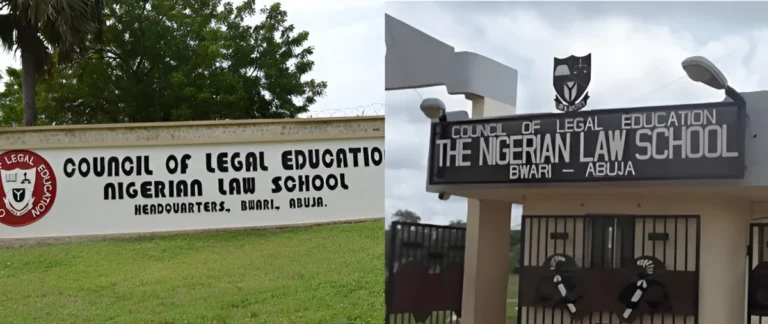
The Council of Legal Education (CLE), the statutory body responsible for the regulation of legal education in Nigeria, has published an exhaustive and updated list of 117 universities authorized to offer Bachelor of Laws (LL.B) programmes. In a public notice released through its official communication channels on Thursday, the Council issued a stern warning to prospective law students, parents, and guardians, emphasizing that graduates from institutions without valid accreditation or those operating under admission moratoriums will be strictly denied entry into the Nigerian Law School. This move is part of a broader effort by the Council to maintain professional standards and prevent the proliferation of substandard legal training across the country’s rapidly expanding tertiary education sector.
The public notice, signed by Aderonke Osho, the Secretary to the Council and Director of Administration, underscores the mandatory nature of the Nigerian Law School for any aspiring legal practitioner. In the Nigerian legal system, obtaining an LL.B degree is merely the first step; to be qualified to practice law and be "called to the Bar," a graduate must complete the professional training program at the Nigerian Law School and pass the Bar Part II examinations. The Council clarified that any student admitted into a law program at a university that lacks the requisite approval will find themselves at a professional dead end, as they will be ineligible for the mandatory vocational training.
Regulatory Framework and the Mandate of the Council
The Council of Legal Education was established under the Legal Education (Consolidation, etc.) Act of 1976. Its primary mandate is to oversee the standards of legal education in Nigeria, which includes the accreditation of law faculties in universities and the management of the Nigerian Law School. While the National Universities Commission (NUC) provides the general academic accreditation for universities to operate, the CLE holds the specific professional mandate to determine whether a faculty is equipped to train future lawyers.
This dual-regulatory environment often creates confusion for students. A university might have NUC approval to exist as an institution but may lack the specialized CLE accreditation for its Law faculty. The CLE’s evaluation process is rigorous, focusing on the staff-to-student ratio, the quality of the law library, the availability of moot court facilities, and the overall curriculum. The Council’s latest publication serves as a definitive guide to ensure that stakeholders do not fall victim to institutions that violate these regulatory benchmarks.
Institutional Sanctions and the Issue of Moratoriums
A significant highlight of the updated list is the status of certain high-profile institutions currently under "moratoriums." A moratorium, in this context, is a disciplinary measure or a regulatory pause where a university is prohibited from admitting new students into its law program for a specified period, usually due to over-admission beyond the approved quota or a decline in facility standards.
For instance, Baze University in Abuja is currently under a three-year moratorium on admissions, covering the 2023/2024 through the 2025/2026 academic sessions. This sanction was reportedly triggered by the institution admitting students far in excess of the quota assigned by the Council. Similarly, Lead City University in Ibadan is facing a five-year moratorium (2023/2024 to 2027/2028), and the Nigeria Police Academy in Wudil, Kano State, has been handed a two-year moratorium for the 2024/2025 and 2025/2026 sessions.
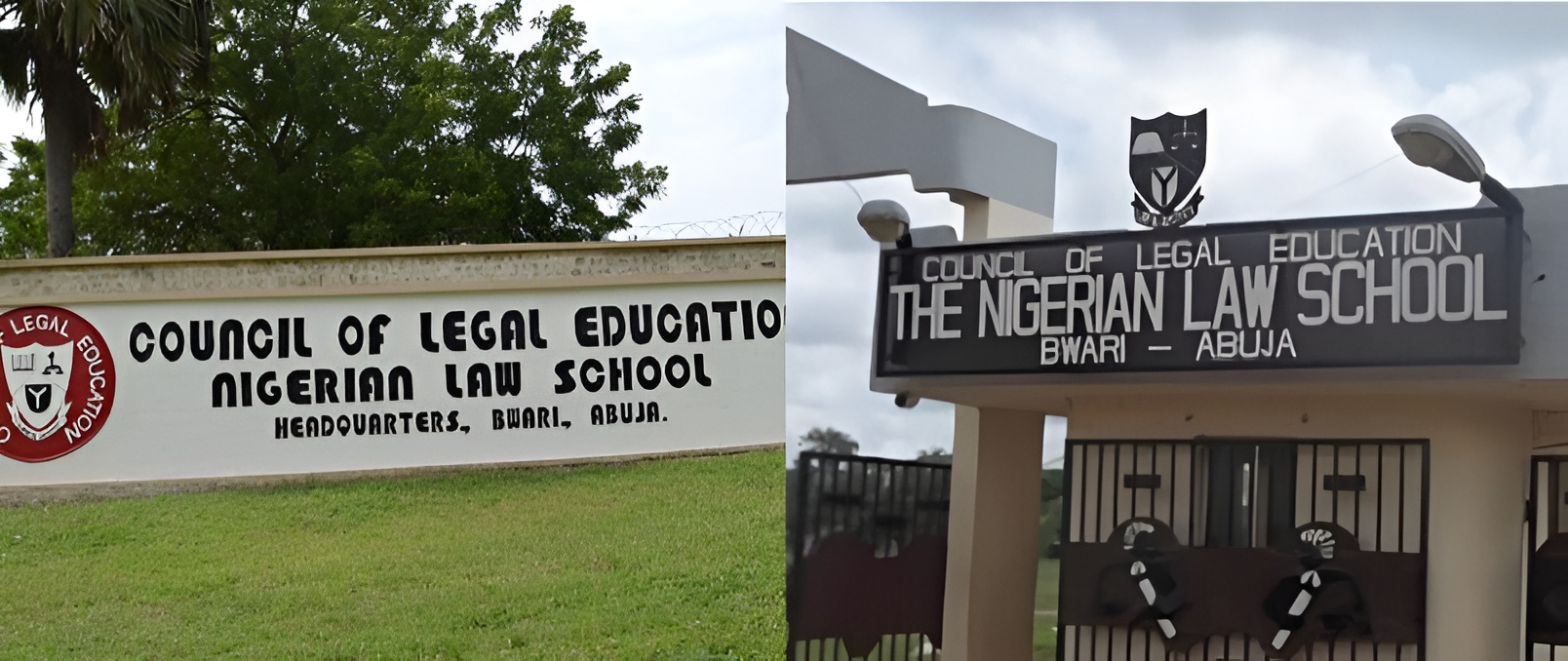
The Council warned that universities admitting students in defiance of these moratoriums or without initial approval are in direct violation of the regulations governing legal education. Such institutions risk further sanctions, including the total withdrawal of accreditation and legal actions in accordance with extant policies.
Historical Context and the Evolution of Legal Training in Nigeria
The current structure of legal education in Nigeria dates back to the recommendations of the Unsworth Committee in 1959. Before this, Nigerians seeking to become lawyers had to travel to the United Kingdom to be called to the English Bar. Following independence, the Nigerian Law School was established in 1962 to provide local vocational training tailored to the Nigerian legal system.
Over the decades, the number of law-degree-awarding institutions has surged. From a handful of federal universities in the 1960s and 70s, the landscape has expanded to include state-owned universities and a massive influx of private institutions. While this expansion has increased access to education, it has also placed a significant burden on the Council of Legal Education to ensure that the quality of the "learned profession" is not diluted. The publication of the accredited list is a recurring exercise intended to act as a check against the commercialization of legal education at the expense of professional competence.
Detailed Breakdown of the 117 Accredited Universities
The 2024 list reflects a diverse mix of Federal, State, and Private universities. The Council’s approval covers institutions across all six geopolitical zones, ensuring a wide geographical spread for prospective students.
Federal Universities
Federal institutions remain the backbone of legal education, often holding the highest admission quotas. Notable mentions include the University of Ibadan (the nation’s oldest), the University of Lagos, Ahmadu Bello University, and the University of Nigeria, Nsukka. These institutions are typically the most sought-after due to their perceived prestige and lower tuition fees compared to private alternatives.
State Universities
State-owned institutions like Lagos State University (LASU), Rivers State University, and Abia State University continue to play a vital role. The Council noted that several state universities have recently upgraded their facilities to meet the stringent accreditation requirements, reflecting an increased investment in legal education at the sub-national level.
Private Universities
The private sector has seen the most rapid growth. Institutions such as Afe Babalola University (ABUAD), Babcock University, and Nile University have established themselves as major players. However, the Council’s notice serves as a reminder that private universities must remain compliant with quota limits, as the temptation to over-admit for financial gain is a primary reason for the imposition of moratoriums.

Implications for Students, Parents, and the Legal Profession
The implications of the Council’s announcement are far-reaching. For students currently enrolled in unaccredited programs, the news is a call for urgent action. Without CLE recognition, their degrees will not be recognized by the Council, effectively barring them from practicing law in Nigeria. This often leads to protracted legal battles between students and university managements.
For parents and guardians, the list provides a layer of consumer protection. It serves as a due diligence checklist before committing significant financial resources to university tuition. Within the legal profession, the Nigerian Bar Association (NBA) has historically supported the CLE’s stringent measures, arguing that the market is becoming saturated and that only the most qualified and properly trained graduates should be admitted to the Bar to maintain the integrity of the judiciary.
Analysis of Regulatory Challenges
The Council of Legal Education faces several challenges in its oversight role. One major issue is the "quota system." Each accredited faculty is assigned a specific number of students they can admit per year based on their resources. Some universities systematically bypass these quotas, leading to overcrowding in classrooms and a strain on library and ICT resources.
Furthermore, the rise of "illegal" satellite campuses and study centers remains a concern. The CLE does not recognize law degrees obtained through part-time, distance learning, or correspondence programs. The insistence on full-time, physical attendance at an accredited campus is a non-negotiable standard for the Council, aimed at ensuring that students undergo the full rigors of legal academic culture.
Comprehensive List of Approved Law Programmes (1-117)
The following institutions are currently recognized by the Council of Legal Education to admit students into the LL.B programme:
- Abia State University, Uturu, Abia State
- Achievers University, Owo, Ondo State
- Adamawa State University, Mubi, Adamawa State
- Adekunle Ajasin University, Akungba-Akoko, Ondo State
- Adeleke University, Ede, Osun State
- Admiralty University, Ibusa, Delta
- Afe Babalola University, Ado-Ekiti, Ekiti State
- Ahmadu Bello University, Zaria, Kaduna State
- Ajayi Crowther University, Oyo, Oyo State
- Al-Ansar University, Maiduguri, Borno State
- Al-Hikmah University, Ilorin, Kwara State
- Aletheia University, Ago-Iwoye, Ogun State
- Alex Ekwueme Federal University, Ndufu-Alike, Ebonyi State
- American University of Nigeria, Yola, Adamawa State
- Ambrose Alli University, Ekpoma, Edo State
- Anchor University, Ayobo, Lagos State
- Arthur Jarvis University, Akpabuyo (Calabar), Cross River State
- Ave-Maria University, Piyanko, Nasarawa State
- Azman University, Kano, Kano State
- Babcock University, Ilishan-Remo, Ogun State
- Bauchi State University, Gadau, Bauchi State
- Bayero University, Kano, Kano State
- Baze University, Abuja (Under Moratorium: 2023/2024 – 2025/2026)
- Benson Idahosa University, Benin City, Edo State
- Bingham University, Karu, Nasarawa State
- Bowen University, Iwo, Osun State
- Caleb University, Imota, Lagos State
- Chrisland University, Abeokuta, Ogun State
- Christopher University, Mowe, Ogun State
- Chukwuemeka Odumegwu Ojukwu University, Igbariam, Anambra State
- Confluence University of Science and Technology, Osara, Kogi State
- Crescent University, Abeokuta, Ogun State
- Delta State University, Abraka, Delta State
- Ebonyi State University, Abakaliki, Ebonyi State
- Edwin Clark University, Kiagbodo, Delta State
- Edo University, Iyamho (Uzairue), Edo State
- Ekiti State University, Ado-Ekiti, Ekiti State
- El-Amin University, Minna, Niger State
- Elizade University, Ilara-Mokin, Ondo State
- Enugu State University of Science and Technology, Agbani, Enugu State
- Federal University, Dutsin-Ma, Katsina State
- Federal University, Lokoja, Kogi State
- Federal University, Otuoke, Bayelsa State
- Federal University, Wukari, Taraba State
- Fountain University, Osogbo, Osun State
- Godfrey Okoye University, Enugu State
- Gombe State University, Gombe State
- Gregory University, Uturu, Abia State
- Hensard University, Toru-Orua, Bayelsa State
- Ibrahim Babangida University, Lapai, Niger State
- Igbinedion University, Okada, Edo State
- Imo State University, Owerri, Imo State
- Joseph Ayo Babalola University, Ikeji-Arakeji, Osun State
- Kingsley Ozumba Mbadiwe University, Ogboko, Imo State
- Koladaisi University, Ibadan, Oyo State
- Kwara State University, Malete, Kwara State
- Lagos State University, Ojo, Lagos State
- Lead City University, Ibadan, Oyo State (Under Moratorium: 2023/2024 – 2027/2028)
- Lux Mundi University, Umuahia, Abia State
- Madonna University, Okija, Anambra State
- Maduka University, Ekwegbe-Nsukka, Enugu State
- Margaret Lawrence University, Abuja, FCT
- Maryam Abacha American University, Kano, Kano State
- McPherson University, Seriki-Sotayo, Ogun State
- Mewar International University, Masaka, Nasarawa State
- Modibbo Adama University, Yola, Adamawa State
- Nasarawa State University, Keffi, Nasarawa State
- Newgate University, Minna, Niger State
- Niger Delta University, Wilberforce Island, Bayelsa State
- Nigerian-British University, Asa, Abia State
- Nile University, Abuja
- Nnamdi Azikiwe University, Awka, Anambra State
- North-Eastern University, Gombe State
- Northwest University, Kano (Yusuf Maitama Sule University), Kano State
- Northwest University, Kalambaina, Wamakko, Sokoto State
- Novena University, Ogume, Delta State
- Obafemi Awolowo University, Ile-Ife, Osun State
- Olabisi Onabanjo University, Ago-Iwoye, Ogun State
- Osun State University, Osogbo, Osun State
- Peter University, Achina/Onneh, Anambra State
- Philomath University, Abuja, FCT
- Plateau State University, Bokkos, Plateau State
- Nigeria Police Academy, Wudil, Kano State (Under Moratorium: 2024/2025 – 2025/2026)
- Prime University, Kuje, FCT Abuja
- Prince Abubakar Audu University, Anyigba, Kogi State
- Rayhaan University, Birnin-Kebbi, Kebbi State
- Redeemer’s University, Ede, Osun State
- Renaissance University, Ugbawka, Enugu State
- Reverend Father Moses Orshio Adasu University, Makurdi, Benue State
- Rivers State University, Port Harcourt, Rivers State
- Salem University, Lokoja, Kogi State
- Sam Maris University, Supare-Akoko, Ondo State
- Shanahan University, Onitsha, Anambra State
- Skyline University, Kano, Kano State
- Taraba State University, Jalingo, Taraba State
- Thomas Adewumi University, Oko-Irese, Kwara State
- Topfaith University, Mkpatak, Akwa Ibom State
- Umaru Musa Yar’Adua University, Katsina, Katsina State
- University of Abuja, Abuja, FCT
- University of Benin, Benin City, Edo State
- University of Calabar, Calabar, Cross River State
- University of Delta, Agbor, Delta State
- University of Ibadan, Ibadan, Oyo State
- University of Ilesa, Ilesa, Osun State
- University of Ilorin, Ilorin, Kwara State
- University of Jos, Jos, Plateau State
- University of Lagos, Akoka, Lagos State
- University of Maiduguri, Maiduguri, Borno State
- University of Nigeria, Nsukka, Enugu State
- University of Port Harcourt, Port Harcourt, Rivers State
- University of Uyo, Uyo, Akwa Ibom State
- University on the Niger, Umumya, Anambra State
- Usman Danfodio University, Sokoto, Sokoto State
- Veritas University, Bwari, Abuja
- Wesley University, Ondo, Ondo State
- Western Delta University, Oghara, Delta State
- Yobe State University, Damaturu, Yobe State
Future Outlook and Quality Control
The Council of Legal Education has signaled that it will continue to update this list as more universities meet the required standards or as existing ones fall short. Experts in the legal field suggest that the Council may soon introduce more digital-centric requirements, such as e-libraries and virtual moot courtrooms, to keep pace with global legal trends.
In conclusion, the publication of this list is a vital administrative action that protects the sanctity of the legal profession in Nigeria. By clearly identifying approved institutions and highlighting those under sanction, the CLE is fulfilling its role as the gatekeeper of legal standards, ensuring that the next generation of Nigerian lawyers is trained in environments that prioritize academic excellence over administrative shortcuts. Stakeholders are advised to consult this list regularly and verify the status of any institution before beginning the journey toward the Nigerian Bar.