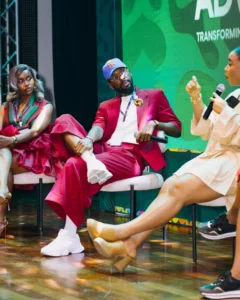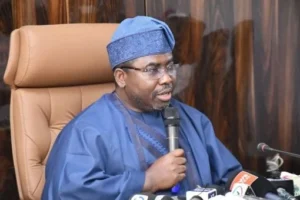
The landscape of the upcoming Osun State gubernatorial election, scheduled for August 15, shifted dramatically this week as global Afrobeats sensation Davido, born David Adeleke, announced a formal pivot from his entertainment career to grassroots political mobilization. In a decisive move intended to bolster the re-election bid of his uncle, Governor Ademola Adeleke, the Grammy-nominated artist has assumed the chairmanship of the Imole Youth Campaign Mobilisation Team. This 43-man committee is tasked with orchestrating a comprehensive, state-wide strategy to secure a second term for the incumbent governor, who is running under the banner of the Accord Party.
The announcement, made during a high-profile gathering in Ede on Tuesday, signals a significant commitment of resources and influence. Davido confirmed that he would be entering a two-month hiatus from his professional music career to devote his full attention to the electoral cycle. This move is viewed by political analysts as a strategic effort to leverage the artist’s massive demographic appeal among young voters, a crucial bloc in the Osun political ecosystem.
Structuring the Imole Youth Campaign Mobilisation Team
The newly inaugurated committee is designed for granular, local-level penetration. According to the internal structure released by the campaign, the committee operates under a hierarchical framework aimed at ensuring no constituency is left uncanvassed. Davido serves as the Chairperson, providing the symbolic and strategic leadership necessary to draw engagement.
The leadership team is further bolstered by Adeshina Kayode Olododo, who serves as the Vice Chairman, and Gbenga Idowu, acting as the Secretary. The operational strategy relies on the appointment of dedicated coordinators across the three senatorial districts of Osun State: Osun Central, Osun East, and Osun West. Furthermore, the committee has established specific oversight for the nine federal constituencies, 30 local government areas, and the administrative machinery of the Modakeke Area Office.
This decentralized approach is intentional. By establishing a presence in every local government, the campaign aims to facilitate a "door-to-door" strategy that connects the Governor’s administrative achievements directly with the constituents in rural and semi-urban settings.
Chronology of the Osun Gubernatorial Cycle
The lead-up to the August 15 election has been characterized by intense political maneuvering. Governor Ademola Adeleke’s administration, which began with high expectations regarding infrastructure development and civil service reform, has faced both praise and scrutiny over the past four years.
- Early 2026: The Independent National Electoral Commission (INEC) finalized the timeline for the Osun gubernatorial election, prompting a flurry of activity among major political parties.
- March 2026: The internal party primaries were concluded, confirming Governor Adeleke as the Accord Party candidate.
- May 2026: The formal inauguration of the Imole Youth Campaign Mobilisation Team marks the beginning of the intensive "campaign trail" phase.
- August 15, 2026: The date set for the electorate to cast their ballots in what is expected to be a tightly contested race.
The transition from the primary phase to the general campaign phase has seen a heightened focus on digital engagement and physical grassroots presence, with the youth committee serving as the primary vehicle for this transition.
The Competitive Landscape
The upcoming election is not a one-sided affair. Governor Adeleke faces stiff competition from two major challengers: Bola Oyebamiji of the All Progressives Congress (APC) and Dr. Najeem Salaam of the African Democratic Congress (ADC).
Political observers suggest that the inclusion of Davido into the campaign fold is a tactical response to the perceived strength of the opposition. The APC, in particular, maintains a significant institutional footprint in the state, while the ADC has been working to consolidate support among disenchanted voters. The entry of a celebrity of Davido’s stature—who holds significant cultural capital—is intended to neutralize the "incumbency fatigue" that often affects sitting governors seeking re-election.
Strategic Objectives and Grassroots Mobilization
During the inauguration ceremony, Davido was explicit about the rationale behind his involvement. He framed the campaign not merely as a family obligation, but as a commitment to the continuity of public service.
"I have put my musical career on hold for two months to come and work for my uncle," Davido stated. "Not only because he is my uncle, but because he is doing a good job, and he has major things to do—the job is not done."
His directive to the 43-man committee was clear: prioritize direct human connection. By emphasizing door-to-door mobilization, the team is tasked with moving beyond the noise of social media and into the homes of voters to showcase specific deliverables—such as road infrastructure, educational improvements, and healthcare initiatives—achieved under the Adeleke administration. The youth demographic, which comprises a significant portion of Osun’s voting population, is the primary target for this initiative.
Data-Driven Political Implications
The impact of celebrity endorsement in Nigerian politics is a subject of ongoing academic and political debate. While historically, political outcomes were determined by party structures and traditional power brokers, the emergence of social media-driven campaigns has shifted the goalposts.
In Osun State, where the youth vote is pivotal, the use of a globally recognized figure like Davido serves to lower the barrier of entry for political discourse. Data from recent electoral cycles suggests that turnout among voters aged 18 to 35 is highly correlated with "candidate identification" and "campaign visibility." By positioning himself at the center of the youth committee, Davido provides a high-visibility, relatable face to the Accord Party’s platform, potentially increasing the participation rate among demographics that typically abstain from the electoral process.
However, critics of this strategy argue that reliance on celebrity influence can sometimes distract from substantive policy debates. The opposition candidates have signaled that they will focus their counter-campaigns on economic indices, specifically inflation rates in the state and the management of local resources. The success of the Imole Youth Campaign will ultimately depend on whether the team can bridge the gap between "celebrity appeal" and "voter sentiment regarding governance."
Official Responses and Public Reaction
While the opposition parties have not issued a formal rebuttal to the creation of the committee, local political commentators note that the APC and ADC are likely to escalate their own youth-focused messaging in response. The political atmosphere in Ede and surrounding areas has seen a sharp increase in activity, with supporters of the various candidates holding rallies and community dialogues.
The campaign team has maintained that its objective is to conduct a peaceful and issue-based campaign. In a statement released following the inauguration, the Imole Campaign Council emphasized that the Youth Committee would operate strictly within the legal framework provided by the Electoral Act.
Future Outlook: The Road to August 15
As the clock ticks down to August 15, all eyes will be on the efficacy of the Imole Youth Campaign Mobilisation Team. For Governor Adeleke, the involvement of his nephew is a "high-stakes, high-reward" maneuver. If successful, it could provide the necessary margin of victory in a race that is expected to be decided by a narrow percentage of the total vote. If it falls short, it will raise questions about the efficacy of celebrity-led political mobilization in the face of entrenched party structures.
The two-month period of inactivity from Davido’s music career represents a tangible economic cost, underscoring the seriousness of the campaign. For the next eight weeks, the narrative of the Osun gubernatorial race will be dominated by the clash between traditional political machines and the modern, influencer-driven tactics spearheaded by the Adeleke campaign.
Whether this strategic pivot will translate into the desired outcome at the ballot box remains the defining question of this electoral season. With the electorate now in the final stage of deliberation, the efforts of the youth committee will be scrutinized for their ability to deliver more than just headlines, but actual votes, when the polls open on August 15.