
Four exceptionally talented Nigerian writers have been officially shortlisted for the highly coveted 2026 Commonwealth Short Story Prize, a testament to the growing global recognition of African literary voices. The Commonwealth Foundation, the esteemed body administering this prestigious award, announced the shortlist, which features 25 writers hailing from 14 diverse nations. This year’s selection was drawn from an impressive pool of 7,806 entries submitted across all 54 Commonwealth countries, underscoring the prize’s expansive reach and the vibrant literary landscape it seeks to illuminate. The regional winners, each representing one of the five Commonwealth regions, are slated for announcement on Wednesday, May 13th, with the ultimate overall winner to be revealed in late June.
The Commonwealth Short Story Prize is universally acknowledged as one of the world’s most significant literary accolades, specifically celebrating outstanding unpublished short fiction from the Commonwealth’s member nations. The 2026 shortlist comprises a balanced representation of genders, with 11 men and 14 women, and showcases a broad spectrum of experience, with nominees ranging in age from 25 to 68. The prize offers substantial financial incentives, with regional winners receiving £2,500 and the overall victor earning a grand prize of £5,000. Furthermore, the shortlisted stories, and particularly the winning narratives, are granted significant exposure through publication online by Granta, a renowned literary journal, and in a special print collection curated by Paper + Ink, ensuring their accessibility to a wide readership.
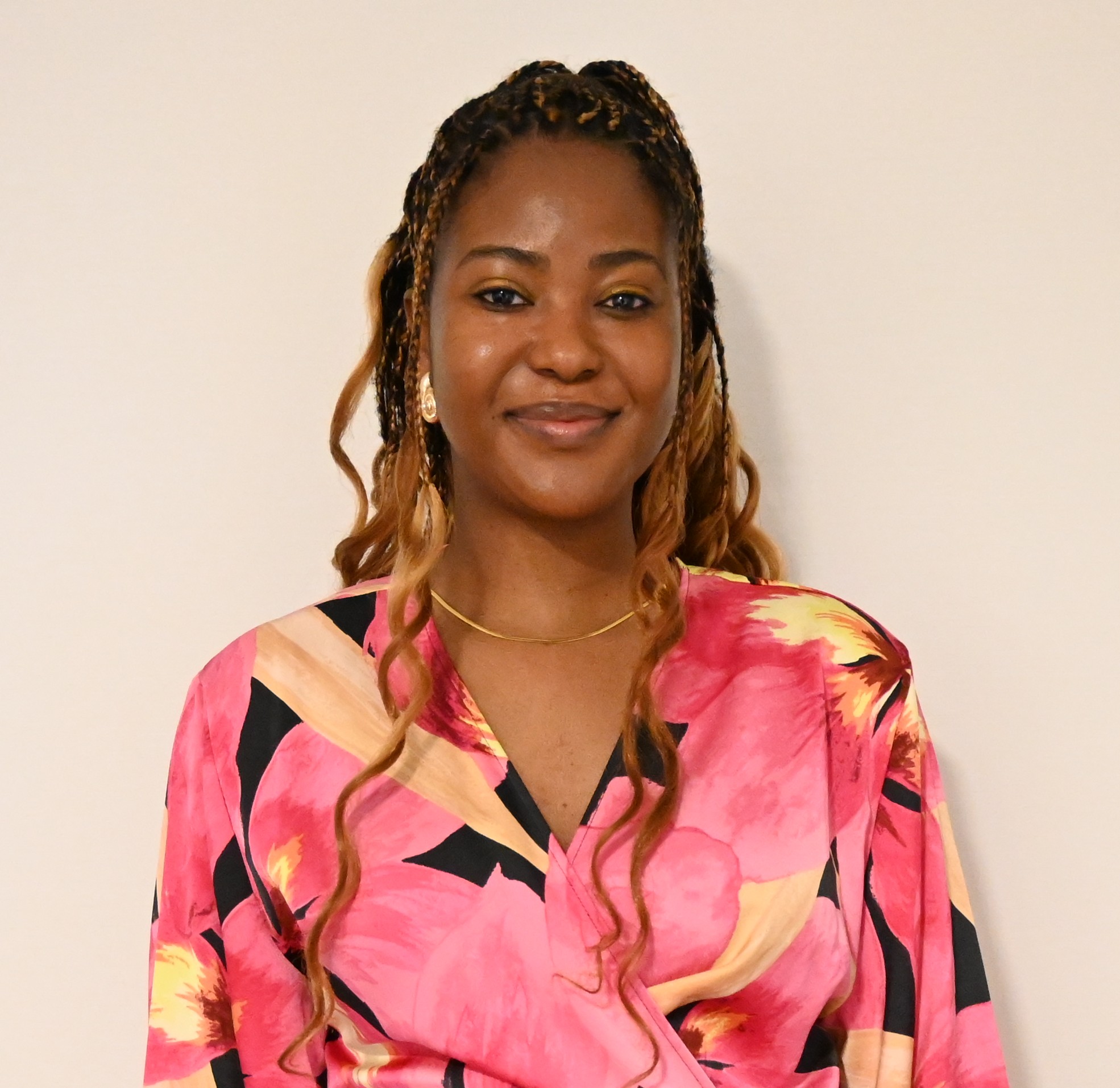
The four Nigerian writers, all in their early thirties, represent a powerful cohort pushing the boundaries of contemporary storytelling. Hussani Abdulrahim, aged 31, from Kano, has earned a place on the shortlist for his compelling story, "Arewa Girls." Oluwatoke Adejoye, also 31, currently residing in Vancouver, Canada, is recognized for her submission, "New Things." Dawn Immanuel, a 31-year-old writer and editor based in Ibadan, has been shortlisted for her evocative narrative, "The God under the Bed." Completing the Nigerian contingent is Ola W. Halim, aged 30, from Ekpoma, who marks a notable return to the Commonwealth Short Story Prize shortlist, having previously been recognized in 2021. Their collective inclusion highlights the depth and diversity of Nigerian literary talent on the international stage. Notably, Africa boasts a total of seven writers shortlisted across the prize’s regions, underscoring the continent’s burgeoning influence in global literature.

The Shortlisted Nigerian Literary Stars
Hussani Abdulrahim: A Chronicle of Recognition
Hussani Abdulrahim’s journey in the literary world is marked by a consistent stream of accolades, making his inclusion in the 2026 Commonwealth Short Story Prize shortlist a logical progression. His story, "Arewa Girls," has captured the attention of the judging panel, adding to his already impressive portfolio. Abdulrahim was previously shortlisted for the 2024 ALCS Tom-Gallon Trust Award, demonstrating his consistent quality of work. His significant achievements include winning the 2023 Writivism Prize, the 2022 Toyin Falola Prize, and WRR’s 2016 Green Author Prize. His presence on the longlist for the Commonwealth Short Story Prize in 2023 further solidified his standing. Abdulrahim’s writing has graced the pages of esteemed publications such as Boston Review, Evergreen Review, Ubwali Lit Mag, ZamaShort, and The Flame Tree Writers Workshop Anthology, showcasing his versatile and impactful prose. Residing in Kano, Nigeria, his work often reflects the nuances of his local environment and experiences.
Dawn Immanuel: A Debut Story’s Powerful Impact
Dawn Immanuel, an emerging voice in Nigerian literature, has made a significant impact with her debut short story, "The God under the Bed," earning her a coveted spot on the Commonwealth Short Story Prize shortlist. Based in Ibadan, Immanuel is a writer and editor whose creative drive is fueled by curiosity and spontaneous inspiration, often leading her to explore narratives of resilient individuals and those whose stories often go untold. Beyond her writing, Immanuel is the founder of Patchwork Quilt, a comprehensive book production studio, demonstrating her commitment to fostering literary development. Her entry into the Commonwealth Short Story Prize with her first published short story signifies a remarkable and auspicious debut on the international literary scene.

Ola W. Halim: Building on Past Success
Ola W. Halim’s return to the Commonwealth Short Story Prize shortlist for 2026, with his story "Shock Me I Shock You," is a testament to his enduring talent and the consistent quality of his narrative craft. As a 2022 fellow of the Literary Laddership for Emerging African Authors, Halim has been actively cultivating his literary skills and gaining valuable mentorship. His stories have been featured in a distinguished array of literary platforms, including SmokeLong Quarterly, Fractured Lit, Lolwe, Iskanchi, adda, and The Forge, and his work was included in the Best Small Fictions 2024 anthology. Halim’s previous nomination for the 2021 Commonwealth Short Story Prize for his story "An Analysis of a Fragile Affair" marked his initial foray into this prestigious competition. Further underscoring his critical acclaim, he was a finalist for the Gerald Kraak Prize in 2022, and his short stories have garnered nominations for both the Pushcart Prize and the Caine Prize, highlighting his significant contributions to contemporary fiction.
Oluwatoke Adejoye: A Lawyer’s Literary Acumen
Oluwatoke Adejoye, a Nigerian-born writer now based in Metro Vancouver, Canada, brings a unique blend of legal training and creative storytelling to the 2026 Commonwealth Short Story Prize shortlist for her work, "New Things." Adejoye’s literary contributions have been recognized in prominent publications such as Harvard’s Transition Magazine, Room Magazine, and The New Quarterly, among others. Her academic background is as impressive as her literary achievements; she holds a Master of Fine Arts in Creative Writing from the University of British Columbia, a testament to her dedication to honing her craft. Adejoye’s professional journey, which has included experience in film and publishing, complements her legal qualifications, providing her with a rich and multifaceted perspective that undoubtedly informs her compelling narratives.

The Commonwealth Short Story Prize: A Legacy of Literary Excellence
The Commonwealth Short Story Prize, established to champion and celebrate literary talent across the Commonwealth, has a rich history of identifying and promoting emerging and established writers. Administered by the Commonwealth Foundation, the prize plays a crucial role in fostering cultural exchange and understanding through the power of literature. The foundation’s mission extends beyond simply awarding prizes; it actively works to support writers, literary organizations, and initiatives that promote diverse voices and perspectives.
The prize’s structure, which involves regional shortlisting before the final selection of an overall winner, ensures that a wide array of stories from across the Commonwealth are given due consideration. This approach not only highlights the geographical diversity of the Commonwealth but also acknowledges the distinct cultural and social contexts that shape the narratives produced within these regions. The significant increase in entries year on year, from 7,806 this year, reflects the prize’s growing stature and its importance in the global literary calendar. This surge in submissions is a clear indicator of the prize’s effectiveness in inspiring writers and providing them with a platform to share their work.
The financial rewards associated with the prize are substantial, offering a significant boost to the careers of the shortlisted writers. The £2,500 for regional winners and the £5,000 for the overall winner can provide much-needed financial support, allowing writers to dedicate more time and resources to their craft. Beyond the monetary aspect, the publication opportunities with Granta and Paper + Ink offer invaluable exposure, connecting the winning stories with a global audience of readers and literary professionals. This exposure can lead to further publishing deals, translation opportunities, and increased recognition, thereby shaping the trajectory of a writer’s career.
Broader Implications for African Literature
The strong representation of Nigerian writers, alongside the significant number of African nominees in general, on the 2026 Commonwealth Short Story Prize shortlist carries profound implications for the continent’s literary landscape. It signals a paradigm shift, with African storytellers increasingly commanding international attention and critical acclaim. This success is not merely a matter of individual achievement but reflects a broader trend of African literature gaining global prominence.
The themes explored in the shortlisted stories, though not detailed in the initial announcement, often delve into the complexities of contemporary African life, addressing issues of identity, migration, socio-political landscapes, and personal resilience. The ability of these writers to craft universally resonant narratives from specific cultural contexts is a hallmark of their talent and a key factor in their international success.
This recognition serves as a powerful encouragement for aspiring writers across Africa, demonstrating that their voices are not only valid but also capable of captivating a global readership. It can inspire a new generation of storytellers to engage with their own experiences and perspectives, contributing to a richer and more diverse global literary tapestry. Furthermore, such accolades can stimulate greater investment in literary infrastructure within African nations, including publishing houses, literary festivals, and writing workshops, thereby fostering a more robust and sustainable literary ecosystem.
The Commonwealth Short Story Prize, by its very nature, acts as a bridge, connecting writers and readers across diverse cultures and geographical boundaries. The success of these Nigerian writers on such a prestigious platform contributes to a more nuanced and multifaceted understanding of Africa, moving beyond stereotypes and showcasing the continent’s vibrant intellectual and creative output. As the regional and overall winners are announced, the literary world will undoubtedly be paying close attention, eager to engage with the compelling stories that have earned this significant international recognition. The continued success of African writers in competitions like the Commonwealth Short Story Prize is a powerful indicator of the continent’s growing and undeniable impact on the global literary stage.