
The global response to antimicrobial resistance (AMR) is facing a critical juncture. Despite high-profile international pledges made during the 2024 United Nations General Assembly High-Level Meeting on AMR—where member states committed to reducing deaths associated with drug-resistant superbugs by 10% by 2030—action on the ground remains alarmingly slow. Analysts, public health officials, and civil society organizations warn that the momentum generated in New York is dissipating, plagued by chronic underfunding, fragmented surveillance, and a lack of institutional accountability at the national level.
As the international community prepares for the upcoming 5th High-Level Ministerial Meeting on Antimicrobial Resistance, scheduled to take place from December 6 to 8 in Abuja, Nigeria, stakeholders are hoping to reignite political will. Ahead of the Abuja gathering, a multi-stakeholder partnership platform assembly will convene in Rome from November 16 to 18, coinciding with World Antimicrobial Awareness Week. These meetings represent crucial stepping stones to evaluate why national implementation has stalled and to establish rigorous mechanisms to translate global promises into measurable domestic outcomes.

The Scale of the Crisis: A Silent Pandemic
Antimicrobial resistance occurs when bacteria, viruses, fungi, and parasites evolve and no longer respond to medicines, making common infections harder to treat and increasing the risk of disease spread, severe illness, and death. Often described as a "silent pandemic," AMR poses a severe threat to modern medicine, potentially undermining decades of progress in surgery, chemotherapy, and infectious disease management. Some scientists even warn that an untreatable, drug-resistant pathogen could spark the next global health emergency.
The statistical toll of AMR is staggering. According to estimates from the World Health Organization (WHO), approximately 4.9 million deaths annually are associated with bacterial AMR. A landmark 2022 study published in The Lancet further refined this data, estimating that 1.27 million deaths were a direct, causal result of bacterial resistance to antibiotic treatments. These figures place superbugs on par with some of the world’s leading fatal diseases, yet public investment and policy execution have consistently failed to match the gravity of the threat.

The Implementation Gap: Plans Without Budgets
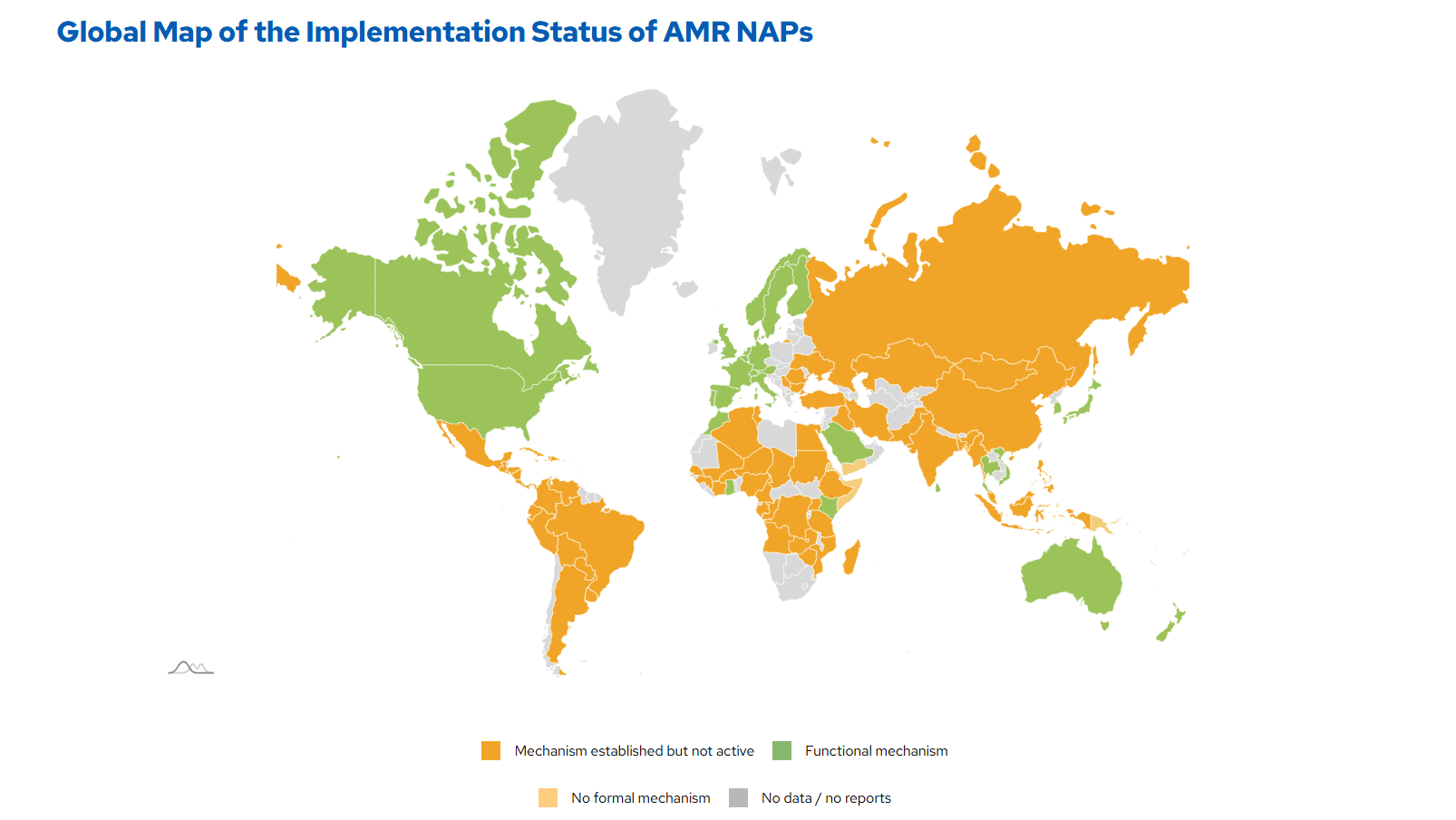
In the wake of the 2024 UN declaration, nearly all UN member states endorsed the creation of National Action Plans (NAPs) to combat AMR across human, animal, and environmental sectors. However, possessing a plan on paper has rarely translated into functional execution.
According to WHO data, while 178 countries had developed and endorsed AMR NAPs by 2023, only about 11% of these nations were actively implementing them with adequate financial backing. Experts point out that the vast majority of national plans lack dedicated funding streams within routine government budgets, leaving health systems unequipped to handle the complex structural changes required to curb resistance.

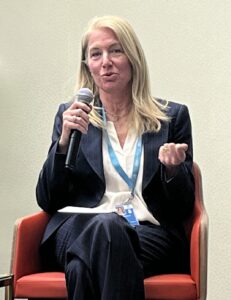
"There’s been a lack of investment in actual National Action Plans. We need to dramatically step this up if we want to effectively combat AMR," says Katherine Urbaez, founder and executive director of the Geneva-based Health Diplomacy Alliance (HDA), a prominent civil society actor in the global health space. "The December meeting is a chance to reaffirm our commitments, and accelerate action. The Rome meeting will also provide an important platform for engaging civil society, academia, and the private sector."
The Draft Abuja Compact: A Blueprint for Financial and Structural Commitment
The draft Abuja Compact on Antimicrobial Resistance, prepared specifically for the upcoming December ministerial summit in Nigeria, aims to address these systemic shortcomings head-on. The document urges governments to recommit to the core tenets of the 2024 UN Declaration and mandates the integration of AMR expenditures into routine national planning and fiscal budgets.

Key priorities outlined in the Abuja Compact include:
- Financial Integration: Urging finance ministries, the World Bank, and regional development banks to factor AMR considerations into grants, loans, and national budgetary allocations.
- Enhanced Surveillance: Strengthening national tracking systems for both antimicrobial consumption (spanning antibiotics, antivirals, and antiparasitics) and resistant infections, with routine data-sharing pipelines directed to the WHO, the Food and Agriculture Organization (FAO), and the World Organisation for Animal Health (WOAH).
- Infection Prevention and Control (IPC): Scaling up investments in clean water, sanitation, and hygiene (WASH) infrastructure, improving diagnostic availability, and promoting the appropriate prescribing of therapeutics.
- Domestic Research and Manufacturing: Fostering regional manufacturing capacity for critical health products and investing in local R&D pipelines.
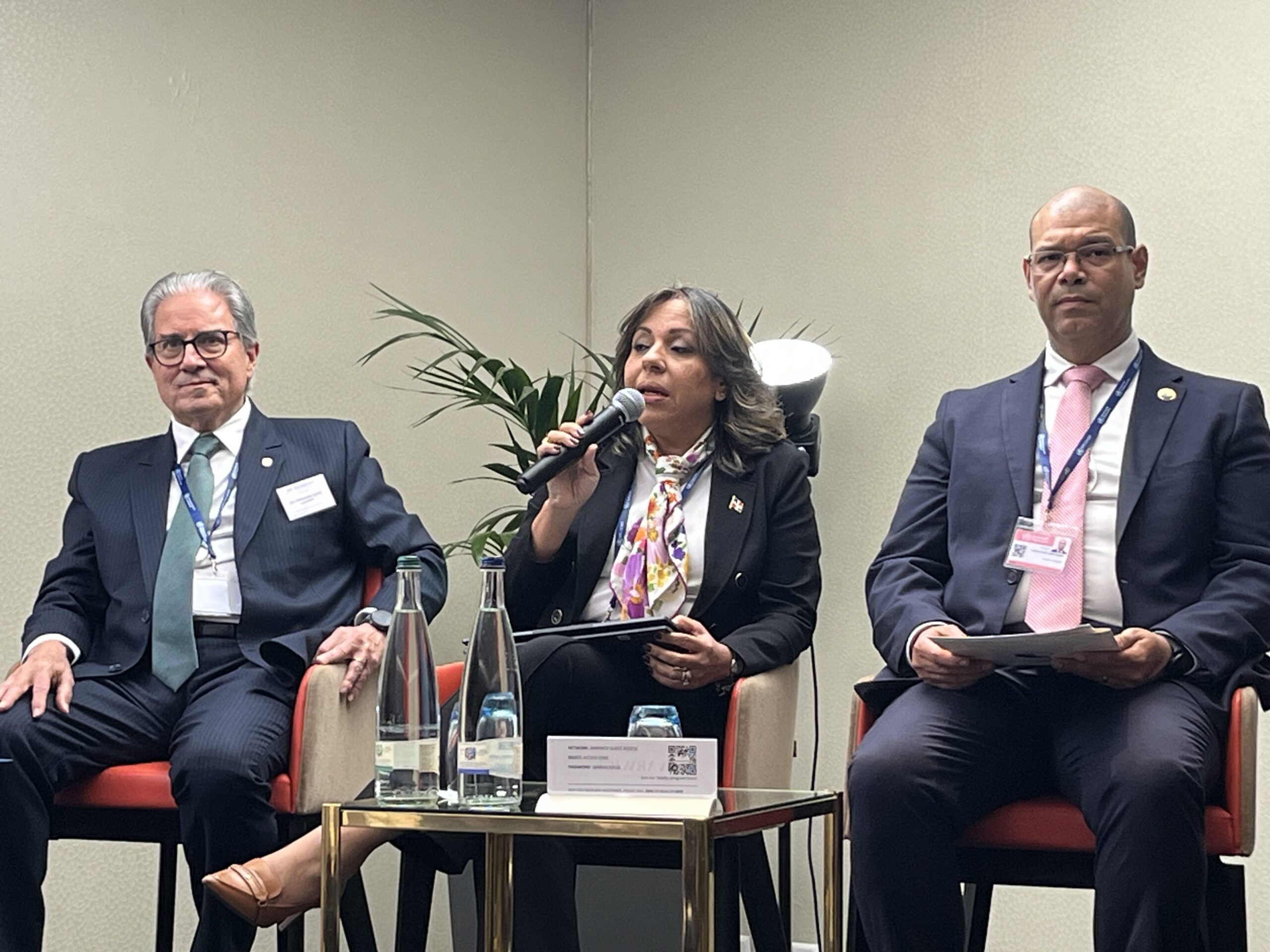
During recent preliminary discussions, health officials emphasized that structural reform requires clear institutional ownership. Gina Estrella Ramia, Vice-Minister of Environmental Health in the Dominican Republic, noted during a WHO side event that successful interventions demand dedicated institutional authority, staffing, and fixed reporting timelines, with finance ministries participating from the very beginning of the planning process.
The One Health Challenge and Fragmented Surveillance
Because resistant organisms travel seamlessly across human populations, food chains, agricultural supply chains, and aquatic ecosystems, fighting AMR requires a strict "One Health" approach. This holistic framework coordinates action across human health, animal husbandry, plant health, and environmental management.
However, tracking systems across these sectors remain fragmented. Within human health, the WHO’s Global Antimicrobial Resistance and Use Surveillance System (GLASS) serves as the primary repository for tracking resistance trends and antibiotic consumption. Yet, approximately 42% of countries fail to report data to GLASS entirely, and others provide only partial insights, forcing researchers to rely on modeled estimates generated by institutions like the Institute for Health Metrics and Evaluation (IHME), the Wellcome Trust, and the University of Oxford.
In the agricultural and veterinary sectors, where the vast majority of global antimicrobial volume is consumed, data collection has historically been opaque. While the FAO’s InFARM database monitors antimicrobial use in crop and animal production, much of its data remains private. Conversely, the World Organisation for Animal Health (WOAH) has made notable strides through its ANIMUSE database, which tracks antimicrobial quantities used in animal production across nearly 120 countries, revealing that the highest volumes of veterinary antibiotic use are concentrated in Asia and the Americas.
Civil Society Push for Accountability: The "Check the Box" Initiative
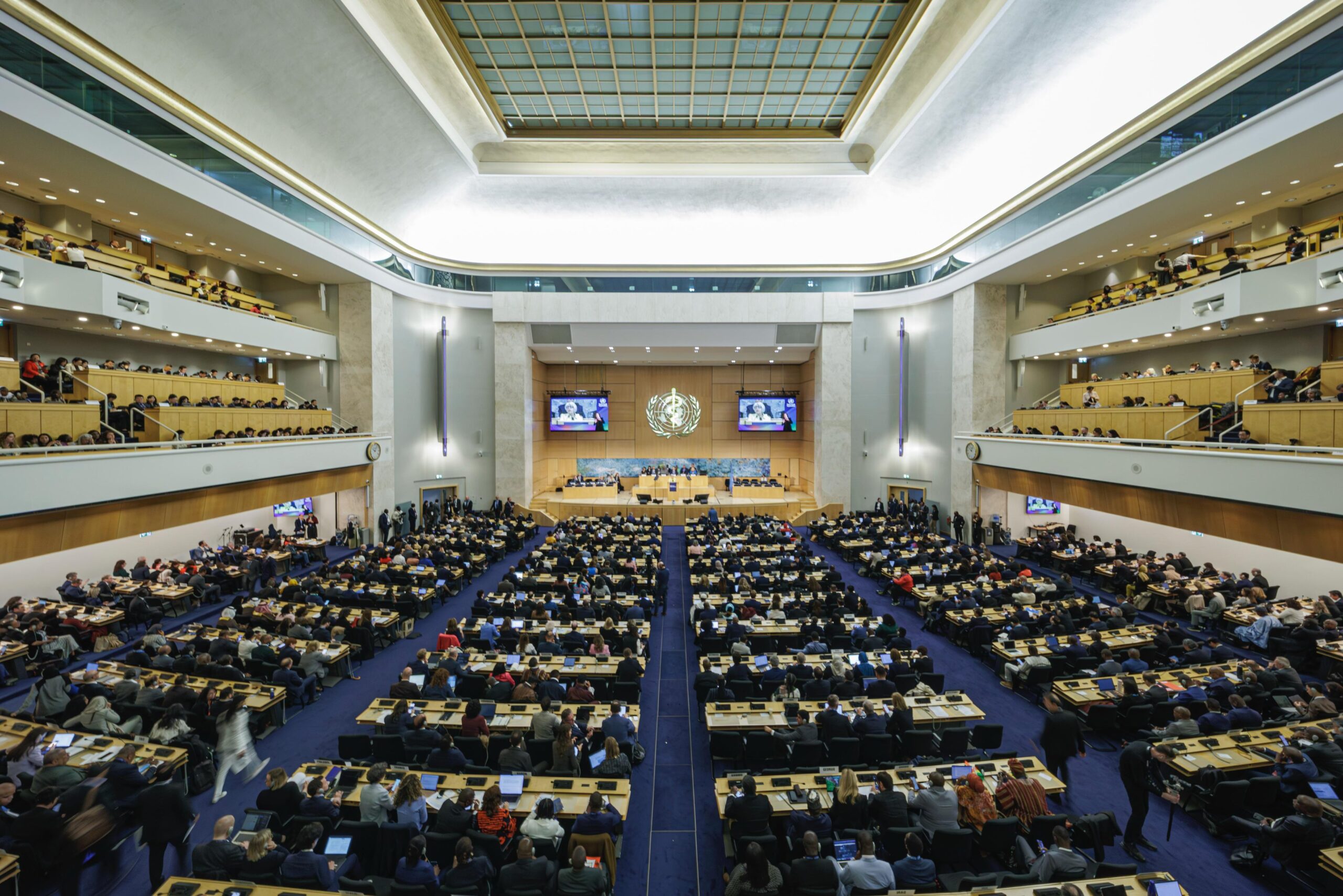
Amid sluggish governmental follow-through, civil society organizations have stepped in to bridge the accountability gap. During the World Health Assembly in Geneva, the Health Diplomacy Alliance launched the "Check the Box" initiative, a tracking framework designed to monitor country-level compliance with recommendations issued by the Quadripartite—comprising the WHO, FAO, UNEP, and WOAH.
"Check the Box is not about naming and shaming," Urbaez explained during the launch event. "The aim is to link the dots between promise and delivery so governments and partners can identify what is missing and act."

Experts point out that transforming national action plans requires sweeping changes across multiple operational layers. Ntuli Angyelile Kapologwe, Director General of the East Central and Southern Africa Health Community, stressed that laboratories, pathogen surveillance networks, and sanitation infrastructure require sustained, predictable capital investments that far exceed the rhetoric often displayed at international summits. Silvia Bertagnolio of the WHO added that true implementation demands tangible shifts in procurement policies, clinical prescribing habits, workforce training, and supply chain management.
Institutional Hurdles and UN Budget Constraints
Compounding the implementation crisis are broader macroeconomic pressures affecting international institutions. Global health funding cuts have severely impacted the WHO’s dedicated AMR department. According to organizational insiders, the once robust department has been significantly scaled back, operating with a lean unit of roughly 13 personnel and lacking a permanent director.
These leadership and structural questions coincide with broader shifts in global health diplomacy, leaving multilateral institutions with reduced capacity to provide technical assistance to low- and middle-income countries struggling to execute their national strategies. Nevertheless, policy progress has not ground to a complete halt; in May, the World Health Assembly formally adopted the Global Action Plan on AMR (2026–2036) after overcoming prolonged diplomatic debates surrounding technology transfer.
Broadening the Scope: Prevention, Vaccines, and Public Education
As the medical community grapples with the dwindling efficacy of traditional antibiotics, experts argue that the global strategy must expand beyond stewardship and hygiene to include aggressive prevention methodologies.
A policy brief published in October by the BEAM Alliance—an innovation hub representing European biotech enterprises—highlighted persistent clinical misuse, noting that approximately 83% of adults presenting with viral respiratory infections are still inappropriately prescribed antibiotics, despite viral pathogens being completely unresponsive to antibacterial drugs.
Christian Terreaux, Public Affairs Director at OM Pharma and a representative of the BEAM Alliance, argues that AMR policy must incorporate a wider array of preventative tools. Beyond standard sanitation and vaccination campaigns, Terreaux advocates for increased investment in immunotherapies and prophylactic treatments designed to prevent recurrent infections before they require antibiotic intervention. Citing European health economic data suggesting that every €1 invested in preventive health yields approximately €3 in economic returns, proponents of this approach argue that shifting resources toward immune-boosting strategies and novel preventative R&D is both a clinical and an economic necessity.
Looking Toward Abuja
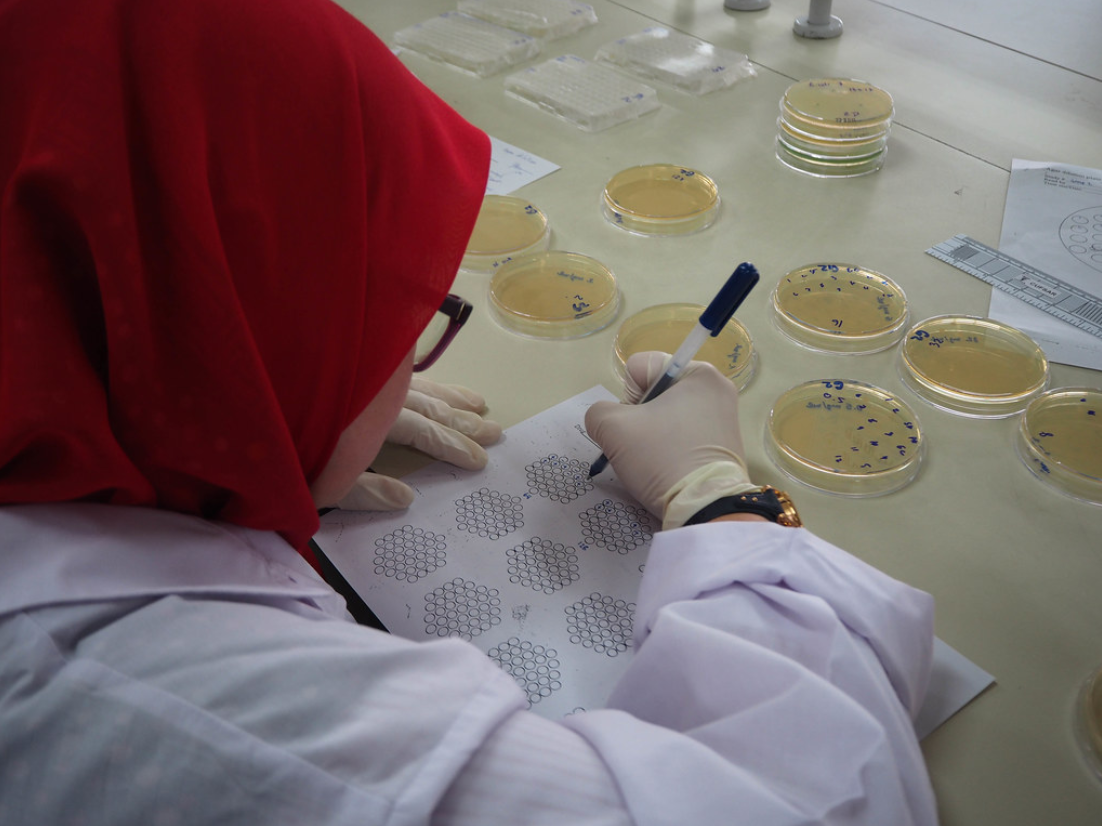
As policymakers, scientists, and civil society leaders converge on Abuja this December, the primary objective will be bridging the chasm between high-level diplomatic consensus and localized fiscal reality. Without immediate funding, robust cross-sectoral surveillance, and binding national accountability mechanisms, the ambitious goals of the 2024 UN High-Level Declaration risk remaining unfulfilled promises—leaving the world increasingly vulnerable to the escalating threat of antimicrobial resistance.