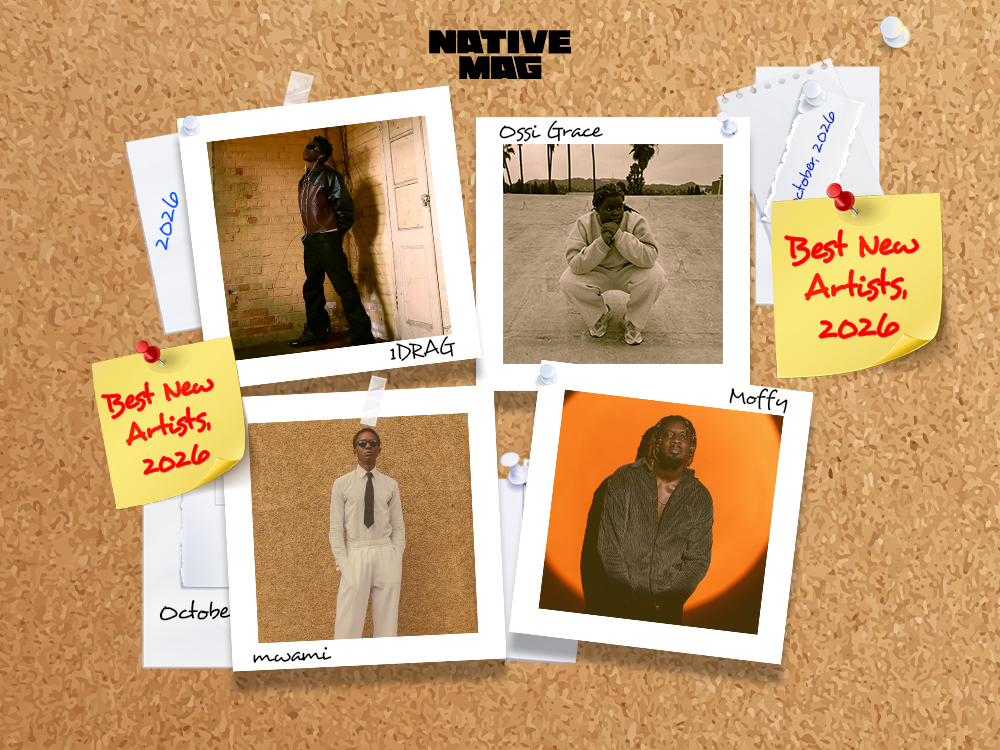
The contemporary music industry is frequently characterized by the dominance of global mainstream giants, a landscape where algorithmic curation and high-budget production often obscure the authentic creative currents flowing beneath the surface. For years, the uNder column has functioned as a critical infrastructure for the discovery of niche artists, providing a platform for voices that challenge the status quo. In an era where artificial intelligence increasingly permeates the music-creation process, there remains a profound, industry-wide imperative to platform artists whose work remains tethered to the complexities of the human experience. The October 2026 cohort—comprising Moffy, Ossi Grace, mwami, and 1DRAG—represents a cross-continental collective that is not merely participating in the current musical dialogue but actively expanding the parameters of African and diasporic soundscapes.
The Evolution of the Underground: A Contextual Overview
The rise of independent music from the African continent has seen a significant acceleration over the past decade, fueled by the democratization of production technology and the global expansion of digital streaming platforms. According to industry reports from 2025, consumption of alternative African genres—spanning soul-infused R&B, experimental jazz, and electronic fusions—has grown by over 22% year-over-year. This surge is not merely a quantitative increase; it represents a qualitative shift in how artists from Accra, Lagos, and Kampala are positioning themselves within the global market. By merging localized cultural markers with international genre-fluidity, these artists are creating a new "alternative" category that refuses to be constrained by traditional Afrobeats or Highlife labels.
Moffy: Bridging the Ghanaian Alternative Pulse
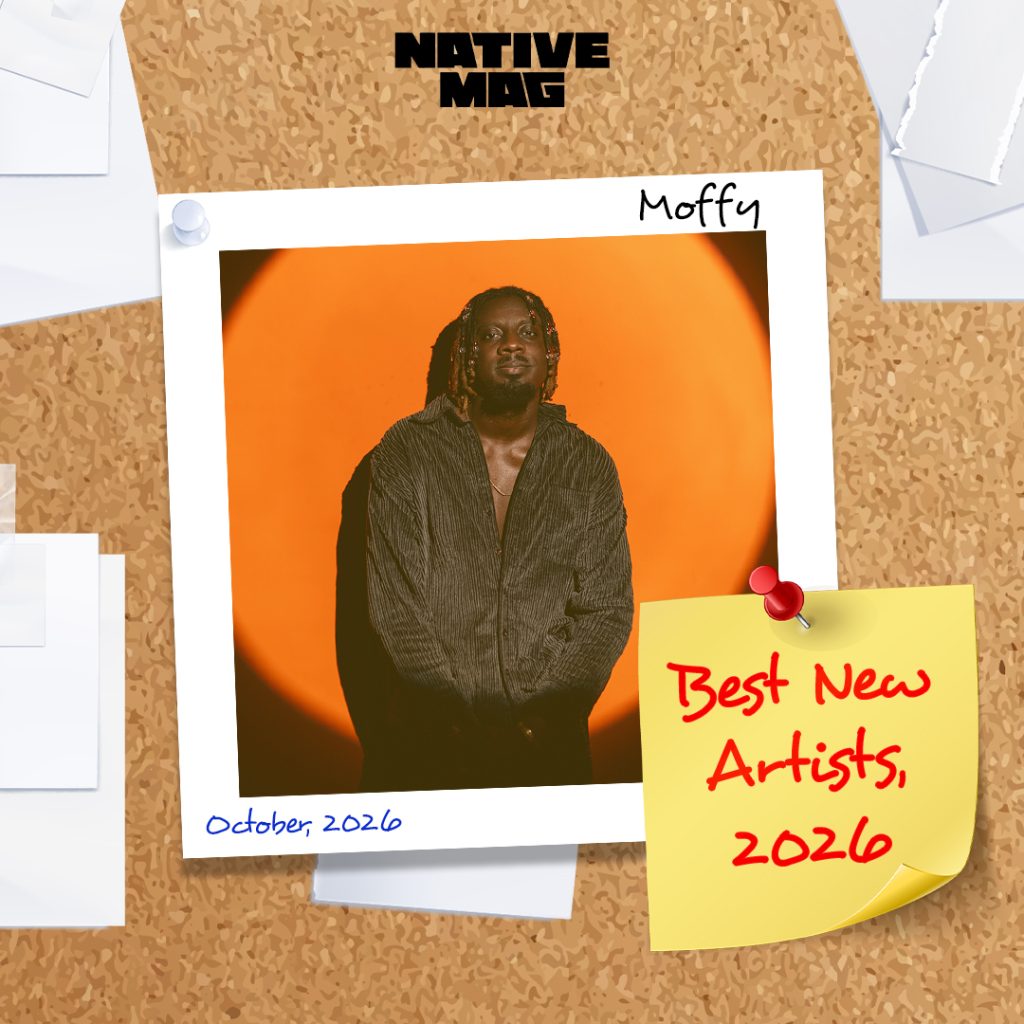
Hailing from Accra, Moffy has emerged as a central figure in the city’s thriving creative renaissance. A foundational member of the 99 PHACES collective, Moffy’s career trajectory serves as a blueprint for modern independent success, characterized by strategic collaborative projects and a consistent exploration of genre-blending.
His artistic evolution, which began in earnest with the 2022 release "Slide," reflects a transition from Afropop experimentation to a more nuanced, soul-inflected sound. The chronology of his output demonstrates a deliberate movement toward maturity:
- 2022: Initial exploration of affection and personal growth through "Slide" and "Sweet Feeling."
- 2023: Deepening of experimental tendencies with "Patience," focusing on the intersection of romantic dynamics and rhythmic minimalism.
- 2024-2026: A shift toward broader, collaborative high-fidelity production, seen in the balmy, collaborative "Care For Me" and the highlife-leaning "STAY."
Moffy’s ability to weave Bebop and Jazz sensibilities into contemporary R&B underscores a forward-thinking approach to production. His recent work with Darkua on "COMPANY" and Marince Omario on "STAY" highlights his capacity to serve as a conduit for a broader community of Ghanaian creatives, cementing his status as an anchor in the Accra scene.
Ossi Grace: Personal Storytelling and the Lagos Soundscape
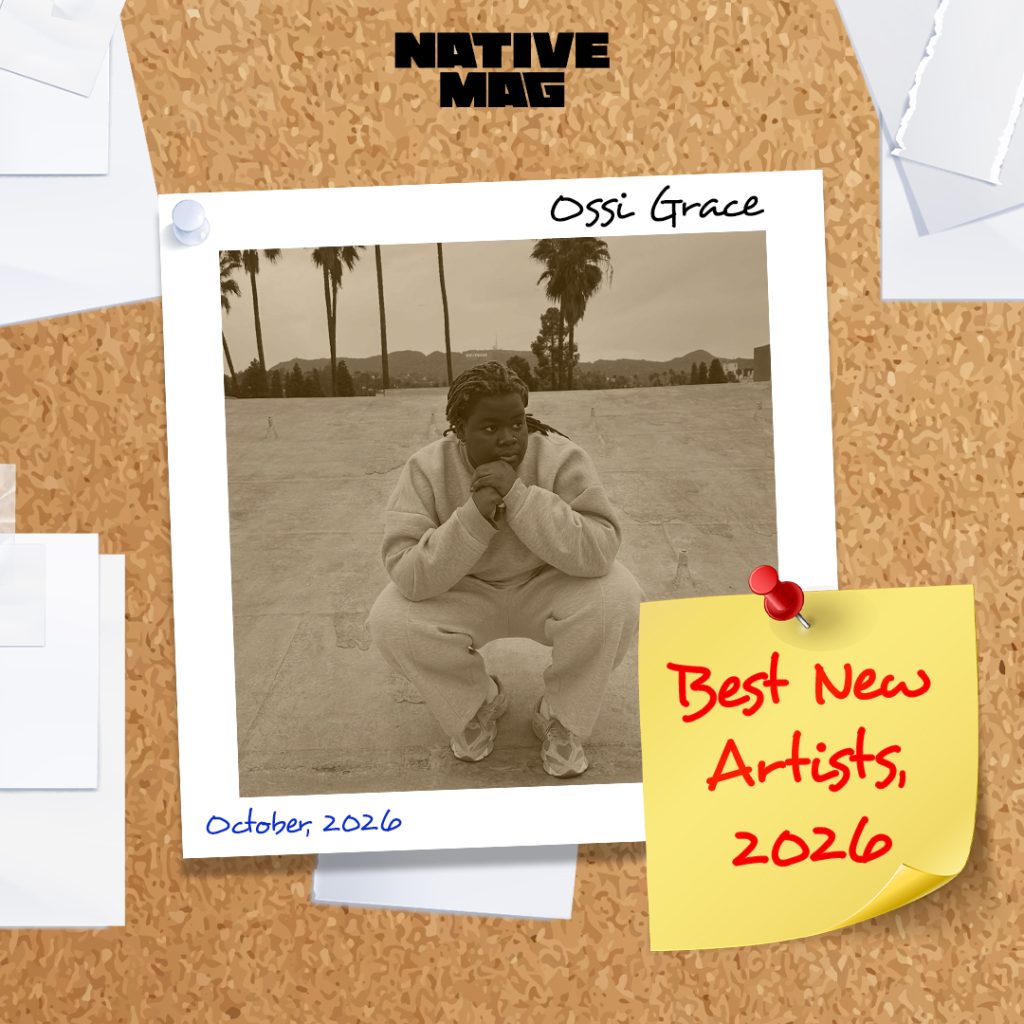
Ossi Grace’s journey from behind-the-scenes songwriting to a front-facing solo career offers a compelling case study on the importance of artistic timing. Initially gaining recognition through her contribution to M.I. Abaga’s 2022 album The Guy, Grace spent the subsequent years refining a sound that synthesizes Soul, R&B, and lo-fi alternative aesthetics.
The release of her 11-track debut EP, In A Hopeless Place, in October 2025 served as a critical inflection point. The project was not merely a collection of songs but a thematic exploration of life in Lagos, balancing the necessity of finding joy within a demanding environment. Her work is characterized by a "blue-toned" introspection, utilizing subdued guitars and elastic rhythms to anchor her narrative-heavy songwriting.
Industry analysts have noted that Grace’s inclusion in the Apple Music Africa Rising program and her recognition in Record of the Day’s Ones To Watch 2026 indicate a growing institutional interest in songwriters who prioritize raw, emotive, and autobiographical narratives over mass-market trends. Her recent collaboration on the UK garage-influenced "Halo’s Fade" with DC further demonstrates her versatility, proving that her core sound—deep, expressive, and rooted in the traditions of Tracy Chapman and Sade—is highly adaptable to international cross-genre projects.
mwami: The Architecture of East African Avant-Garde
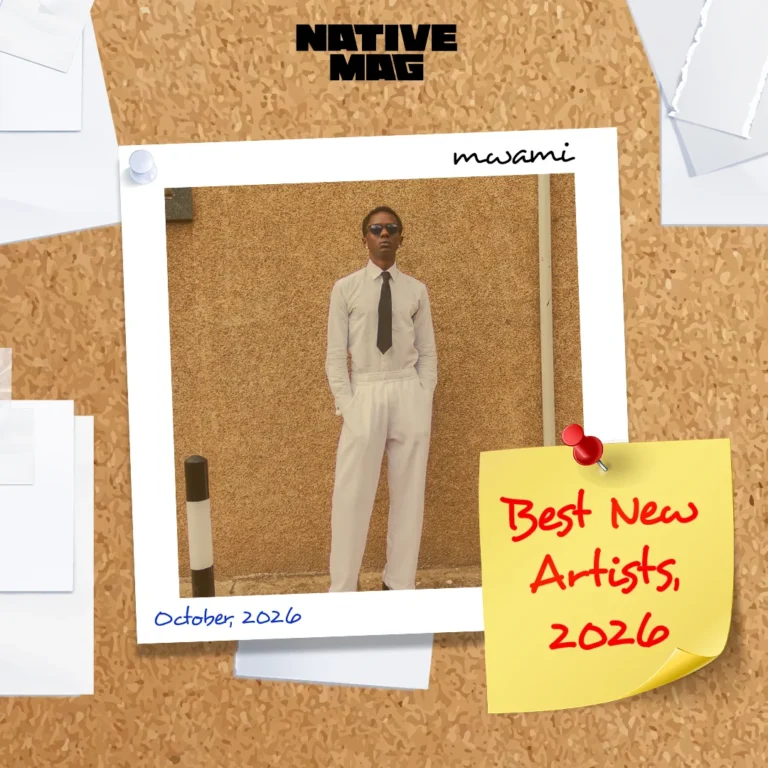
Ugandan artist mwami represents a paradigm shift in how artists approach the concept of "world-building." Their work exists at the intersection of music, visual art, and film, a multidisciplinary approach that has garnered significant attention since the release of their 2019 EP protean.
mwami’s work is marked by a distinctive lack of genre adherence. Whether maneuvering through alternative rap or hypnotic Afro-electro, their output is consistently characterized by an expansive musical vocabulary. This depth is likely informed by their background; raised in a family deeply embedded in the Kampala media landscape, mwami grew up with a dual appreciation for 90s classicism and modern hip-hop sensibilities.
Their contribution to the East African underground is best exemplified by the 2024 collaborative EP EA OPEN. This project was not solely a musical endeavor but a strategic attempt to map the connections between disparate creative entities across East Africa. By acting as a curator as much as a performer, mwami has positioned themselves as a vital force in the region’s creative surge. Their philosophy—that music is merely the starting point for a broader creative universe—aligns with a global movement of artists who are moving away from the "single-track" model toward a more holistic, experience-based presentation of their art.

1DRAG: Eccentricity and the Future of Afropop
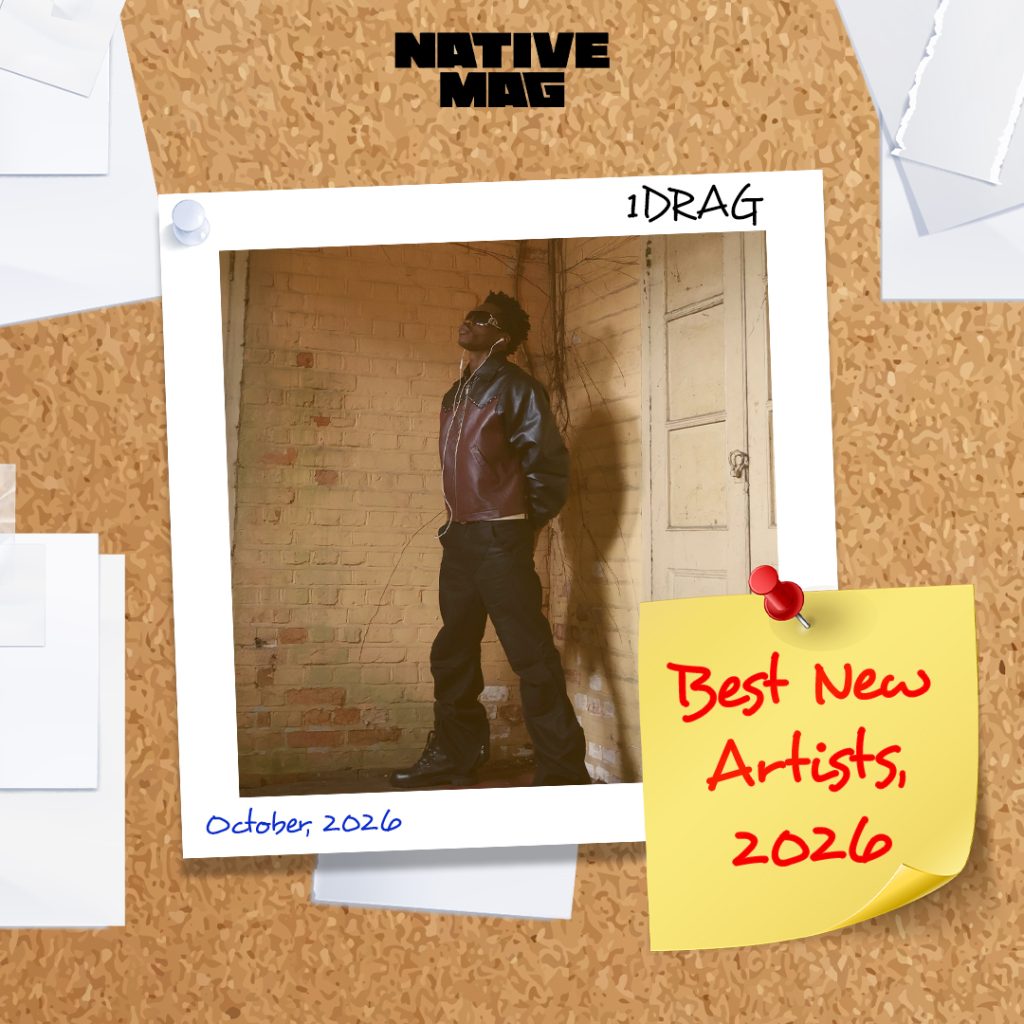
Lagos-based artist 1DRAG is currently challenging conventional rhythm structures within the Afropop sphere. His approach—which he describes as "gbedunacho"—relies on unconventional flows and the integration of skeletal, percussive beats. Since his late 2025 debut, "Camera Roll," he has maintained a high frequency of output, utilizing a series of singles and the two-pack EP 1dragnot2 to establish a recognizable sonic signature.
1DRAG’s technical proficiency is most evident in his ability to resolve offbeat cadences within a track’s rhythm. In "Sit Down," produced by Yxrrboyy, the listener witnesses a masterclass in tension and release; the vocal flow initially appears misaligned with the beat, only to resolve into a synchronized groove as the track progresses. This "eccentric" style has made him a subject of interest for those tracking the next evolution of Nigerian music.
The recent release of "Dearly," featuring pa1n, suggests that 1DRAG is beginning to integrate his style into broader, more collaborative contexts. As his catalogue expands, the industry will be watching to see if this unconventional approach can achieve wider commercial viability without sacrificing the raw, experimental energy that currently defines his work.
Broader Implications and Industry Outlook
The emergence of these four artists in October 2026 points to a larger, decentralized shift in African music. The traditional "gatekeeper" model, which previously required artists to conform to strict genre expectations to receive funding or distribution, is being bypassed by a new generation that leverages digital autonomy to build self-sustaining ecosystems.
Several factors are driving this change:
- Technological Accessibility: The reduced cost of professional-grade recording and editing software has allowed artists like mwami and 1DRAG to maintain complete creative control over their visual and sonic output.
- Collaborative Infrastructure: The success of collectives like 99 PHACES suggests that communal support systems are replacing the traditional label-reliant model as the primary vehicle for artistic growth.
- Global Niche Consumption: Streaming data suggests that international listeners are increasingly seeking out "authentic" alternatives to globalized pop, favoring the localized, specific, and often moody narratives offered by artists like Ossi Grace.
The implications for the music industry are significant. As these artists move from the "underground" into broader public consciousness, they bring with them a new set of values that prioritize artistic agency, interdisciplinary collaboration, and a rejection of standard, AI-generated, or algorithmically optimized production. The success of the October cohort demonstrates that the appetite for music that is distinctly human, flawed, and deeply personal remains higher than ever. As we look toward the final quarter of 2026 and into 2027, these four acts serve as a barometer for a thriving, diverse, and resilient creative future.