The seventh round of intensive negotiations regarding the World Health Organization’s (WHO) Pandemic Agreement concluded on Friday, leaving the international community at a critical crossroads. At the heart of the deadlock are two fundamentally different visions for the Pathogen Access and Benefit-Sharing (PABS) system—a mechanism designed to ensure that the world is better prepared for the next global health emergency. While the week-long session saw a narrowing of some conceptual gaps, the emergence of two distinct architectural models for the system highlights the deep-seated divisions between the Global South, led by the Africa Plus Group, and developed nations, spearheaded by the European Union.
The PABS system is widely regarded as the most contentious and significant remaining component of the Pandemic Agreement. It aims to establish a legal framework for how dangerous pathogens—including their physical samples and genetic data—are shared across borders during health crises. More importantly, it seeks to codify how the "benefits" derived from this information, such as vaccines, diagnostics, and therapeutics, are distributed equitably among nations. The failure to reach a consensus on this issue during the height of the COVID-19 pandemic led to what many observers termed "vaccine apartheid," a scenario the current negotiations are desperate to avoid repeating.
The Federated Model: Africa’s Push for Sovereignty and Traceability
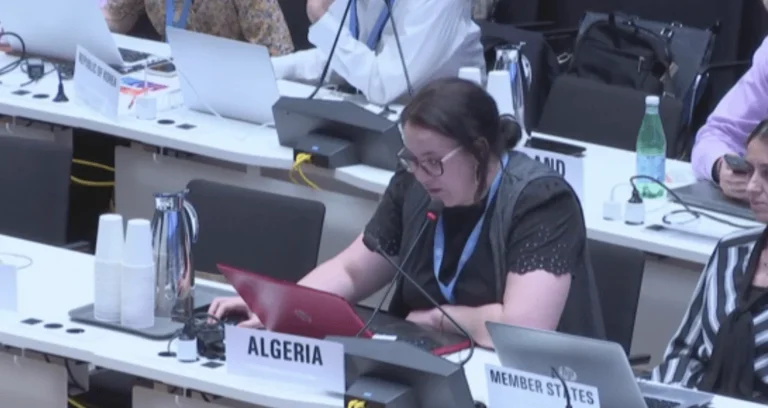
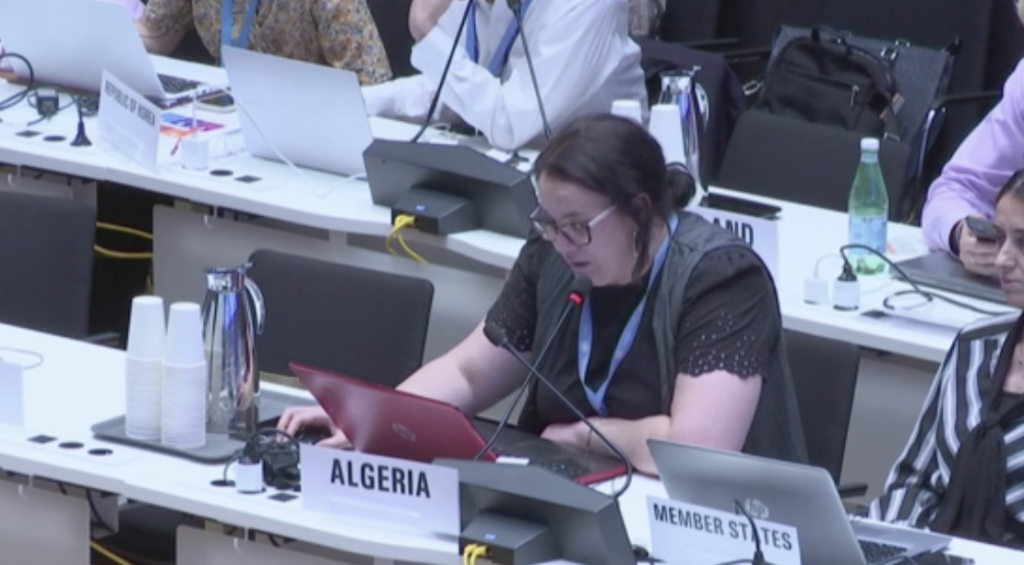
Algeria, representing the Africa Plus Group—a coalition including the WHO Africa region, Egypt, Somalia, and Sudan—presented a robust "federated" model. This proposal is built upon the principle of national and regional sovereignty. According to the Algerian delegation, the federated architecture would consist of interconnected national and regional nodes, managed through a WHO-hosted metadata index. This index would utilize unique, persistent identifiers to ensure "end-to-end traceability" of both biological materials and pathogen sequence information (PSI).
The primary objective of the federated model is to ensure that any entity accessing pathogen data is held accountable. Under this system, access to information would be strictly conditioned upon binding benefit-sharing commitments made at the point of use. A central tenet of the African proposal is the "parity" between physical materials and digital sequence information (DSI). In recent years, advancements in biotechnology have allowed scientists to develop medical countermeasures using only the digital code of a virus, without ever touching a physical sample. The Africa Plus Group argues that if DSI is not treated with the same legal weight as physical samples, the benefit-sharing mechanism could be easily bypassed by wealthy nations and pharmaceutical giants.

Algeria’s representative emphasized that the federated model is designed to prevent the "status quo that failed during COVID." By maintaining control at national and regional levels, developing nations hope to secure fair, equitable, and predictable benefits. This includes not only finished products like vaccines but also the transfer of technology and the strengthening of national laboratories through the WHO-Coordinated Laboratory Network (WCLN).
The Hybrid Model: The European Union’s Flexible Approach
In contrast, the European Union and its allies among developed nations have championed a "hybrid" model. This proposal, which has been under discussion in various forms for several months, suggests a more flexible mix of mandatory and voluntary measures. The hybrid model envisages a global PABS system overseen by the WHO, working in tandem with the WCLN, but it also allows for parallel national processes.
Under the EU’s vision, countries could share pathogen materials with external laboratories and research groups outside the formal PABS framework, based on "mutually agreed terms." Critics of this model, including several delegations from the Global South, argue that such parallel channels could dilute the mandatory nature of benefit-sharing. They fear it creates "loopholes" that allow manufacturers to access vital data without being legally bound to provide a percentage of their production to the WHO for global distribution.
The EU maintains that a hybrid approach is necessary to foster innovation. Developed nations argue that overly rigid "conditionalities" on data access could slow down the scientific research required to develop life-saving treatments during a fast-moving pandemic. The tension remains between the need for rapid, open scientific sharing and the ethical requirement for a guaranteed return on that "contribution" for the countries where the pathogens originated.
Chronology of the Pandemic Agreement Negotiations
The journey toward a global Pandemic Agreement has been long and fraught with diplomatic challenges. To understand the current impasse, it is essential to look at the timeline of the process:
- May 2021: The World Health Assembly (WHA) first discussed the need for a new international instrument for pandemic preparedness and response, following the systemic failures seen during the early stages of COVID-19.
- December 2021: A rare Special Session of the WHA established the Intergovernmental Negotiating Body (INB) to draft and negotiate the agreement.
- 2022–2023: Multiple rounds of negotiations took place, focusing on issues such as pandemic surveillance, health workforce strengthening, and financing. However, Article 12 (PABS) remained the most difficult "nut to crack."
- May 2024: The 77th World Health Assembly was initially set as the deadline for the final agreement. While significant progress was made on other articles, the PABS system remained unresolved, leading the WHA to extend the mandate of the negotiators for another year.
- July 2026 (Current Session): The seventh round of the Intergovernmental Working Group (IGWG) concluded with the formal tabling of the Federated and Hybrid models, marking the most detailed structural debate to date.
- September 2026: The next round of talks is scheduled, with the ambitious goal of finalizing the PABS annex before the end of the calendar year.
Official Responses and the "Two Halves of One Promise"
Despite the clear divergence in models, WHO Director-General Dr. Tedros Adhanom Ghebreyesus offered a cautiously optimistic assessment at the close of the session. He noted a psychological shift among the negotiators. "At the start of the week, access and benefit-sharing started feeling like two sides of an argument," Tedros remarked. "By the end of the week, more of us now start to see them again as two halves of one promise."
Tedros acknowledged that "real gaps remain" and that the technicalities of the two models are not yet reconciled in the draft text. However, he encouraged member states to remain committed to the goal of finalizing the annex this year, citing that many members believe a resolution is within reach.
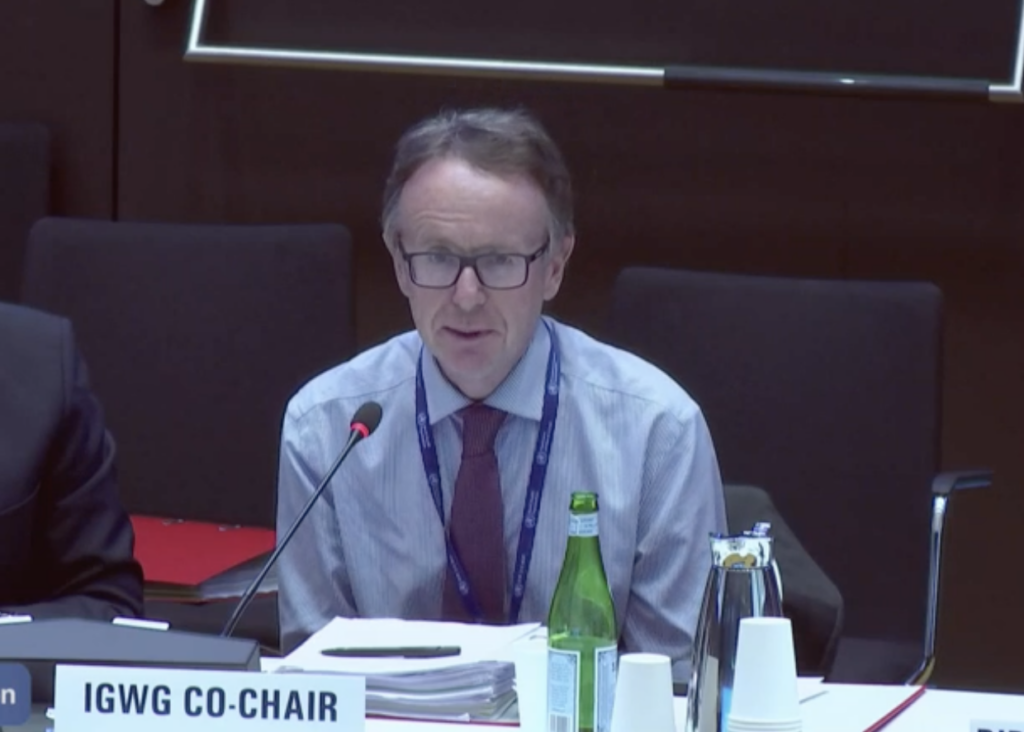
The session also marked a poignant moment of transition in leadership. Several key figures who have been instrumental in the process since its inception are stepping down. Matthew Harpur of the United Kingdom chaired his final IGWG meeting, while vice-chairs Madeleine Heywood of Australia and Dr. Hanan Al Kuwari of Qatar also announced their departures.
In a moving address, Madeleine Heywood reflected on the duration of the talks, noting that her child was an infant when the process began and is now over five years old. She urged the remaining negotiators to maintain a spirit of empathy and active listening. "When we have breakthroughs, it’s because we understand each other," Heywood said, calling on delegates to constantly ask themselves what more they can do to find common ground.
Broader Implications and the Path Forward
The stakes of these negotiations extend far beyond the walls of the WHO headquarters in Geneva. The final design of the PABS system will determine how the world responds to the next "Disease X." If the Federated model’s focus on traceability and binding contracts prevails, it could represent a landmark shift in global health law, treating biological data as a sovereign resource rather than a global public good that can be exploited without compensation.
Conversely, if the Hybrid model is adopted, the focus will likely remain on maintaining the speed of the global research engine, with the hope that voluntary commitments and a centralized WHO pool will be sufficient to address equity.
The Africa Plus Group has signaled that it will not accept a deal that "perpetuates the status quo." Their demand for "fair, equitable, predictable, and tangible benefits" is backed by the hard-learned lessons of 2020–2022, when many African nations were forced to wait months for vaccines that were already being administered as boosters in wealthier countries.
Furthermore, the issue of intellectual property (IP) continues to loom over the talks. Algeria called for further work on ensuring that benefit-sharing obligations cannot be circumvented through "downstream innovation" or derivatives. This suggests that the final agreement may need to address how IP rights interact with the PABS system—a topic that has historically been a red line for many developed nations with large pharmaceutical sectors.
As the negotiators prepare for the eighth round in September, the pressure to deliver is mounting. The departure of veteran leaders like Harpur and Heywood adds a layer of uncertainty to the process, but it also offers an opportunity for fresh perspectives to bridge the divide between the "Federated" and "Hybrid" visions. The world remains watchful, hoping that the "two halves of one promise" can finally be joined into a single, functional reality.