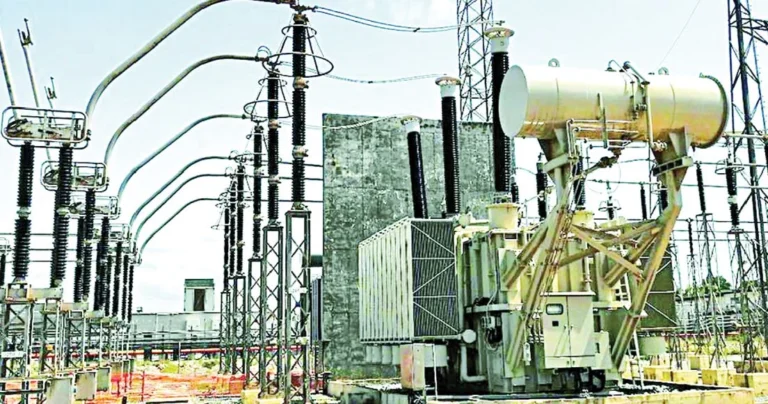
Nigeria’s power infrastructure faced yet another severe test of stability on Friday as a rapid succession of transmission line failures triggered substantial load losses across the country, most notably impacting commercial hubs in Lagos. The incident, which unfolded over a compressed 16-minute window, once again brought the fragility of the nation’s power transmission architecture into sharp focus, sparking widespread concern among residential consumers, manufacturing enterprises, and small businesses alike.
The Nigerian Independent System Operator (NISO) moved swiftly to contain the narrative surrounding the disturbance, issuing an official statement to refute mounting fears that the country had suffered yet another total system collapse. According to NISO, the operational anomaly was strictly localized to the tripping of four critical high-voltage transmission lines rather than a catastrophic, grid-wide failure. While the distinction is technically significant within power systems engineering, the practical reality for consumers on the ground remained stark: sudden power cuts, diminished industrial output, and a renewed interrogation of the reliability underpinning Nigeria’s electricity value chain.
Chronology of the Disruption
The sequence of events on Friday commenced during the afternoon peak operational hours, catching grid monitors and electricity distribution networks off guard. Based on operational data released by NISO, the timeline of the trippings unfolded as follows:
- 12:34 PM: The Omotosho-Ikeja West transmission line tripped unexpectedly. This initial failure immediately sent shockwaves through the southern power corridor, resulting in a severe and immediate load drop within the vital Lagos Complex, an area housing numerous industrial clusters and millions of electricity consumers.
- 12:50 PM: Exactly 16 minutes after the first failure, the situation deteriorated further as three additional major transmission lines tripped simultaneously. These included the Ihovbor-Oshogbo transmission line, the Benin-Egbin transmission line, and the Ihovbor-Ajaokuta transmission line.
- 12:50 PM to 2:49 PM: Immediate emergency protocols were activated by NISO operational teams working in tandem with the Transmission Company of Nigeria (TCN). Engineers raced against time to isolate faults, reconfigure network paths, and safely re-energize the impacted corridors.
- 2:49 PM: NISO officially confirmed that all four affected transmission lines had been successfully restored, bringing the total duration of the disruption to approximately two hours and 15 minutes from the initial fault.
Despite the relatively rapid restoration time, the cascading nature of the trippings demonstrated how vulnerable the national grid remains to localized technical shocks, where the failure of a single line can precipitate broader network instability if protective relays and load-shedding mechanisms fail to buffer the impact.
Anatomy of the Grid Disturbance: Technical Insights
To understand the severity of Friday’s event, it is necessary to examine the architecture of Nigeria’s transmission network. The grid relies heavily on a delicate balance between electricity generation from thermal and hydroelectric stations, high-voltage transmission backbones (primarily 330-kilovolt and 132-kilovolt lines), and distribution networks managed by various Distribution Companies (DisCos).
When high-capacity transmission lines such as the Benin-Egbin or Omotosho-Ikeja West corridors trip, the electricity generated at power plants cannot effectively find a path to load centers. This creates a dangerous imbalance between supply and demand. If generation drastically exceeds transmission capacity without immediate mitigation, frequency fluctuations occur, threatening to damage expensive generation turbines and step-down transformers.
NISO’s intervention prevented this imbalance from spiraling into a full blackout, which would have required days of painstaking, black-start restoration procedures. However, the recurring nature of these line trips points to systemic vulnerabilities, ranging from aging infrastructure and right-of-way encroachments to vegetation interference and inadequate real-time monitoring equipment.
Contextualizing the Crisis: A Pattern of Instability
Friday’s incident does not occur in a vacuum; rather, it represents the latest chapter in a protracted series of power supply instabilities that have plagued Nigeria over recent months and years. The country’s electricity grid has long struggled with structural deficits that compromise its resilience.
Just months prior, on October 19, the electricity sector experienced a dramatic plunge in generation, where output plummeted from a modest 3,840 megawatts down to a meager 477 megawatts following multiple consecutive trippings across the 330-kilovolt network. Similarly, NISO maintained that October event was a network disturbance rather than a total collapse, yet the practical outcome for consumers was identical: hours or days of total darkness, economic stagnation, and financial losses.
Compounding these transmission-related challenges are persistent fuel-supply bottlenecks. In early November, the power sector suffered severe constraints caused by a sharp decline in gas supplies to thermal power stations, alongside diminished water inflows into major reservoirs that crippled hydroelectric output. Incidents like the November 5 dip—where generation snapshots hovered dangerously near the 449-megawatt threshold—highlighted how heavily the grid relies on external variables over which power operators have limited direct control.
The Ministry of Power has repeatedly identified key regions—including Lagos, Abuja, Ogun, Kwara, and Oyo—as perpetual hotspots heavily affected by these intertwined generation and transmission deficits.
Official Position and Reassurances from NISO
In its official communication, NISO management sought to calm public apprehension by clearly delineating between a system collapse and a transmission line disturbance.
"The Nigerian Independent System Operator wishes to clarify that the grid disturbance experienced earlier today was not a system collapse, but a result of the tripping of some transmission lines, which caused load losses in parts of the country," the management stated.
The operator emphasized that the prompt deployment of emergency response measures averted a deeper crisis. By 2:49 PM, technical teams had verified the integrity of the affected infrastructure, allowing power transmission to resume safely. NISO reiterated its unwavering commitment to maintaining grid stability, optimizing wheeling capacity, and coordinating closely with generation and distribution stakeholders to fortify the network against future shocks.
Broader Implications for the Economy and Society
The frequent disruptions in Nigeria’s power sector carry profound socioeconomic consequences. For an economy striving for industrialization and sustainable growth, a reliable electricity supply is non-negotiable.
- Industrial and Commercial Impact: Manufacturing plants, telecommunications firms, and small- and medium-sized enterprises (SMEs) bear the heaviest burden during grid disturbances. Sudden power cuts damage sensitive industrial machinery, disrupt production lines, and force businesses to rely heavily on expensive fossil-fuel generators. This reliance inflates operational expenditures, drives up the cost of locally manufactured goods, and diminishes global competitiveness.
- Consumer and Household Realities: For residential consumers, erratic power supply translates into heightened frustration, increased spending on alternative energy sources such as petrol, diesel, and solar installations, and disruptions in daily household management.
- Investor Confidence: The ongoing volatility in the power sector presents a formidable barrier to attracting long-term foreign and domestic direct investment into the energy value chain. Prospective investors in power generation and distribution require regulatory certainty and infrastructure reliability to ensure adequate return on capital.
Moving Forward: The Path to Long-Term Grid Resilience
As Nigeria continues to grapple with the complexities of power sector privatization and infrastructure modernization, Friday’s event serves as a stark reminder that technical resilience must remain a top national priority.
Industry experts and energy analysts have consistently emphasized several critical interventions required to permanently safeguard the national grid:
- Infrastructure Upgrade and Expansion: Accelerating investments in the replacement of aging transmission lines, transformers, and switchgear to minimize spontaneous faults.
- Smart Grid Integration: Deploying advanced automation, real-time monitoring systems, and digital protective relays to isolate localized faults instantly without triggering widespread load shedding.
- Gas-Power Synergy: Ensuring foolproof, long-term gas supply agreements and pipeline security to shield thermal power plants from feedstock interruptions.
- Comprehensive Security Measures: Protecting transmission infrastructure from vandalism, theft, and right-of-way encroachments that frequently compromise grid integrity.
While NISO’s rapid response on Friday successfully averted a catastrophic nationwide blackout, the underlying vulnerabilities of Nigeria’s power network remain exposed. Sustainable economic development will ultimately depend on transforming the electricity grid from a fragile system prone to frequent shocks into a robust, modern, and reliable infrastructure capable of powering the nation’s vast potential.