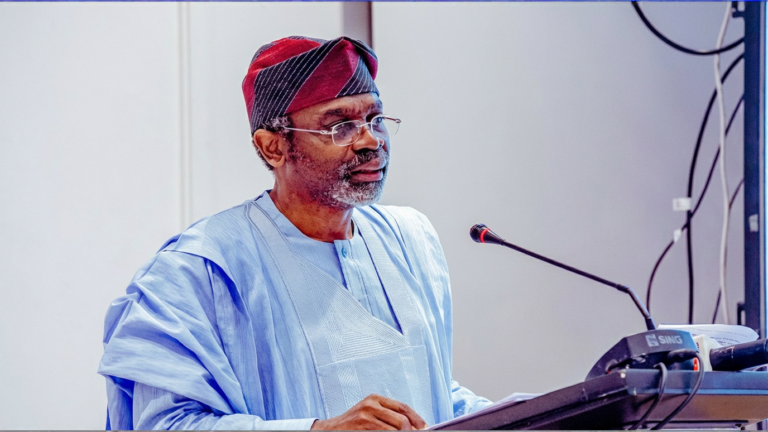
The Independent Corrupt Practices and Other Related Offences Commission (ICPC) has categorically dismissed reports alleging the arrest of the Chief of Staff to the President, Femi Gbajabiamila, in connection with the Presidential Foreign Investment Promotion Council (PFIPC) scandal. In a detailed statement released on Tuesday, the anti-graft agency clarified that Gbajabiamila voluntarily honoured an invitation from investigators, emphasizing his full cooperation in the ongoing probe. This clarification comes in response to widespread media speculation following Gbajabiamila’s visit to the ICPC headquarters in Abuja on Monday.
The ICPC’s statement, disseminated via its official Facebook page, aimed to provide an accurate account of the events, stating, “The Commission confirms that the Chief of Staff’s visit was on the invitation of its investigators and consistent with its ongoing efforts to gather all relevant facts in the matter. He was not arrested; he simply willingly honoured an invitation.” This assertion directly refutes claims of detention and underscores the collaborative nature of Gbajabiamila’s engagement with the commission.
Background of the PFIPC Scandal
The controversy surrounding the Presidential Foreign Investment Promotion Council (PFIPC) has cast a shadow over several government institutions. The scandal erupted following revelations that an entity purporting to be the PFIPC had allegedly operated for an extended period, seemingly under the guise of official presidential backing, without legitimate authorization. President Bola Tinubu, upon becoming aware of these alleged irregularities, swiftly mandated the ICPC to conduct a thorough investigation into the operations and legitimacy of the PFIPC. The directive specifically targeted the alleged operation of the council from the Federal Secretariat in Abuja for approximately two years, under the purported leadership of Adeniyi Adeyemi, who presented himself as the council’s Director-General.
The ICPC’s investigation is focused on unraveling how such a phantom organization could have secured office space, budgetary allocations, and other official documentation, thereby potentially defrauding the government and the public. The involvement of multiple government agencies, including the Central Bank of Nigeria (CBN) and the Office of the Accountant-General of the Federation, highlights the intricate web of operations that the investigation seeks to untangle.
Chronology of Events
The unfolding PFIPC scandal and its related investigations can be traced through a series of key events:
- Early 2024 (Approximate): The purported Presidential Foreign Investment Promotion Council (PFIPC) begins operating, allegedly from the Federal Secretariat in Abuja. Adeniyi Adeyemi reportedly assumes the role of its Director-General.
- Mid-2024: Whispers and concerns begin to emerge regarding the legitimacy and operational scope of the PFIPC.
- Late 2024 – Early 2025: President Bola Tinubu receives intelligence or reports prompting him to initiate a formal inquiry into the PFIPC.
- July 29, 2025: The Office of the Accountant-General of the Federation issues a mandate to the Central Bank of Nigeria (CBN) authorizing the opening of two foreign-currency domiciliary accounts for the "Presidential Economic Advisory Council/Presidential Foreign Investment Promotion Council."
- July 30, 2025: The CBN receives this mandate and proceeds with the account opening process.
- Early 2026: The full extent of the alleged fraudulent operations of the PFIPC comes to light, prompting a significant governmental response.
- July 20, 2026: Femi Gbajabiamila, Chief of Staff to the President, visits the ICPC headquarters in Abuja to provide a statement as part of the ongoing investigation. Reports suggesting his arrest are subsequently denied by the ICPC.
- July 20, 2026 (Same Day): A public hearing is convened at the National Assembly Complex by the House of Representatives’ Ad-hoc Committee investigating the matter. Officials from various government agencies, including the CBN, appear to provide testimony.
ICPC’s Investigation and Gbajabiamila’s Cooperation
According to the ICPC statement, Femi Gbajabiamila arrived at the commission’s headquarters on Monday afternoon, where he engaged with investigators, responded to their inquiries, and provided his statement before departing. The ICPC explicitly stated that Gbajabiamila’s visit was a voluntary act, undertaken in response to an official invitation aimed at gathering crucial information for the investigation. This underscores the commitment of the presidency to transparency and accountability in addressing the PFIPC issue.

The ICPC further assured the public that its investigation into the alleged fake agency is ongoing and that further updates will be disseminated as the probe progresses. This methodical approach suggests a comprehensive effort to identify all individuals and entities involved in the alleged fraudulent scheme and to ascertain the full extent of any financial or administrative misconduct.
Parliamentary Oversight and CBN’s Admission
Parallel to the ICPC’s investigation, the House of Representatives has also launched its own inquiry into the PFIPC scandal. This legislative oversight aims to scrutinize how a non-existent council could have seemingly infiltrated official government channels. During a public hearing chaired by Yusuf Gagdi and inaugurated by Speaker Tajudeen Abbas, the House’s Ad-hoc Committee received testimony from various government officials.
A significant revelation came from Hamisu Ibrahim, Director of the CBN Banking Services Department. He confirmed that the CBN had indeed opened two foreign-currency domiciliary accounts – one in US dollars and another in British pounds sterling – for the entity presenting itself as the PFIPC. Ibrahim clarified that these accounts were opened following a mandate received on July 30, 2025, dated July 29, 2025, from the Office of the Accountant-General of the Federation.
"On July 30, 2025, we received a mandate dated July 29, 2025 from the Office of the Accountant-General. We received the mandate to authorise two accounts, one a US dollar domiciliary account, the other a pound domiciliary account, for the Presidential Economic Advisory Council/Presidential Foreign Investment Promotion Council," Ibrahim stated to the committee.
He further elaborated on the CBN’s internal verification processes, explaining that account opening procedures necessitate a mandate from the Office of the Accountant-General. Upon receipt, the CBN conducts necessary verifications to confirm the authenticity of the mandate originating from that office. Ibrahim noted that while the accounts were opened, no one subsequently came forward to activate them, suggesting a potential breakdown in the purported organization’s operational plans or an early detection of their fraudulent nature.
Analysis of Implications
The PFIPC scandal and the subsequent investigations have several significant implications:
- Erosion of Public Trust: The emergence of a phantom government agency that potentially defrauded the public or misused official channels can severely damage public trust in governmental institutions. The swift and transparent handling of the investigation by the ICPC and the presidency is crucial for restoring confidence.
- Strengthened Internal Controls: This incident is likely to prompt a review and strengthening of internal control mechanisms within government ministries, departments, and agencies (MDAs). The ease with which a fraudulent entity allegedly obtained official documentation and access suggests loopholes that need immediate rectification. The role of the Office of the Accountant-General and the procedures for issuing mandates for account openings will undoubtedly come under intense scrutiny.
- Accountability and Deterrence: The arrest and prosecution of Adeniyi Adeyemi, along with any other individuals found complicit, will serve as a strong deterrent against future acts of fraud and impersonation within the government. The ICPC’s commitment to thorough investigation and prosecution is vital in this regard.
- Inter-Agency Cooperation: The scandal highlights the need for enhanced inter-agency cooperation and information sharing. The fact that a mandate from the Accountant-General’s office was apparently sufficient for the CBN to open accounts, without further stringent checks related to the ultimate beneficiary or the legitimacy of the originating entity, points to potential communication gaps.
- Presidential Commitment to Good Governance: President Tinubu’s directive to the ICPC demonstrates a clear commitment to fighting corruption and upholding principles of good governance. His proactive stance in ordering an investigation into a matter that could potentially implicate his own office underscores his resolve to ensure accountability across all levels of government.
The ongoing investigations by both the ICPC and the House of Representatives are critical steps in unraveling the complexities of the PFIPC scandal. The full cooperation of individuals like Femi Gbajabiamila, as demonstrated by his voluntary visit to the ICPC, signals a commitment from the highest echelons of government to ensure that all facts are brought to light and that justice prevails. The public awaits further updates as these investigations continue to unfold, with the hope that they will lead to significant reforms and reinforce the integrity of Nigeria’s public institutions. The saga of the Presidential Foreign Investment Promotion Council serves as a stark reminder of the persistent challenges in safeguarding public resources and maintaining ethical standards within governance.