In a move that has ignited significant debate and drawn sharp criticism from environmental and animal welfare advocates, Israel’s Environmental Protection Minister, Idit Silman, has issued a new classification for crocodiles, potentially paving the way for their deployment in security roles, particularly around correctional facilities. This administrative shift directly addresses a controversial proposal put forth by the nation’s far-right National Security Minister, Itamar Ben-Gvir, who in December of the previous year advocated for the use of crocodiles to enhance security at prisons housing Palestinian detainees, drawing parallels to a U.S. migrant detention center in Florida infamously dubbed "Alligator Alcatraz."
The reclassification represents a significant bureaucratic hurdle overcome for Ben-Gvir’s unconventional security vision. By moving crocodiles from the category of "wild animals" to "cultivated wild animals," the Environmental Protection Ministry has opened a legal pathway for approved security organizations, such as the Israel Prison Service (IPS), to potentially acquire and maintain Nile crocodiles for security purposes. This authorization, however, remains contingent upon further government approval and adherence to stringent conditions to be set by environmental authorities. The proposal’s primary target is reportedly Ketziot prison in southern Israel, a facility predominantly housing Palestinian security prisoners.
The Genesis of a Controversial Idea: Minister Ben-Gvir’s Proposal
National Security Minister Itamar Ben-Gvir, a prominent figure known for his ultranationalist stance and hardline approach to security, first publicly floated the idea of using crocodiles as a perimeter deterrent in December of last year. His suggestion immediately garnered attention, largely due to its unusual nature and the minister’s often provocative rhetoric. Ben-Gvir explicitly referenced "Alligator Alcatraz," a colloquial term for a detention center in Florida, as inspiration for his plan. This reference highlights a perceived need for extreme, psychological deterrents in the context of prison security, particularly for facilities housing individuals deemed high-risk.
Ben-Gvir’s political platform is built on a foundation of robust security measures and a tough stance against Palestinian detainees. His ministry oversees the Israel Prison Service, making him the ultimate authority for implementing such policies. The minister’s rationale, as inferred from his public statements and the context of his political ideology, centers on enhancing the psychological impact of prison defenses and deterring escape attempts through fear. His recent Facebook post, featuring an AI-generated image of himself with a crocodile on a leash accompanied by the ominous caption, "Are you thinking of attempting to escape? Think again," underscored his commitment to the proposal and served as a direct message to potential escapees.
The Reclassification: A Pivotal Administrative Shift
The decision by Environmental Protection Minister Idit Silman to reclassify crocodiles from "wild animals" to "cultivated wild animals" is the critical administrative step that has moved Ben-Gvir’s proposal from mere speculation to a tangible possibility. Under previous regulations, the keeping of wild animals was strictly limited, primarily to zoos, wildlife sanctuaries, or for specific research and educational purposes. The new "cultivated wild animal" designation implies a degree of human intervention in their breeding, rearing, or management, which, in theory, allows for their controlled use outside traditional wildlife conservation contexts.
This change does not automatically permit the IPS to acquire crocodiles but establishes the legal framework under which such an acquisition could occur. Any approved security organization would still need to obtain specific permits, demonstrate the capacity for responsible animal husbandry, and comply with detailed guidelines concerning enclosure design, feeding, veterinary care, and emergency protocols. These conditions would presumably be drafted by the Environmental Protection Ministry and the Israel Nature and Parks Authority (INPA), the very body that has voiced strong opposition to the plan. The move suggests a complex interplay of political pressure and bureaucratic navigation within the Israeli government.
Nile Crocodiles: Biology, Behavior, and Suitability for Security
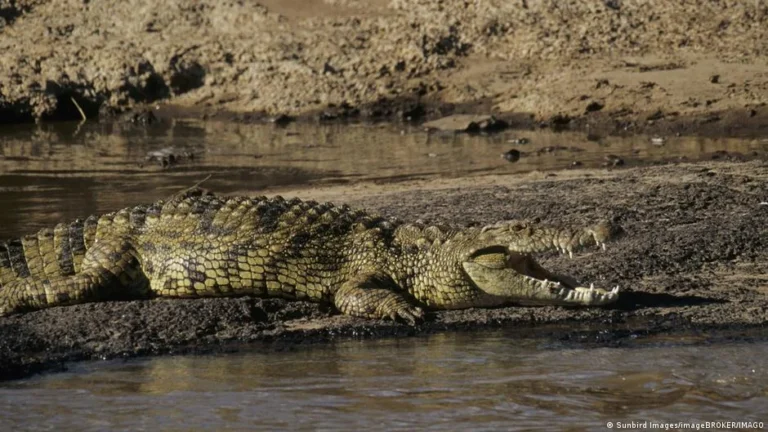
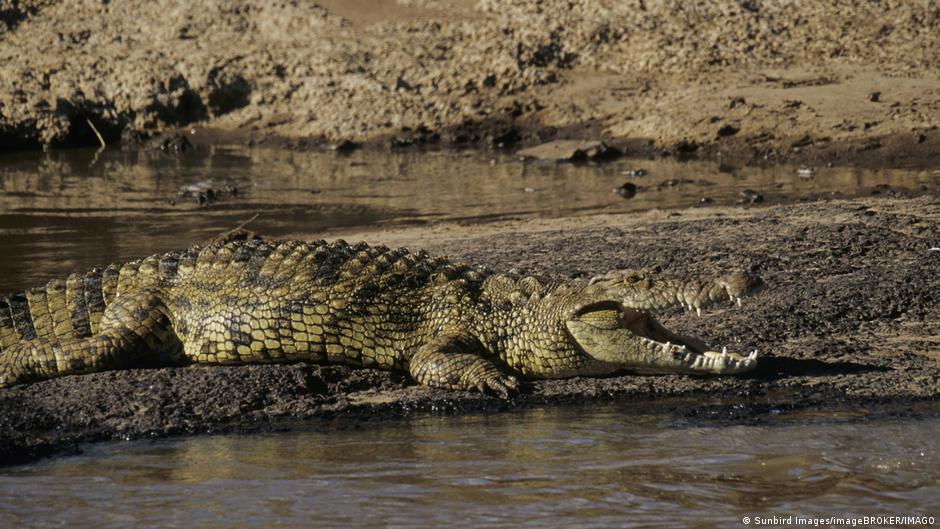
Nile crocodiles (Crocodylus niloticus) are among the largest and most formidable freshwater predators in Africa, known for their immense size, powerful jaws, and aggressive territorial behavior. Adults can reach lengths of over five meters and weigh up to 750 kilograms. They are ambush predators, capable of both swift aquatic movement and surprising bursts of speed on land over short distances. Their natural diet consists primarily of fish, birds, and mammals, and they are opportunistic hunters, not shying away from larger prey.
From a security perspective, their predatory nature and intimidating presence are seen by proponents as a potent deterrent. The mere threat of encountering such a creature could, in theory, discourage escape attempts. However, relying on an animal’s natural instincts for systematic security poses significant challenges. Crocodiles are not trainable in the same way dogs are; their behavior is largely instinctual and unpredictable. They do not distinguish between an escaping prisoner, an unsuspecting staff member, or an animal that wanders into their territory. This unpredictability raises serious questions about the safety of prison staff, maintenance workers, and even local wildlife. Furthermore, managing such large, dangerous reptiles requires highly specialized knowledge, infrastructure, and substantial ongoing resources for feeding, enclosure maintenance, and veterinary care.
"Alligator Alcatraz" and International Precedents
The reference to "Alligator Alcatraz" by Minister Ben-Gvir points to a broader, albeit rare, history of employing dangerous animals for security. While the term "Alligator Alcatraz" gained notoriety in the context of U.S. migrant detention, it typically refers to facilities, often in marshy or coastal areas, where natural features like alligator-infested swamps are perceived to contribute to the perimeter security. It is important to note that these are usually natural barriers rather than deliberately deployed animals for active security.
One notable historical example of using crocodiles for defense was in ancient Egypt, where moats surrounding temples or royal residences were sometimes stocked with crocodiles, serving both as a symbolic guardian and a practical deterrent. In more modern contexts, the use of dangerous animals for security has largely been confined to guard dogs, which are highly trainable and can be controlled. The deliberate deployment of large, untrainable, and potentially lethal predators like crocodiles in a controlled institutional setting like a prison is exceptionally rare and widely condemned by animal welfare and human rights organizations globally. Most modern security protocols prioritize human control, technology, and non-lethal deterrents.
Concerns from Environmental and Wildlife Authorities
The Israel Nature and Parks Authority (INPA), the primary body responsible for wildlife conservation in Israel, has been a vocal critic of Ben-Gvir’s proposal since its inception. Channel 13 reported that the INPA initially spoke out against the idea last year, emphasizing that wild animals should be kept only for research and educational purposes, adhering to strict ethical and ecological guidelines.
A major concern raised by the INPA revolves around the potential for escaped crocodiles to establish themselves in the Israeli wilderness. Israel has a complex and sensitive ecosystem, and the introduction of an apex predator like the Nile crocodile could have devastating consequences for native wildlife, potentially disrupting the food chain and leading to the decline of local species. The INPA has cited previous problems with bred crocodiles escaping into the wilderness, posing risks not only to human lives but also to the fragile ecological balance. For instance, in the 1990s, a crocodile farm in the Jordan Valley experienced escapes, leading to a long and costly effort to recapture the animals and ensure they had not established wild populations. These incidents underscore the very real and significant environmental risks associated with keeping such animals outside of highly secure, specialized facilities.
The Practical and Ethical Quandaries
Beyond environmental concerns, the practical implementation of a "crocodile moat" around a prison presents a myriad of challenges and raises profound ethical questions.
Practical Quandaries:
- Cost: The initial setup for secure, humane enclosures for Nile crocodiles would be enormous, including specialized fencing, water systems, climate control, and land acquisition. Ongoing costs for feeding, veterinary care, and specialized handlers would be substantial, diverting funds from other critical prison services.
- Maintenance and Safety: Maintaining a healthy and secure crocodile population is a complex task. Enclosures would need constant inspection for integrity, and any breaches could lead to catastrophic consequences. The risk to prison staff, particularly those responsible for feeding and care, is inherent.
- Effectiveness: The unpredictable nature of crocodiles means they might not always act as a reliable deterrent. They could be dormant, or their presence might be circumvented by determined escapees using various methods. Furthermore, they do not offer the precision or control of human guards or technological surveillance.
- Logistics: Where would these crocodiles be sourced? How would they be transported and acclimatized? What happens when they grow old or become ill? These are not trivial logistical considerations.
Ethical Quandaries:
- Animal Welfare: Using dangerous wild animals as security tools raises serious ethical questions about their well-being. Keeping crocodiles in an artificial environment, potentially under stressful conditions, for the sole purpose of deterring humans, may violate principles of animal welfare.
- Human Rights: Human rights organizations are likely to condemn such a measure as cruel, inhuman, or degrading punishment. The psychological impact on detainees living under the constant threat of a deadly animal could be severe. International conventions on the treatment of prisoners generally prohibit measures that cause undue suffering or psychological distress.
- Disproportionate Force: The use of lethal force, even indirectly through animals, must be proportionate to the threat. Deploying crocodiles, which are inherently lethal, as a primary deterrent could be seen as an excessive and indiscriminate use of force, potentially leading to fatalities for escape attempts that might otherwise be contained through non-lethal means.
Channel 13’s report that the idea "met with ridicule by several officers" at the Israel Prison Service suggests a significant internal skepticism regarding the practicality and wisdom of the plan. Prison officers, who deal with the day-to-day realities of correctional facilities, understand the complexities of security that extend far beyond a simple perimeter threat. Their skepticism likely stems from a realistic assessment of the operational difficulties, costs, and potential for unintended consequences.
Potential Implications: Legal, Environmental, and Human Rights
Should Ben-Gvir’s plan proceed, the implications would be far-reaching and multifaceted:
- Legal Implications: The reclassification itself might face legal challenges from environmental groups. If implemented, the IPS could face lawsuits related to animal welfare, environmental protection, and, critically, human rights, particularly concerning the treatment of prisoners under international law and Israeli jurisprudence.
- Environmental Implications: Even with stringent controls, the risk of escape remains. A breeding population of Nile crocodiles in Israel’s natural waterways could devastate local fauna, including endangered species, and pose a long-term threat to human safety in surrounding communities. The financial and logistical burden of mitigating such an ecological disaster would be immense.
- Human Rights Implications: Human rights organizations both within Israel and internationally would undoubtedly challenge the measure. The use of dangerous animals could be construed as a violation of the prohibition against cruel, inhuman, or degrading treatment or punishment, as enshrined in international human rights conventions. It could also be seen as an affront to the dignity of prisoners, regardless of their offenses.
- Reputational Implications: For Israel, a nation often scrutinized on its human rights record and treatment of Palestinian detainees, implementing such a controversial and archaic security measure could severely damage its international standing and fuel criticism regarding its correctional practices.
- Security Effectiveness: The ultimate question remains whether such a system would genuinely enhance security. Or would it merely be a symbolic gesture, a costly and dangerous spectacle that ultimately provides little practical improvement over modern, controlled security technologies and human oversight?
Broader Political Context and Public Discourse
Minister Ben-Gvir’s proposal, and the subsequent administrative action by Minister Silman, must be viewed within the broader political landscape of Israel. The current government, which includes several far-right elements, has pursued policies that are often seen as provocative and designed to appeal to a specific base. Ben-Gvir, in particular, has a history of pushing for hardline security measures and expressing skepticism about existing protocols. His vision for prison security often prioritizes punitive and deterrent aspects.
Public discourse surrounding the "crocodile plan" has been polarized. Supporters, likely aligning with Ben-Gvir’s base, may see it as an innovative and uncompromising approach to security, signaling a tough stance against those who threaten national safety. Opponents, including environmentalists, human rights activists, and many within the professional security community, view it as an impractical, unethical, and potentially dangerous endeavor. The debate reflects deeper ideological divides within Israeli society regarding security, human rights, and environmental responsibility.
The Road Ahead: Implementation Challenges and Oversight
Despite the reclassification, the path to deploying crocodiles for prison security remains fraught with challenges. The Israel Prison Service would need to formally apply for the permits, and the proposal would likely undergo extensive review by multiple government ministries, including finance, justice, and environmental protection. Each stage would present opportunities for further scrutiny, opposition, and potential legal challenges.
Any proposed implementation would necessitate detailed plans for the construction of specialized, highly secure enclosures, the acquisition and care of the animals, and comprehensive risk assessments for both staff and prisoners. Furthermore, rigorous oversight would be required to ensure compliance with animal welfare standards and international human rights obligations. The logistical, financial, and ethical hurdles are formidable, suggesting that while the possibility now exists on paper, the practical realization of a "crocodile moat" in Israel’s prisons is far from a foregone conclusion. The controversy surrounding this unique proposal is set to continue as various stakeholders weigh the perceived security benefits against the profound environmental, ethical, and human rights costs.