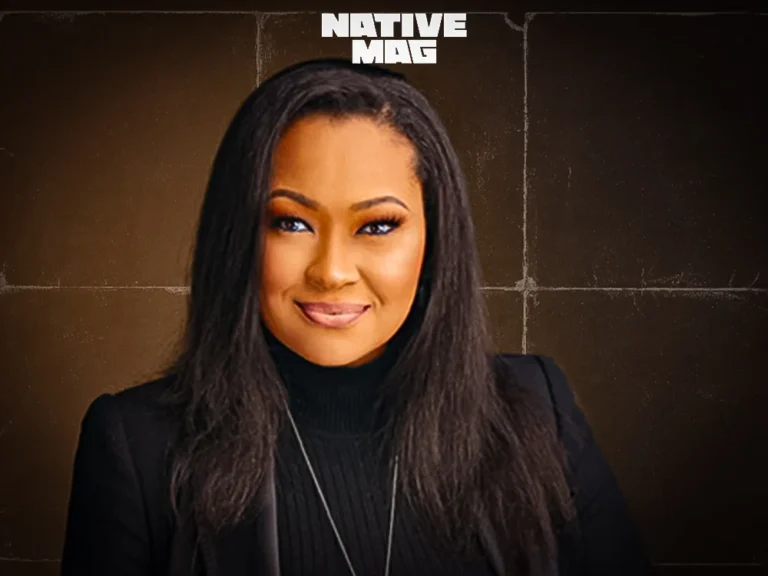
Directed by veteran journalist Kadaria Ahmed, Double Minority is a cinematic exploration of the 2023 general election cycle through the lenses of nine women who dared to contest for public office. The film features Senator Natasha Akpoti-Uduaghan, Senator Ireti Kingibe, former House of Representatives member Nnenna Elendu-Ukeje, Adeola Azeez, Simi Olusola, Hauwa Gambo, Khadijah Abdullahi Iya, Munira Suleiman Tanimu, and Joyce Daniels. These women campaigned across diverse geographies, including Kogi, Abuja, Abia, Kaduna, Niger, Ogun, Ekiti, and Edo States. While their regional contexts varied, their narratives converged on a singular, troubling reality: the Nigerian political space remains a hostile environment for female participation, characterized by a "double minority" status that marginalizes them both by gender and by their exclusion from the entrenched networks of political patronage.
The Landscape of Political Participation in the 2023 Elections
The 2023 general elections were touted as a pivotal moment for Nigeria’s democracy, yet for women, the cycle represented a significant regression. According to data from the Independent National Electoral Commission (INEC), women constituted nearly half of the registered voting population (49.8%), yet they made up just over 10 percent of the total candidates across all levels of government. This disparity is not merely a statistical anomaly but the result of a deliberate "design" within the political structure that penalizes women for their gender while simultaneously dismissing the broader populace’s agency.
The documentary’s title, Double Minority, refers to the intersectional marginalization faced by these candidates. In the Nigerian context, a woman is marginalized first by a patriarchal system built by men, for men—a system that operates on late-night caucuses, high-stakes patronage, and the approval of "godfathers." The second layer of marginalization is the collective helplessness of the Nigerian citizenry. The film argues that ordinary Nigerians are also a "double minority," ignored by a government focused on self-preservation and hindered by a learned belief that their votes and voices are inconsequential. This systemic erasure ensures that the corridors of power remain occupied by a shrinking circle of elites, leaving the majority of the population, particularly women, on the periphery.
A Chronology of Declining Representation
To understand the urgency of the issues raised in Double Minority, one must examine the historical trajectory of women in the Nigerian National Assembly. The peak of female representation was achieved nearly two decades ago.
- 2007: Nigeria reached a historical high with 36 female lawmakers in the National Assembly. This period was seen as a glimmer of hope for gender-responsive governance.
- 2011–2019: Successive election cycles saw a gradual but steady decline in the number of women winning seats, as political parties increasingly prioritized candidates with massive financial "war chests" and established male-dominated networks.
- 2022: In a major setback, the 9th National Assembly rejected five gender-related bills during a constitutional amendment vote. These bills sought to provide special seats for women, grant citizenship to foreign-born husbands of Nigerian women, and ensure affirmative action in party administration.
- 2023: The downward trend culminated in the most recent elections, where the number of women in the National Assembly crashed to just 21 out of 469 available seats. This represents a staggering 4.5% representation. Furthermore, in 15 of Nigeria’s 36 states, not a single woman was elected to the State House of Assembly.
This chronological decline highlights a systematic erasure of women from the legislative process. As the documentary illustrates, this is not due to a lack of qualified or willing female candidates, but rather a result of weaponized poverty, physical violence, and institutional gatekeeping.
Legislative Hurdles and the Gender and Equal Opportunities Bill
The struggle for representation is perhaps most visible in the legislative battles fought by political veterans like Senator Biodun Olujimi. The documentary references the long-standing fight for the Gender and Equal Opportunities (GEO) Bill, first introduced in 2015. The bill aimed to domesticate the principles of the Convention on the Elimination of All Forms of Discrimination Against Women (CEDAW) and the African Union’s Maputo Protocol.
Despite rigorous advocacy and the rallying of civil society groups, the bill has faced repeated rejection in the Senate. Opponents often cite cultural and religious "sensitivities" as grounds for dismissal. However, analysts point out that the resistance is rooted in a fundamental reluctance to alter the power dynamics that favor male incumbency. The failure to pass the GEO Bill remains a significant barrier, as it leaves women without a legal framework to challenge discriminatory practices within political parties and during elections.
Profiles in Resilience: The Nine Candidates
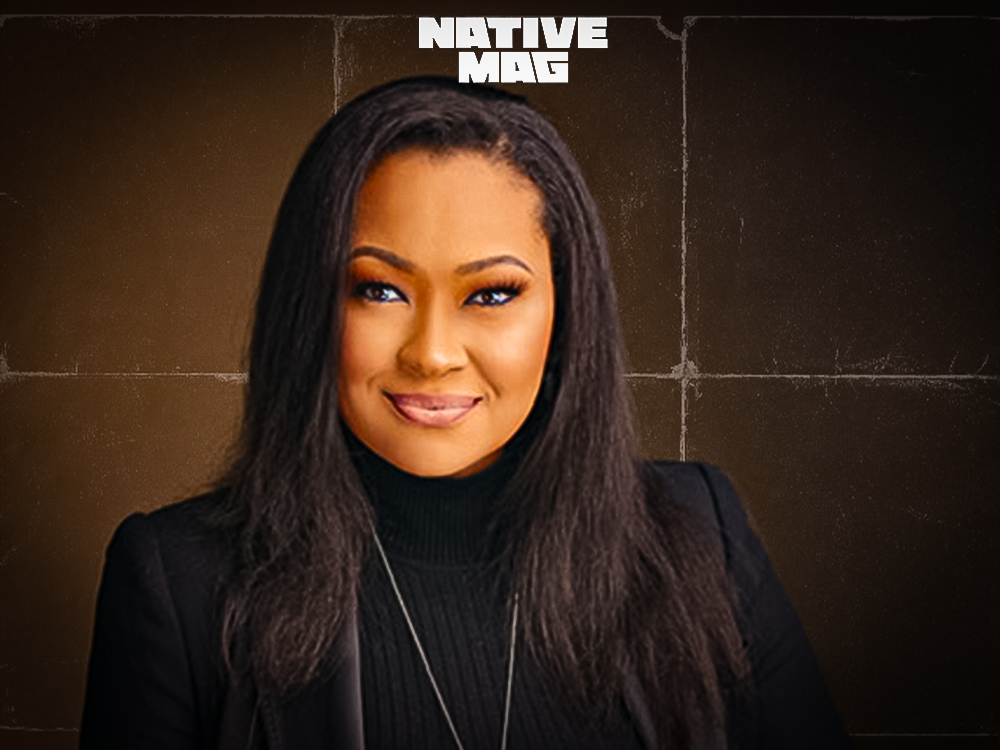
Double Minority provides an intimate look at the grit required to navigate this landscape. Hauwa Gambo, the founder of the Sheroes Rising for Development Initiative, represents the transition from advocacy to direct political action. Having spent years writing and campaigning for equity, her decision to run was a test of the theories she had long championed. Similarly, Simi Olusola emphasizes that while individual efforts are important, the government is the only institution capable of sustainable change at scale.
Senator Natasha Akpoti-Uduaghan’s journey is particularly emblematic of the legal and physical hurdles involved. After the 2023 elections, she was initially declared the loser of the Kogi Central Senatorial seat. It took a grueling legal battle through the Election Petition Tribunal and the Court of Appeal to overturn the results and prove that she had indeed won the majority of lawful votes. Her victory was a rare win against the machinery of state-level electoral interference.
The film also highlights the role of "gatekeeping." In many instances, women are encouraged to run in "fringe" parties that lack the infrastructure to win, while the major parties—the APC and PDP—often reserve their tickets for men who have "paid their dues" through years of loyalty to party hierarchies.
Institutional and Cultural Barriers
The documentary and supporting data point to several key factors that maintain the "double minority" status:
- Economic Exclusion: The high cost of nomination forms and the sheer expense of running a national campaign in Nigeria act as a filter that excludes most women, who generally have less access to capital than their male counterparts.
- Violence and Intimidation: As seen in the 2019 Lokoja incident, physical threats are a common tool used to discourage female candidates. This violence is often gendered, involving character assassination and threats to family members.
- Societal Expectations: There remains a pervasive cultural narrative that views politics as "dirty" or unsuitable for "respectable" women. This narrative is frequently reinforced by religious and traditional leaders who serve as the unofficial gatekeepers of political support in rural and semi-urban areas.
- Security Indifference: The film highlights a recurring theme where security agencies fail to protect female candidates from harassment, often acting as passive observers or, in some cases, enablers of the status quo.
Broader Impact and the Path to 2027
The implications of excluding women from governance are profound. Research consistently shows that female legislators are more likely to introduce bills related to education, healthcare, and social welfare—areas that are currently in crisis in Nigeria. By designing women out of the room, the Nigerian political system effectively ignores the perspectives of half its population, leading to policy gaps that exacerbate national instability.
The message of Double Minority is a call to action that transcends gender. As Senator Akpoti-Uduaghan notes in the film, "When a woman stands up for herself… she stands up for every woman, every man, for every child in the society." Political participation is framed not as a personal ambition but as a collective necessity.
As Nigeria looks toward the 2027 general elections, the documentary serves as a record of the current state of the democracy. It challenges the "learned helplessness" of the electorate and urges a shift from viewing voting as a luxury to viewing it as a decisive practice of power. The scale of change starts with the recognition that the current system is not an accident of history but a result of specific choices. The question posed to the viewer is whether they will remain passive as the next election cycle approaches, or if they will join the effort to dismantle the structures that have made "double minorities" of so many Nigerian citizens.