Nigerian Afrobeat powerhouse Kizz Daniel has once again captured the attention of the global music community with the official release of his latest single, titled “Te Amo.” Known for his consistent delivery of chart-topping hits and his ability to seamlessly blend contemporary African rhythms with diverse global influences, the singer-songwriter has elevated his artistic scope on this new project. For “Te Amo,” Kizz Daniel joins forces with Ghanaian dancehall titan Shatta Wale, creating a high-profile cross-border collaboration that bridges West Africa’s most dominant musical powerhouses. The track, which has quickly generated significant buzz across digital streaming platforms and social media channels, showcases a dynamic sonic architecture defined by intricate melodic structures, infectious rhythms, and polished vocal performances from both artists.
The release of “Te Amo” represents more than just a standard single drop; it serves as a testament to the ongoing evolution of African popular music and the increasing frequency of high-profile collaborations between Nigerian and Ghanaian artists. Historically, musical exchanges between Nigeria and Ghana have yielded some of the most influential records in the continent’s modern history. By bringing together Kizz Daniel, a leading figure in the global exportation of Afrobeats, and Shatta Wale, a dominant force in African dancehall and reggae, “Te Amo” positions itself as a culturally significant release designed to resonate with audiences far beyond the borders of West Africa.
Detailed Musical Composition and Production Analysis
From a technical standpoint, “Te Amo” is a masterclass in modern African music production, balancing complex instrumental arrangements with commercial accessibility. The song is built upon a pleasant and richly textured instrumental bed that acts as a cohesive foundation for the various stylistic elements introduced throughout the track. Producers involved in the project meticulously crafted a rhythmic framework that supports, rather than overshadows, the distinct vocal textures of both Kizz Daniel and Shatta Wale.
The rhythm section features a warm, pulsing low end complemented by crisp percussion that bridges the gap between mid-tempo Afrobeats and contemporary dancehall grooves. Subtle melodic accents, ranging from atmospheric synthesizer pads to rhythmic guitar licks, weave through the instrumental, providing depth and preventing the arrangement from becoming stagnant. This thoughtful production approach allows each section of the song to flow seamlessly into the next, ensuring a smooth and immersive listening experience.
Kizz Daniel approaches the track with his signature vocal agility. Known for his effortless transitions between smooth falsettos and grounded mid-range delivery, he establishes the tonal core of the song. His vocal execution is characterized by a relaxed confidence, maintaining precise pitch and melodic control over the intricate beat. The lyrics, while maintaining a commercially viable appeal, are delivered with a lyrical sincerity that enhances the emotional resonance of the track.
Shatta Wale’s contribution introduces a contrasting yet complementary texture to the recording. Bringing his distinct dancehall cadence and energetic delivery style to the forefront, the Ghanaian artist injects a raw, dynamic edge into the composition. Rather than disrupting the smooth aesthetic established by Kizz Daniel, Shatta Wale adapts his vocal approach to fit the melodic sensibilities of the song, resulting in a balanced duet where both performers elevate one another’s output. The interplay between Kizz Daniel’s smooth, laid-back cadence and Shatta Wale’s more aggressive, rhythm-driven delivery creates a captivating dynamic that keeps the listener engaged from the opening bars to the final fade-out.
Background Context and Artist Trajectories
To fully appreciate the significance of “Te Amo,” one must examine the respective trajectories of Kizz Daniel and Shatta Wale within the contemporary African music landscape. Kizz Daniel, born Oluwatobiloba Daniel Anidugbe, has built an illustrious career characterized by relentless consistency and a string of critically acclaimed projects. Emerging onto the mainstream scene in 2014 with his breakout single “Woju,” he quickly established himself as a formidable songwriter and vocalist who relies on artistic substance rather than fleeting gimmicks.
Over the past decade, Kizz Daniel has evolved from a domestic chart-topper into a globally recognized ambassador of African music. His ability to craft viral phenomena is well-documented, most notably with the global smash hit “Buga,” which transcended language and cultural barriers to become an international anthem of celebration and resilience. Subsequent releases, including songs from his various extended plays and studio albums, have continually reinforced his reputation as an artist capable of adapting to changing musical tides while maintaining his core identity. “Te Amo” arrives as a continuation of this artistic progression, demonstrating his willingness to explore new collaborative spaces and international sonic palettes.
On the other hand, Shatta Wale, born Charles Nii Armah Mensah Jr., stands as one of the most polarizing and influential figures in African dancehall history. Based in Accra, Ghana, Shatta Wale has cultivated a massive, fiercely loyal fanbase known as the Shatta Movement. With a prolific output spanning hundreds of songs, mixtapes, and albums, he has consistently championed Caribbean-influenced sounds within the African context, earning numerous accolades and cementing his status as a dancehall kingpin.
Shatta Wale’s international footprint was significantly expanded through high-profile collaborations, most notably his feature on American pop star Beyoncé’s critically acclaimed visual album The Lion King: The Gift (2019), specifically on the track “Already.” This global exposure, combined with his domestic dominance in Ghana, has kept him at the forefront of African popular music discourse. The partnership between Kizz Daniel and Shatta Wale on “Te Amo” brings together two distinct artistic ideologies—the refined, melodic precision of Nigerian Afrobeats and the raw, unadulterated energy of Ghanaian dancehall—resulting in a cross-cultural dialogue that highlights the unity within the broader West African music ecosystem.
Chronology and Promotional Rollout
The release of “Te Amo” was preceded by a carefully calculated promotional rollout designed to maximize audience anticipation across digital and traditional media landscapes. In an era where the consumption of music is heavily driven by social media engagement and short-form video content, artists and their management teams rely on strategic teaser campaigns to build momentum prior to an official drop.
Initial hints regarding the collaboration began circulating on social media platforms several weeks before the release date, when behind-the-scenes studio footage and cryptic posts surfaced from accounts associated with both artists. Music industry analysts and fan communities quickly picked up on the potential partnership, sparking widespread speculation across platforms like X (formerly Twitter), Instagram, and TikTok. The prospect of a Kizz Daniel and Shatta Wale collaboration generated immediate interest, as the two artists had not frequently crossed paths on commercial releases of this scale.
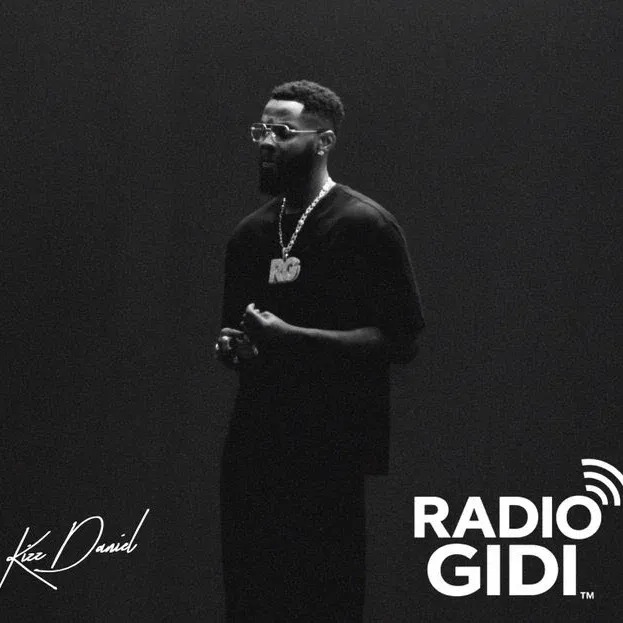
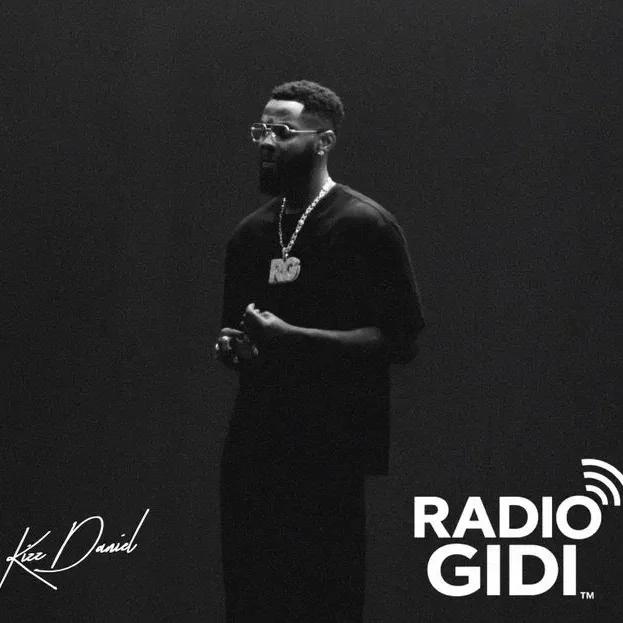
As the release date approached, official audio snippets and promotional artwork were shared across digital storefronts and streaming services, allowing fans to pre-save the track. Upon its official midnight release, “Te Amo” was made available simultaneously across major digital service providers, including Spotify, Apple Music, YouTube Music, and Audiomack. Accompanying lyric videos and subsequent promotional pushes helped cement the song’s presence on major editorial playlists, signaling strong support from streaming platform curators who recognized the commercial and cultural viability of the cross-border pairing.
The strategic timing of the release also aligns with the broader calendar of the African music industry, which sees heightened listener engagement during peak holiday and festival seasons. By delivering a versatile record that fits multiple listening environments—ranging from high-energy club settings to relaxed personal listening scenarios—the artists and their production teams positioned the single for sustained longevity on charts across Nigeria, Ghana, and the wider diaspora.
Fact-Based Analysis of Market Implications and Industry Impact
The release of “Te Amo” carries several notable implications for the West African music industry and the broader global push for African sounds. As Afrobeats and related genres continue to capture international market share, collaboration across national boundaries within the continent has emerged as a crucial driver of sustainable growth.
Historically, the music markets of Nigeria and Ghana have shared a symbiotic yet occasionally competitive relationship. While artistic exchanges have always occurred, logistical barriers, differing industry infrastructures, and regional marketing strategies have sometimes limited the frequency of high-profile collaborative projects between top-tier acts from both countries. However, the advent of digital streaming platforms and borderless social media marketing has dismantled many of these traditional barriers. Releases like “Te Amo” serve to strengthen the economic and cultural ties between the two creative hubs, demonstrating that cross-border partnerships can yield commercially viable products that appeal to pan-African audiences.
Furthermore, the stylistic fusion present in “Te Amo” highlights the porous nature of musical genres in the modern era. By blending elements of Afrobeats, rhythm and blues, and dancehall, Kizz Daniel and Shatta Wale are catering to a sophisticated global audience that increasingly demands hybrid sounds. Listeners in Western markets, who are driving much of the current consumption growth for African music, often respond positively to tracks that bridge different sub-genres and regional traditions within the continent.
From a commercial perspective, the single is positioned to perform well across multiple metrics. Kizz Daniel’s established streaming dominance, combined with Shatta Wale’s robust grassroots and international fanbase, creates a dual-market advantage. This synergy ensures that the track receives immediate traction in both Nigeria and Ghana, while also penetrating diasporic communities in the United Kingdom, the United States, and Europe where both artists maintain dedicated followings.
Industry analysts suggest that the success of collaborative efforts like “Te Amo” will encourage other major African artists to look beyond their domestic markets when conceptualizing new projects. By pooling fanbases and creative resources, artists can mitigate the risks associated with standalone releases while simultaneously expanding their demographic reach.
Listener Reception and Societal Resonance
In the days following its release, “Te Amo” has elicited largely positive responses from music critics, industry insiders, and the general public. Social media platforms have been flooded with fan reactions, user-generated dance videos, and lyrical breakdowns, indicating that the song has successfully struck a chord with its intended audience.
Listeners have frequently highlighted the smoothness of the production and the unexpected yet harmonious chemistry between Kizz Daniel and Shatta Wale. While some initial commentators expressed curiosity regarding how Kizz Daniel’s laid-back, melodic approach would merge with Shatta Wale’s aggressive dancehall style, the consensus among reviewers is that the contrast works to the track’s distinct advantage. The ability to surprise listeners while delivering a catchy, highly repeatable chorus is often cited as a key factor in the song’s early traction.
Beyond its immediate entertainment value, the track reflects the evolving tastes of contemporary African youth culture, which values diversity, artistic experimentation, and continental unity. In a broader socio-cultural context, music continues to serve as one of the most effective instruments for cultural diplomacy and regional integration in West Africa. When high-profile artists from different nations collaborate seamlessly on a creative endeavor, it fosters a sense of shared identity and mutual respect among their respective populations.
Conclusion and Future Outlook
“Te Amo” stands as a compelling entry in the respective discographies of both Kizz Daniel and Shatta Wale. By uniting two of West Africa’s most distinct and influential musical voices, the track delivers on the high expectations set by its pre-release campaign. Through a sophisticated blend of thoughtful production, dynamic vocal delivery, and strategic cross-border collaboration, the single reinforces the ongoing vitality and global ambitions of contemporary African music.
As the promotional cycle for “Te Amo” continues to unfold, industry observers will be monitoring its chart performance, streaming milestones, and potential accompanying visual releases. Whether the song achieves the record-breaking status of some of Kizz Daniel’s previous viral hits remains to be seen; however, its immediate impact clearly demonstrates the enduring power of strong songwriting, quality production, and strategic artistic unity within the global music ecosystem.