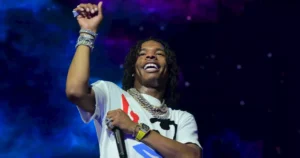
The contemporary landscape of the Ghanaian music industry is frequently characterized by a relentless, high-pressure release cycle. Driven by the rapid consumption habits of digital platforms and social media applications like TikTok, artists often feel compelled to flood the market with constant singles to maintain public attention. However, award-winning singer-songwriter Kuami Eugene is signaling a strategic departure from this frantic pace. In a recent media engagement that has sparked widespread discussion across the West African entertainment ecosystem, the "Angela" hitmaker revealed that he is actively praying to attain the enviable level of lasting influence currently enjoyed by dancehall icon Shatta Wale—a status where an artist commands enduring relevance and cultural impact without the constant obligation of dropping new music.
Speaking on Pluzz FM on November 5, the highlife and Afrobeats luminary elaborated on how a combination of steady royalties, publishing income, and lucrative private investments has afforded him the luxury to decelerate. Rather than succumbing to the panic of algorithmic relevance, Kuami Eugene explained that his current financial standing allows him to test the true loyalty of his fan base by introducing deliberate, extended gaps between his official music releases.
Main Facts and the Pluzz FM Revelation
During his appearance on Pluzz FM, which was subsequently amplified across digital spaces by media outlets such as Pulse Ghana and GhanaWeb, Kuami Eugene provided a candid look into the evolution of his mindset regarding success and career longevity. A video clip originally shared by Pluzz 89.9 FM on the social media platform X captured the artist articulating his career aspirations clearly. He stated that he desires the kind of sustained legacy where "you don’t have to do much" to stay at the top of the cultural conversation.
The core of Kuami Eugene’s new strategy relies on financial independence. He noted that money is no longer the primary driver dictating his daily artistic output. Consistent monthly inflows from music royalties, international publishing checks, and a portfolio of paying investments have fundamentally altered how he measures professional achievement. This economic cushion gives him the creative freedom to step back from the hyper-competitive race of trend-chasing and focus entirely on the architectural strength of his long-term career.
Shifting Release Calendars and Testing Fan Loyalty
This philosophical shift is already translating into practical changes regarding how the singer manages his discography. Following the release of his latest single, "Stranger," Kuami Eugene has elected to intentionally hold back on rushing his next major project. Instead of immediately feeding the digital timeline with follow-up tracks to appease the fleeting attention spans often cultivated by platforms like TikTok, he views the hiatus as a litmus test for his audience.
The artist wants to observe whether his listeners will actively carry "that Kuami Eugene love" through extended periods of silence. In the interview, he confidently remarked that he could easily choose to withhold new material until March of the following year, expressing firm trust that his core audience—sustained by divine grace—will patiently await his next artistic offering. Rather than seeing this gap as a commercial risk, he interprets it as a mature exercise in audience retention and brand strength.
Chronology of Kuami Eugene’s Ascent to Industry Heavyweight
To understand the weight of Kuami Eugene’s recent statements, it is essential to examine the trajectory that brought him to this juncture. Born Eugene Kwame Marfo, the artist’s journey in the Ghanaian music industry is a classic narrative of raw talent meeting rigorous development.
Emerging as a contestant on the reality television show MTN Hitmaker in 2016, where he finished third, Kuami Eugene quickly caught the attention of Lynx Entertainment, one of Ghana’s premier record labels. Under the stewardship of Richie Mensah, the young musician rapidly transitioned from a promising prospect to a dominant force in contemporary African pop music.
By 2017, he captured national attention with the release of "Angela," a romantic highlife track that became an omnipresent anthem across Ghana and the wider diaspora. This breakout success was followed by a relentless string of chart-topping hits, including "Confusion," "Wish Me Well," "Obiaato," and "Dollar." His ability to seamlessly blend traditional Ghanaian highlife rhythms with modern Afrobeats sensibilities earned him widespread critical acclaim and massive commercial appeal.
The culmination of his early career momentum arrived in 2020 when he was crowned the Artiste of the Year at the prestigious Vodafone Ghana Music Awards (VGMA), the highest honor in the country’s music sector. Over the ensuing years, he expanded his footprint through high-profile collaborations with continental heavyweights such as Davido, Sarkodie, Stonebwoy, and Samini, while also serving as a prolific songwriter and producer for numerous other acts.

Using a scholarly metaphor during his recent media run, the singer compared his professional journey to the structured progression of university life. He noted that he has successfully navigated the foundational years and now views himself as operating at "Level 400"—the final year of undergraduate study—implying that he is on the verge of graduating into an elite tier of legacy artists who transcend temporary chart battles.
Supporting Data and the Economics of Music Catalogs
Kuami Eugene’s perspective sheds light on a broader economic conversation happening within the global and African music industries regarding the shift from active performance and single-driven income to passive catalogue monetization.
In recent years, African artists have gained significantly better access to structured royalty collection through organizations like the Ghana Music Rights Organization (GHAMRO), as well as international digital distributors and publishing administrators. While historically, African musicians relied almost exclusively on live performance fees, brand endorsements, and physical sales, the digital revolution has turned streaming revenues and global publishing into reliable, recurring streams of passive income.
Industry analysts point out that artists who build substantial catalogues of timeless hits—such as Shatta Wale, Sarkodie, and highlife legends before them—eventually reach a financial tipping point. At this stage, the continuous collection of mechanical and performance royalties from radio, television, public spaces, and digital streaming platforms generates enough capital to sustain their lifestyles and operations without the frantic pressure of releasing new music every few months. By recognizing this economic reality early in his career, Kuami Eugene is positioning himself to build a sustainable enterprise rather than remaining trapped on the digital treadmill.
Official Responses and Public Reactions
The reaction from the music community, industry pundits, and fans to Kuami Eugene’s comments has been largely supportive, though it has also reignited debates about the different paths to longevity in African popular music.
Shatta Wale, a towering figure in Ghanaian dancehall known for his fiercely loyal fan base (the Shatta Movement) and his own distinct blueprint of maintaining dominance without constant traditional promotion, has long advocated for artists to secure their financial futures and demand better structures within the local industry. While Shatta Wale himself has often maintained a hyper-active release schedule fueled by his prolific work ethic, his ability to command the cultural zeitgeist even during periods of relative musical quiet has made him a benchmark for staying power.
Commentators on platforms like Pluzz FM, GhanaWeb, and various social media channels have debated the feasibility of Kuami Eugene’s strategy for younger acts. While established heavyweights with deep catalogues can afford to step back, industry analysts caution that emerging artists without a massive backlog of hits might struggle to retain market share if they attempt lengthy hiatuses in an ecosystem dominated by algorithms and rapid content consumption. However, given Kuami Eugene’s extensive hit-list accumulated over nearly a decade, most observers agree that his catalog is robust enough to sustain public interest during his planned breaks.
Broader Impact and Strategic Implications for the Ghanaian Music Scene
Kuami Eugene’s public declaration marks a potential turning point in how contemporary Ghanaian artists view career pacing and mental well-being. For years, the entertainment press and consumer base have pressured musicians to maintain a relentless output of music, often leading to creative burnout, diminished quality control, and physical exhaustion.
By openly discussing the psychological and financial transition from relentless hustling to strategic catalogue harvesting, Kuami Eugene is normalizing a healthier, more corporate approach to artistry in West Africa. This shift aligns with global trends where superstar acts increasingly treat their music catalogues as long-term financial assets, sometimes opting for multi-million-dollar publishing catalog sales or focusing on high-impact, event-driven projects rather than continuous single drops.
Furthermore, his explicit nod to Shatta Wale bridges a perceived stylistic divide between the highlife/Afrobeats pop scene and the dancehall fraternity, demonstrating mutual respect across genres regarding what it takes to build a permanent institution in Ghanaian entertainment. As major artists increasingly prioritize financial literacy, publishing rights, and diversified investments, the traditional narrative of the struggling African musician is steadily being rewritten.
Ultimately, Kuami Eugene’s calculated pause serves as a fascinating case study in modern music business strategy. As the industry watches to see how his upcoming release calendar unfolds and whether his fan base maintains its fervor through the planned silence, the singer remains focused on his ultimate objective: cementing a legacy that endures long after the digital noise has faded.